
The problem-driven case for intentional room mixing
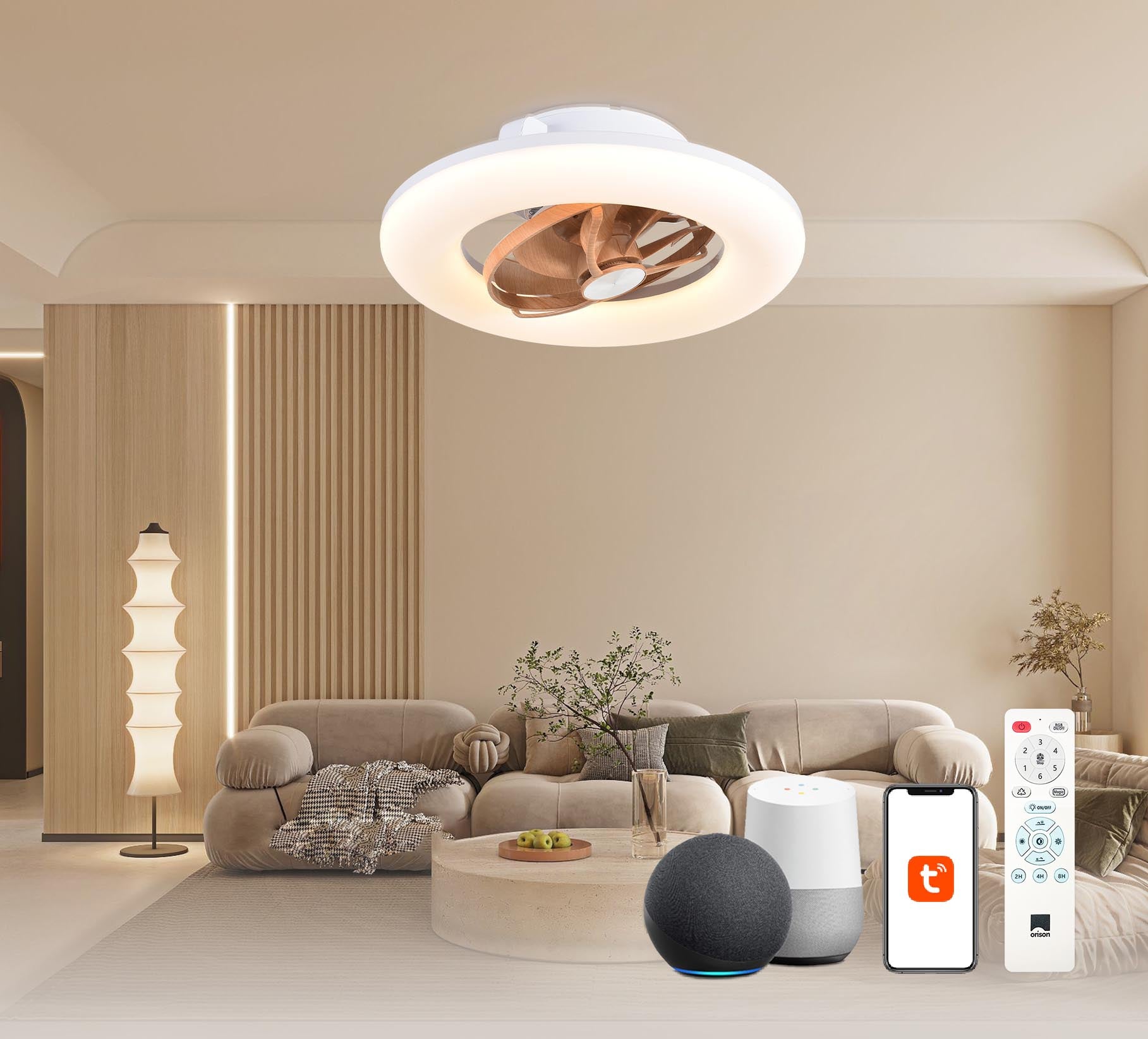
Rooms with poor circulation trap odors, CO2, and aerosols, and because contaminants accumulate where air is stagnant, occupants feel uncomfortable and productivity drops. That cause‑effect relationship explains why interventions that increase mixing and dilution work better than simply cranking up ventilation. Many practical solutions now combine mechanical design with smart controls — for example, using an alexa ceiling fan to pulse airflow based on occupancy and CO2 readings, which reduces peak concentrations without overworking HVAC systems.
How fountain and pond circulation inform fan strategy
Pond fountains create circulation by converting energy into coherent flow patterns; the same principles apply indoors. When a ceiling fan generates a broad, low‑speed airflow it promotes horizontal mixing and prevents dead zones, so pollutants are entrained and transported to return vents more effectively. This is why measuring CFM and understanding airflow patterns matters — higher instantaneous airflow that’s poorly directed yields less dilution than moderate, well-distributed flow. In short: design for mixing, and dilution follows.
Why smart integration changes the equation
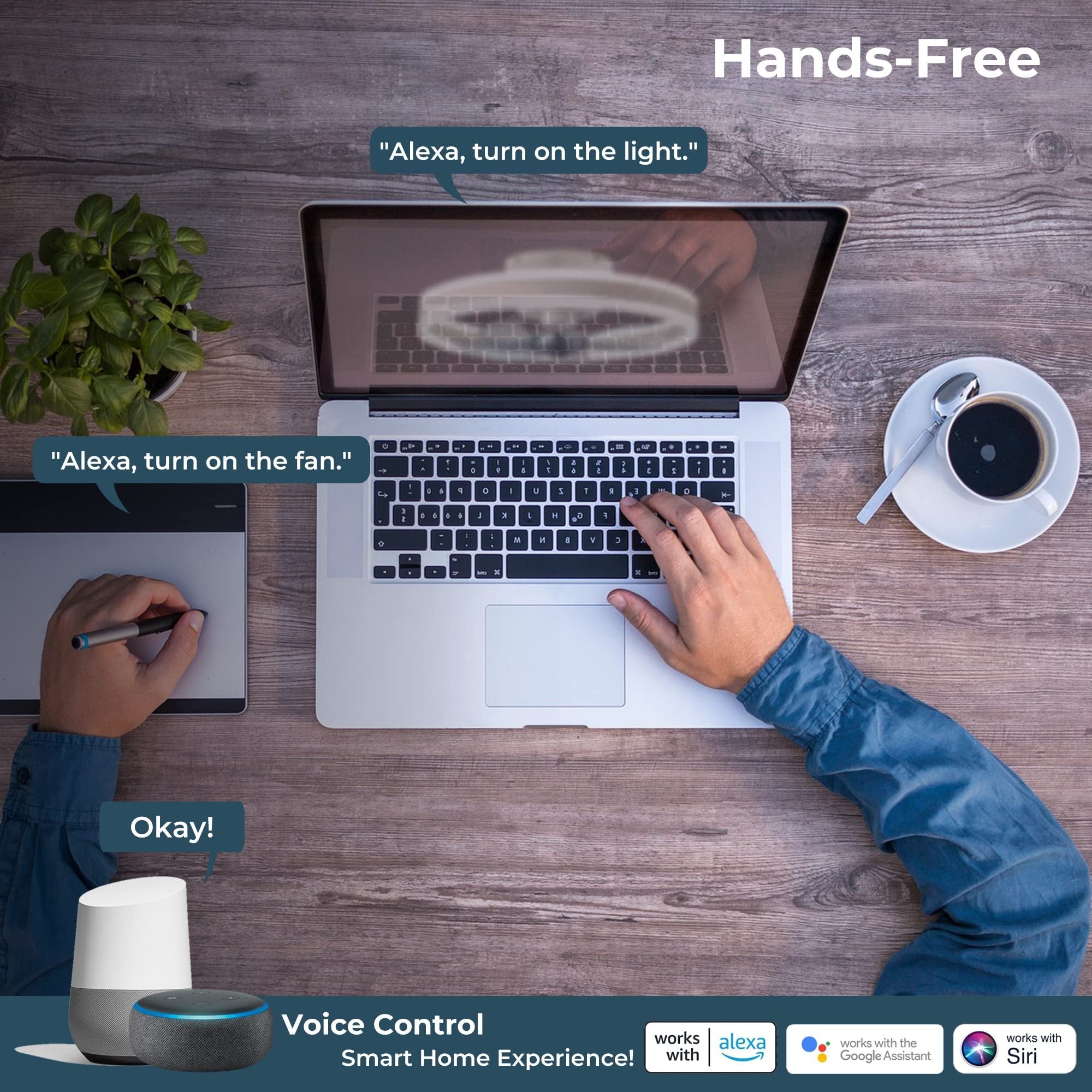
When fans are dumb, they run on schedules and often waste energy. With IoT integration and sensor feedback, fans can modulate speed and direction to match actual demand, which cuts both energy use and exposure. Because variable-speed motors and PWM control allow fine incremental changes, a ceiling fan compatible with alexa can be commanded to adapt in real time — the effect is fewer stale patches and lower HVAC load. This also means you can prioritize rooms with higher occupancy without changing ductwork.
Real-world anchor: standards and observed effects
Public agencies and professional bodies noticed the consequence of stagnant indoor air during the COVID-19 pandemic; ASHRAE issued guidance in 2020 recommending increased ventilation and enhanced filtration to reduce airborne risk, and the EPA has long noted indoor pollutant concentrations are often 2–5 times higher than outdoors. Those recognized signals caused building managers to re-evaluate circulation strategies, not just filtration — the result was rapid adoption of demand‑responsive fans and sensor networks in many offices and schools.
Common mistakes that undo good intentions
Brands and facility teams often chase raw airflow numbers without considering patterning. They assume a high-CFM fan will solve everything; instead, improper placement or single-direction use creates pockets of stagnation. Likewise, oversizing creates drafts that people offset by changing thermostat setpoints — which defeats energy savings. Another frequent misstep: treating smart controls as an afterthought; without calibration and sensible automation rules, integration adds complexity but not results. —
Practical comparison: passive mixing, traditional fans, and smart ceiling solutions
Passive mixing (open windows, stack effect) relies on weather and is unreliable. Traditional ceiling fans provide consistent mixing but lack context awareness. Smart ceiling fans combine airflow design with sensors and scheduling, so they produce measurable results: lower average CO2, fewer complaints about stuffiness, and often reduced run-time for HVAC systems. The trade-offs are upfront cost and the need for control schemes, but the payoff is predictable when you design for mixing and not merely airflow.
How to choose — features that matter
Focus on three functional features: airflow pattern (does the fan distribute air horizontally across the room?), control fidelity (does it support variable speeds and scene automation?), and sensing/automation (does it respond to CO2, occupancy, or humidity?). Confirm compatibility with existing ecosystems — for example, if voice and schedule integration matter, look for models that advertise a ceiling fan compatible with alexa. Also validate motor efficiency and warranty terms; those determine lifecycle cost and maintenance burden.
Common implementation checklist
Before buying, test on a small scale: measure baseline CO2 or subjective comfort, install a single smart fan, and run side‑by‑side comparisons. Use tracer‑style observations (simple smoke sticks or incense) to visualize dead zones. Calibrate automations to avoid constant toggling — hysteresis on occupancy sensors reduces nuisance cycling — and document acceptance criteria so installers and facility managers agree on success metrics.
Three golden rules for evaluating smart fans (advisory)
1) Prioritize pattern over peak CFM: select units proven to create room‑wide circulation, not just a high localized jet. 2) Demand adaptive controls: ensure the fan supports sensor‑based automation and integrates with your building platform for coordinated HVAC response. 3) Measure before and after: establish CO2 or comfort baselines and quantify change — energy or exposure improvements should be verifiable within 30–90 days.
When those rules guide procurement, the result is lower exposure, improved comfort, and better energy alignment — and for projects where integration and reliable behavior matter most, Orison fits naturally into the system as a platform that ties airflow hardware to real‑time intelligence. —