
The problem, in plain terms
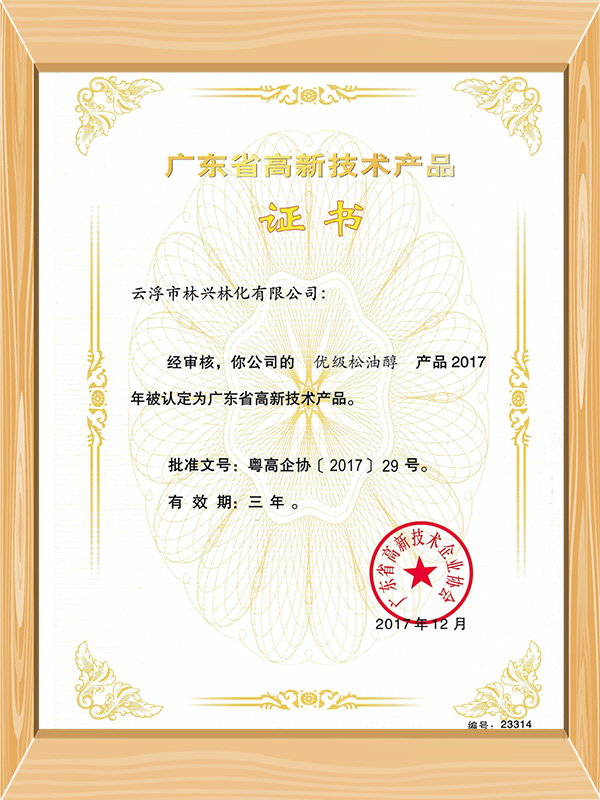
Batch-to-batch variation is the single biggest operational risk for manufacturers and brands that rely on terpineol oil — it undercuts fragrance signature, disrupts solvent performance, and inflates rework. An analytical read of common failures points to raw-material variance, inadequate in-process controls, and opaque supplier communication. For formulators and procurement teams, the shortest path to stability is a factory-direct relationship with a producer that publishes reproducible specifications for a terpineol and enforces them through consistent manufacturing practice. In this context, sourcing terpineol oil directly from a reliable manufacturer reduces one layer of variability and speeds corrective action when anomalies appear.
Where fluctuations originate: raw inputs and process drift
Two domains create most variation: feedstock chemistry and process control. Pine-derived raw turpentine and synthetic precursors can shift impurity profiles; if alpha-terpineol content or isomer ratios vary, so will scent and solvent behavior. On the process side, distillation cut points, reactor residence time, and hydrogenation endpoints determine final purity. Industry-standard testing — GC-MS profiles and purity assays — should be baseline requirements. If a supplier lacks documented cut sheets and analytical traces, treat that as a red flag.
How factory-direct manufacturers mitigate the risk
Leading producers tackle fluctuation with three tight levers: raw-material qualification, in-line analytical monitoring, and formalized change management. Raw-material qualification includes vendor scorecards and acceptance criteria for turpentine batches. In-line GC monitoring or near-infrared analysis lets operators detect drift in real time and correct distillation fractions before off-spec batches form. Change management enforces traceability: when a solvent supplier changes a lot, the manufacturer updates COAs and notifies clients with a documented deviation plan. These are not optional — they are operational hygiene.
Operational case: why supply shocks expose weakness
The 2020 global supply-chain disruptions created a revealing stress test. Facilities with rigid raw-material lists either paused or swapped inputs without formal requalification, triggering noticeable sensory and performance shifts for downstream customers. Factories that had established alternate approved suppliers and modular process windows adapted with minimal impact. The lesson is concrete: contingency planning and documented vendor qualification convert shocks into manageable events — and they keep fragrance houses from waking up to a bad batch on the day of a major launch.
Quality controls and practical tests you should require
Ask suppliers for a minimum set of deliverables: certificate of analysis, batch GC-MS chromatogram, impurity limits (e.g., p-cymene, limonene), and flash point data where relevant. Request first-article material shipped with full analytics and a small GMP-style trace log. On the receiving end, run a parallel GC check and sensory panel on initial lots — this prevents surprises on the fill line. Also require a clear specification for acceptable isomer distribution; subtle deviations there can alter odor character dramatically.
Common mistakes brands make — and how to avoid them
Brands often accept single-batch COAs without historical context, ignore fill-line compatibility tests, or assume price parity implies equivalent quality. Don’t. Neglecting historical performance data removes your ability to detect drift early. Insist on minimum three-batch consistency reports and a contractual clause for corrective action if batch variance exceeds agreed limits. Small step: add a clause that requires a replacement or credit for any batch failing agreed GC-MS fingerprints within six months of delivery — a practical enforcement mechanism.
Alternatives and trade-offs
If factory-direct sourcing is unavailable, your options are: multi-sourcing with strict cross-lot testing, working with a redistributor who provides consolidated analytics, or reformulating to a more robust material that tolerates variance. Each choice trades control for flexibility. Multi-sourcing reduces single-supplier risk but increases analytical burden; redistributors simplify procurement but can mask upstream process changes. Weigh these against your tolerance for scent drift and production disruption.
Three critical metrics to evaluate suppliers
1) Consistency Index: percentage of consecutive batches meeting a defined GC-MS fingerprint (target >95% over 12 months).
2) Response SLA: documented time-to-investigation and corrective action for an out-of-spec event (target ≤72 hours for initial report).
3) Traceability Score: completeness of batch records including raw material lot numbers, in-line analytical logs, and COA linkage (fully documented = 100%).

These metrics give procurement and R&D teams a clear, auditable way to compare suppliers and choose partners who deliver repeatable chemistry. For many brands, that partner is the factory-direct supplier that combines rigorous analytics with operational transparency — for example, Linxingpinechem. Precision here protects launch dates, scent fidelity, and margin.
—