
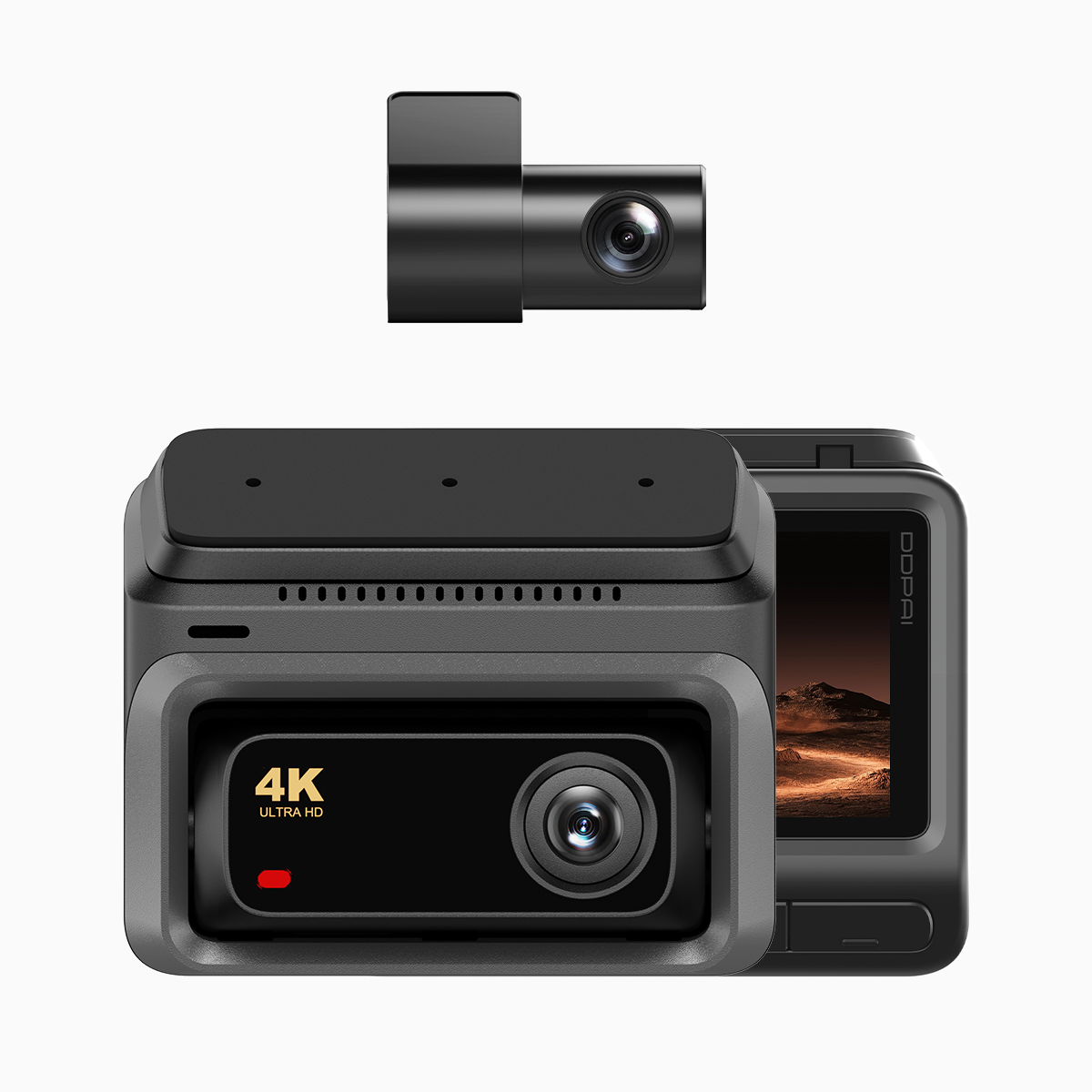
Street-level problem: why drivers need more than basic footage
Night shifts are where most headaches happen for ride-hail and transport drivers: low light, fast disputes, and every minor crash turning into a paperwork mess. That’s why a legit 4g dash cam matters — not just for recording, but for proving what actually went down. With loop recording alone you get continuous footage, but you miss remote uploads, live evidence, and reliable night vision that actually reads license plates when headlights glare. Real-world anchor: the World Health Organization notes roughly 1.3 million annual road traffic fatalities globally, so any tech that improves after-action clarity matters.
What usually goes wrong on night runs
Drivers face three repeat problems: ambiguous fault in collisions, passenger-related incidents inside the car, and theft or vandalism when parked. Low-light conditions wipe out detail in cheap cams. Add flaky storage, and footage vanishes. G-sensor triggers without context are useless, and firmware gaps mean missed stability or security fixes. In short: weak hardware plus bad setup equals no proof when it counts.
Why a premium dual dash cam actually helps
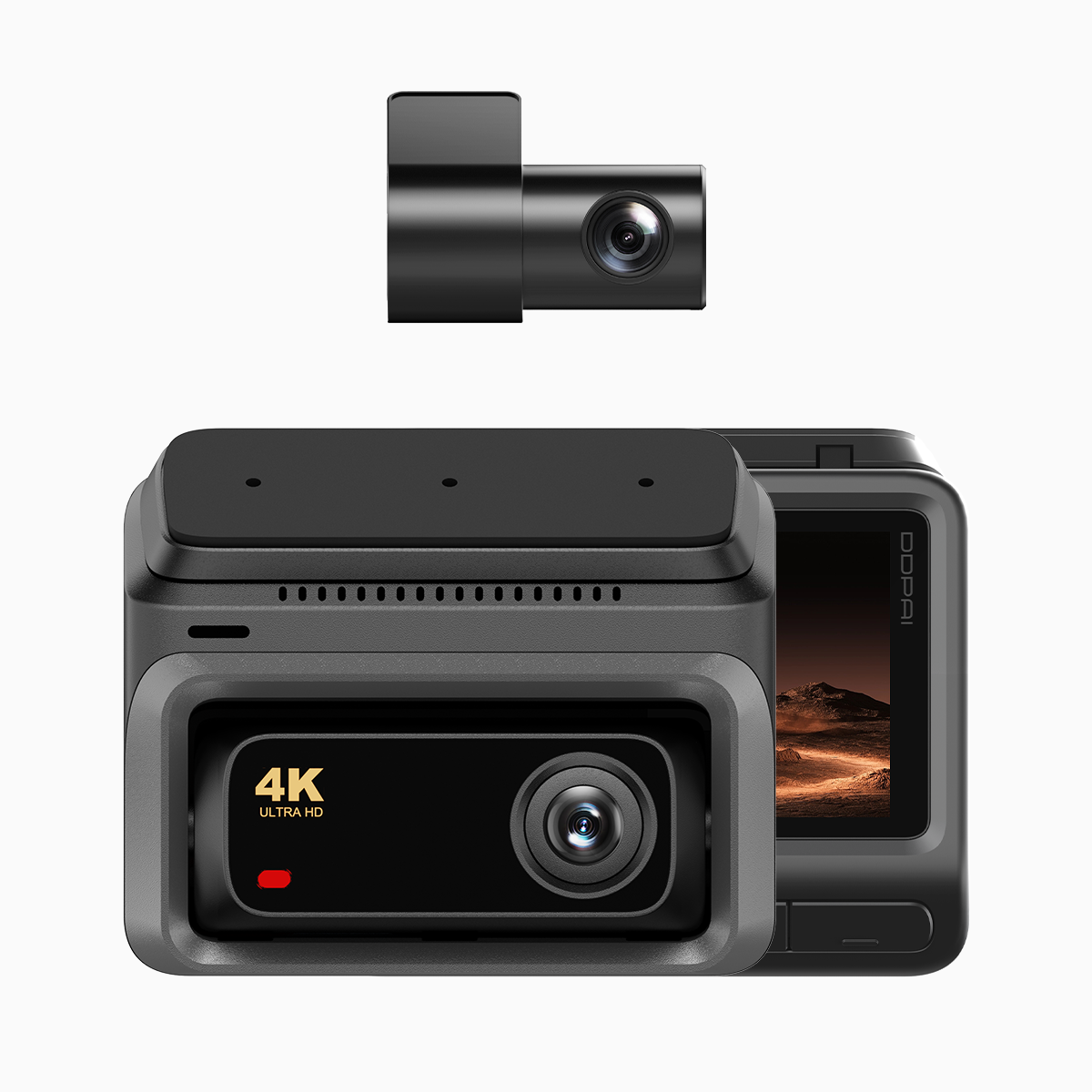
Dual systems combine an exterior lens and an interior lens so you’re not guessing who said what or where impact occurred. Night vision and HDR capture plates and faces at dusk. A unit with solid 4G connectivity and cloud backup means footage uploads automatically after an event, so drivers don’t lose evidence if the card gets trashed. The added perks — reliable loop recording, a sensitive G-sensor for impact tagging, and OTA firmware — turn cameras into trust machines for drivers and platforms alike. Put simply: it’s not flex, it’s protection.

Real setups that work — and one aside
Good setups are simple: mount the front cam high on the windshield, angle the interior cam slightly down to cover rear seats, enable cloud upload, and set video bitrate to a level that keeps detail without burning through storage. — And yes, sync your unit with your phone so footage is actually usable when you gotta share it fast. Solid cab setups reduce disputes and speed up claims.
Common mistakes drivers make
Drivers often buy the cheapest single-lens cam, slam it on the dash, forget firmware, and never enable cloud or password protections. Others set low resolution to save space and then can’t read plates in night clips. Avoid underpowered 4G modules — they stall uploads. Use a dashcam with 4g that reliably sends events to cloud storage, keep firmware current, and check your SD card health every month.
Alternatives and quick comparison
Options break into three camps: entry-level single cameras (cheap, limited evidence), high-end telematics fleets (powerful but pricey and complex), and integrated dual dash cam systems with 4G/cloud (sweet spot for drivers). The dual cloud-enabled models give the best balance of interior accountability and external proof without needing fleet IT. For many solo drivers, that’s the practical upgrade.
Three golden rules for picking the right camera
1) Prioritize night clarity and dual lenses: interior plus exterior gives context and reduces disputes. 2) Confirm 4G/cloud reliability and OTA updates: evidence must be preserved and the device should stay patched. 3) Check impact tagging and storage behavior: a strong G-sensor with event-locking and sensible loop recording prevents overwritten proof. These are the metrics that matter on the street — not hype.
Final takeaway: install tech that actually answers what happened, when it happened, and who was involved. For Grab and transport drivers in busy routes — especially in Manila peak hours — that clarity saves time, cash, and stress. DDPAI Philippines nails that balance with gear tuned for night vision, cloud resiliency, and real-world driving needs — legit protection, no cap. —