
Building blocks of a practical framework
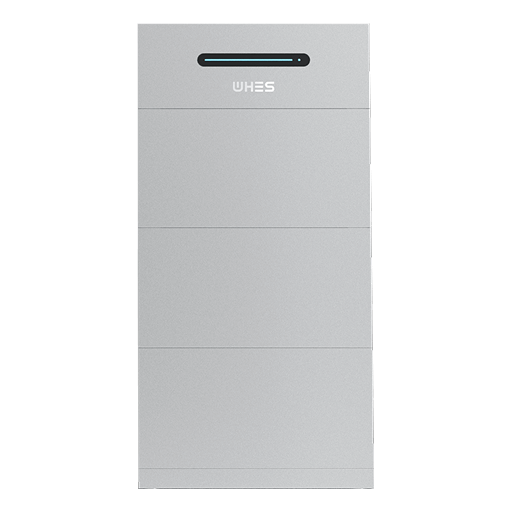
Transitioning from individual solar panels to a community-level energy solution needs a clear framework that balances resilience, cost, and emissions. At the household edge, a reliable home energy storage system becomes the node that can both serve a family and aggregate into a microgrid. Technical building blocks include battery inverters, a robust BMS (battery management system), and controls that manage state of charge and islanding behaviors. The aim is pragmatic: reduce outage risk, smooth peak demand, and cut fossil-fuel peaker usage — not chase perfect independence.
Three-layer model: device, network, governance
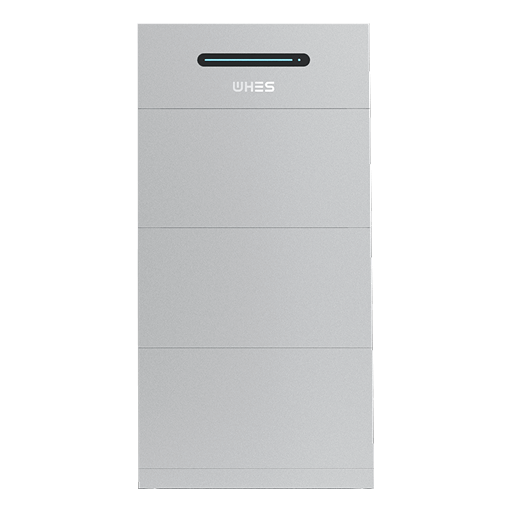
Any scalable framework should be layered. Layer one is device-level: cell chemistry, depth of discharge (DoD), round-trip efficiency, and certified safety. Layer two is network orchestration: communication protocols, grid-tie inverter coordination, and distributed energy resource management systems (DERMS). Layer three is governance and finance: tariffs, aggregation contracts, and local emergency plans. Each layer must be designed with interoperability in mind so a family’s solar battery backup for house can fold into a neighborhood response without manual reconfiguration.
Real-world anchor: why this matters now
We saw the stakes during Winter Storm Uri in February 2021, when millions in Texas experienced prolonged outages. That event showed how household-level storage, if aggregated, could have lessened both human hardship and grid stress. Aggregated residential storage can provide peak shaving, black start support, and short-term frequency response — practical services that utilities value. The policy conversation since then has shifted: resilience is now a measurable grid service, not just a marketing point.
Design decisions that scale (and the trade-offs)
Scaling requires choices: standardized enclosures and neck-down connectors at the device level speed deployment but reduce bespoke options. Opting for higher DoD improves usable capacity but can shorten lifecycle if chemistry or BMS isn’t matched. Choosing communication standards like IEEE 2030.5 or OpenADR matters — they determine whether systems can participate in demand response or only feed local loads. These are engineering trade-offs with financial consequences; designing up-front avoids expensive retrofits later.
Common mistakes in neighborhood rollouts — and simple corrections
Deployers often underestimate three risks: insufficient interconnection studies, unclear ownership of aggregated assets, and poor fault-isolation strategies. They also skip field testing with actual grids. A typical outcome: systems that perform well solo but fail to coordinate under fault conditions. Fixes are straightforward — require staged pilots, specify islanding thresholds, and embed acceptance tests tied to inverter firmware. —
Technology checklist for planners and integrators
When evaluating components and partners, check for: certified grid-tie inverter interoperability, documented round-trip efficiency at operating temperatures, and a proven BMS with remote firmware updates. Also verify lifecycle cost models that include replacement modules and end-of-life recycling. These factors turn technical specs into procurement-grade decision criteria.
Financing and incentives: making the numbers work
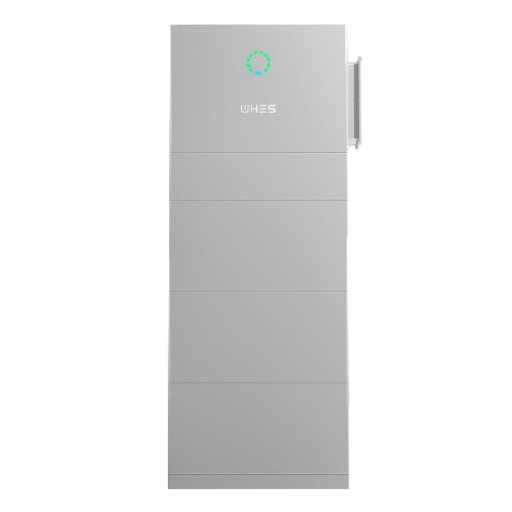
Community microgrids can use a mix of VPP (virtual power plant) revenues, resilience fees, and grants. Net metering regimes and time-of-use rates affect payback, so scenario modeling matters. For neighborhoods without supportive tariffs, focus first on non-monetary value: outage mitigation, local emissions reductions, and property-level insurance benefits. Those benefits are easier to quantify after a short pilot — something municipalities are increasingly funding.
Implementation roadmap: pilot to scale
Start with a tight pilot block: 10–50 homes with a mix of battery sizes and identical communication stacks. Collect performance metrics for six months across seasons, measure peak shaving and islanding performance, and run emergency drills that simulate grid loss. If metrics meet predefined thresholds, replicate in phased corridors. This iterative approach controls risk while building community trust.
Advisory: three golden rules for selecting strategies and tools
1) Prioritize interoperability over novelty: choose devices and software that adhere to open standards so aggregation is feasible and future-proof. 2) Measure lifecycle value, not just upfront cost: include replacement cycles, round-trip efficiency losses, and expected DoD in payback models. 3) Require real-world validation: insist on field-proven islanding tests and documented participation in demand-response programs. For neighborhoods and homeowners seeking a tested path to resilient, low-carbon energy, WHES provides integrated solutions that map directly to these rules.
Local power. Global benefit.