
Problem snapshot: why this mess hits hard
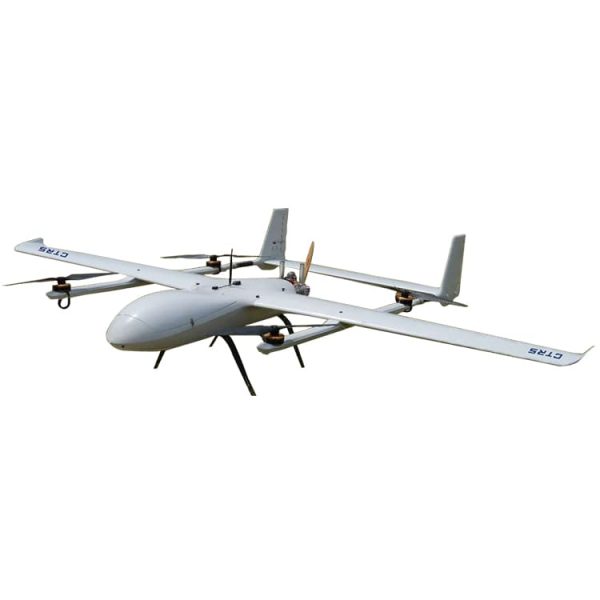
When a drone’s trailing a military train, the radio link can go nuts — signal dropouts, echoes, sudden fades. That’s the day-to-day problem ops crews face on rail corridors and tight urban canyons. If you’re flying a vtol fixed wing drone, you’ve got platform constraints and mission demands both. The challenge’s simple: moving metal, tunnels, overhead structures and crowded RF bands wreck the link budget and give multipath hell for the comms chain.
How RF attenuation and multipath actually break things
RF signal strength drops with distance, obstruction, and absorption. Multipath adds copies of the same signal arriving out of phase — that causes fading and inter-symbol chaos. Train cars, bridges and concrete walls are perfect reflectors. Toss in urban clutter like Manhattan’s skyscrapers and you get extreme multipath. That real-world anchor shows why rail-follow ops are different from open-field flights.
Platform and nav fixes that matter
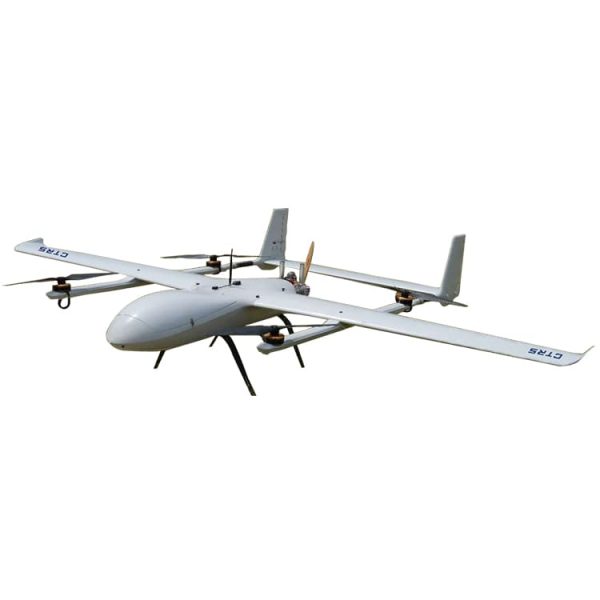
Hardware placement and sensor fusion win more than you’d think. Mount antennas high and forward on an airframe to reduce shadowing. Use antenna diversity or MIMO to catch the best path. If you’re using a vertical takeoff fixed wing uav, you can still optimize mounts and cabling to cut attenuation. Pair GNSS with INS so the drone doesn’t go blind when the RF link stutters — that nav hold fills the gap while comms recover.
Signal-layer tricks that cut the outages
Design the comms stack for real conditions: adaptive modulation, automatic repeat request, and dynamic power control keep the link alive without frying batteries. Beamforming and directional antennas focus energy along the train-track vector instead of spraying it everywhere. Also, set sane link-layer timeouts so the controller and autopilot don’t overreact to brief fades — short blips shouldn’t trigger emergency returns.
Common mistakes crews keep repeating — and how to avoid ’em
They mount a single tiny omnidirectional antenna and pray. They run max throughput over marginal links. They ignore cabling losses and connector quality. Fixes are straightforward:

– Use antenna diversity or spatially separated antennas.
– Test coax runs and connectors; every dB counts.
– Profile comms on route segments (tunnel, bridge, yard) and tune adaptive settings per segment.
Trade-offs and alternatives: what to pick when you can’t have everything
High-gain directional antennas reduce multipath but limit agility in yaw. MIMO handles reflections but adds weight and power draw. Satellite links add resilience at range but add latency and cost. Sometimes the best call is operational: fly higher when possible to clear clutter, or shift the follow point so the drone keeps line-of-sight behind the lead engine rather than tucked near cars. These are practical compromises — not sexy, but they work.
Implementation checklist for field teams
Get metric-driven setup. Run a quick bench test, then a corridor walk with spectrum scans. Calibrate adaptive modulation thresholds against measured BER and packet loss. Log GNSS/INS hold events to tune autopilot handoff timing. And rehearse fail modes — short training drills cut confusion when the link dips.
Advisory close: three golden rules for picking tactics and kit
1) Prioritize link robustness metrics over peak throughput — aim for sustained packet delivery and low bit error rate, not flash datarates. 2) Favor spatial and antenna diversity plus sensor fusion (GNSS + INS) to survive multipath and tunnels. 3) Measure and iterate per route: spectrum scans, BER logs, and timed handoff tests give you the data to tune beamforming, power control, and timeouts.
These moves keep the follow mission tight and predictable, and they point to gear and workflows covered in depth at Military Hub. Ready.