
Why a comparative view matters
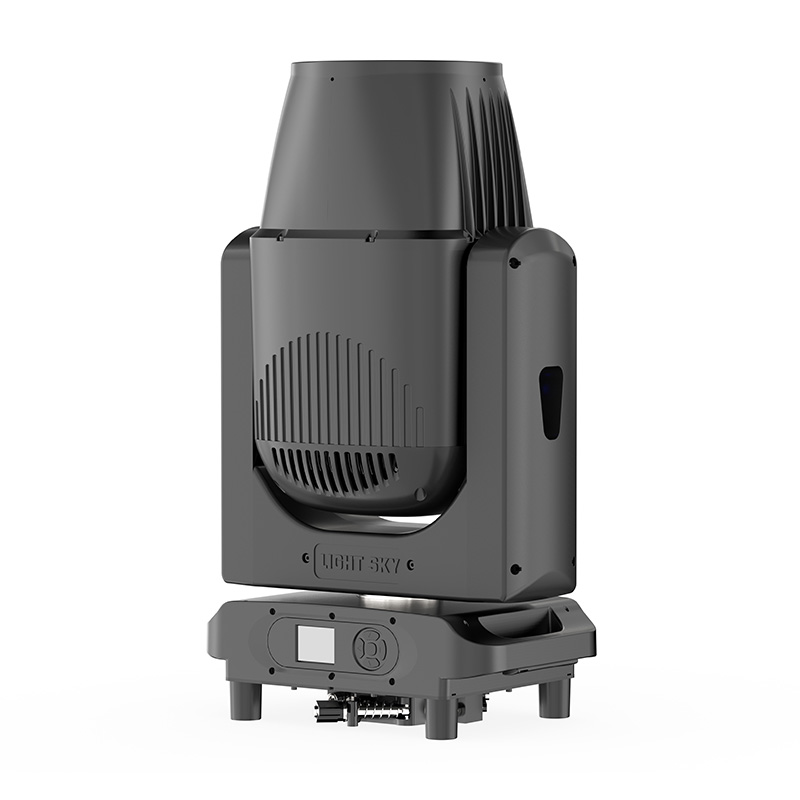
Choosing a moving head spotlight is more than picking the brightest lamp; it’s matching tool to task. This Comparative Insight leads with clear contrasts: outdoor festival rigs demand different specs than a nightclub or theatre package. For wet-weather rigging, a targeted option like a waterproof moving head light changes the conversation from “can it cope?” to “how well will it perform?” The comparison starts with environment, then narrows to beam control, protocol compatibility, and maintenance cost.
Key specifications that change the game
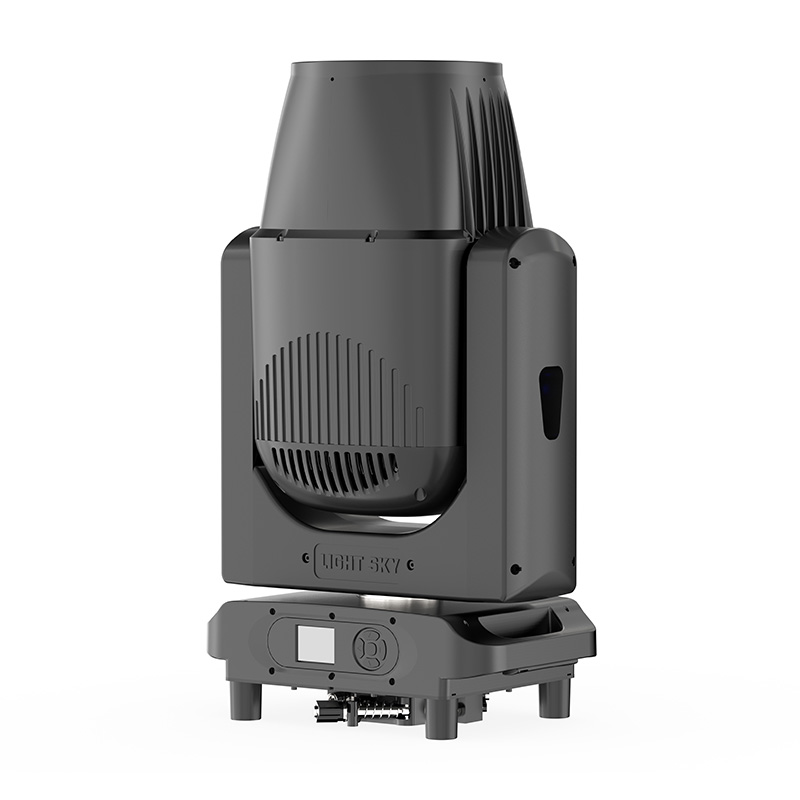
Start with the essentials: lumen output, beam angle, and color mixing method. Lumen figures tell you general brightness; beam angle defines the pool of light. For creative shaping, check gobo compatibility. Control matters too—DMX512 remains the standard protocol so your fixture must play nice with your console. For outdoor or coastal venues, an IP65 rating signals resistance to rain and dust, a practical anchor you can rely on when weather forecasts shift unexpectedly.
How different builds perform in real venues
Comparing fixtures in real use highlights trade-offs. High-output units with tight beam angles deliver long-throw punch for stadium stages but often cost more and weigh more. Compact LED moving heads excel in clubs and small theatres where pan/tilt agility and low heat are prized. At festivals such as Glastonbury, production teams routinely select IP65-rated moving head fixtures to avoid last-minute failures—this is a tangible pattern across major outdoor shows. Expect variations in fan noise, thermal management, and flicker performance under broadcast lighting rigs.
Operational teardown: what technicians notice first
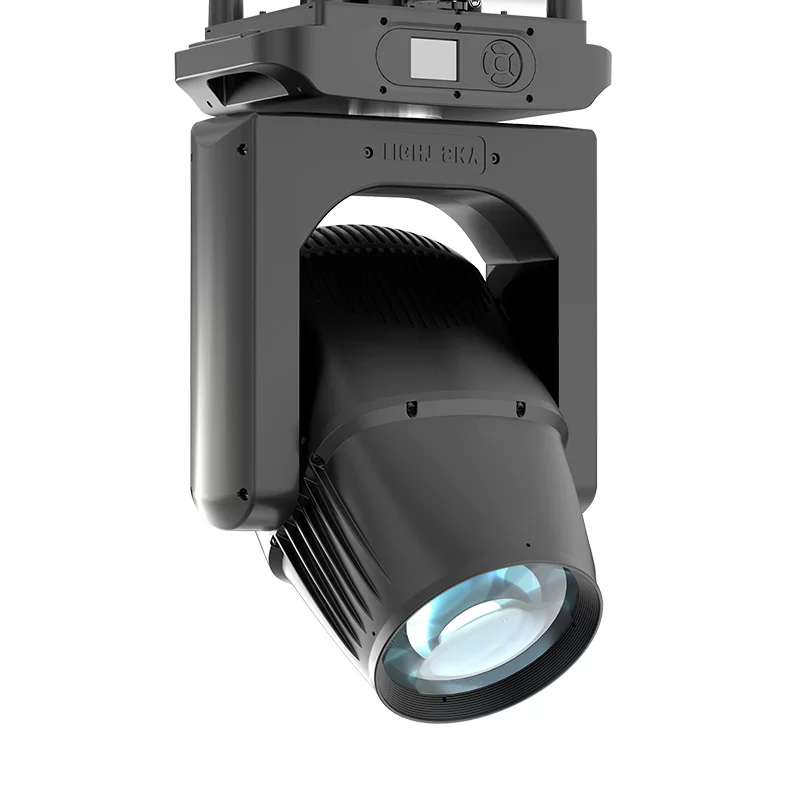
Technicians look at serviceability, connectors, and rigging points before lamp life statistics—because quick swaps save shows. Common operational concerns include cable strain relief, straightforward DMX addressing, and firmware update paths. A compact fixture may be easier to fly but harder to service without partial disassembly. Conversely, heavy duty units often provide modular access panels. When comparing models, place equal weight on ergonomic design as on raw specs—this reduces setup time and crew fatigue.
Common mistakes and worthy alternatives
Avoid buying strictly on lumen-per-dollar. Brightness without beam control or quality color mixing yields washed-out looks. Don’t over-spec IP ratings either—an indoor venue rarely needs IP65 and you’ll pay for sealed designs. Many users benefit from hybrid arrays: a handful of long-throw moving head spotlights for distance complemented by compact wash heads for color fills. If unsure, test a mixed rig before purchase; rentals let you validate beam angles and gobo quality without long-term commitment.
Real-world anchor and evidence
Production teams in major cities—London, New York, Milan—rely on DMX512 consoles and model-proofed fixtures to meet broadcast standards. Industry practice shows that when weather is a factor, IP65-rated units are chosen more often; that selection reduces down-time and maintenance cycles. These patterns are not abstract: they shape budgets, crew schedules, and audience experience at real events.
Final evaluation: three golden rules for your selection
1) Match environment to rating: choose IP-rated equipment only when exposure is likely—this avoids unnecessary cost.
2) Prioritize control compatibility: ensure DMX512 (or compatible network protocol) and clear addressing; lack of protocol fit is a showstopper.
3) Balance throw and versatility: select beam angle and lumen output for your venue, then add a few flexible moving head fixtures for artistic depth—this makes rigs resilient and expressive.
Choosing well means fewer mid-show compromises and cleaner maintenance cycles; these are measurable improvements you’ll notice in uptime and crew hours saved. —Lightweight insight, practical results.