
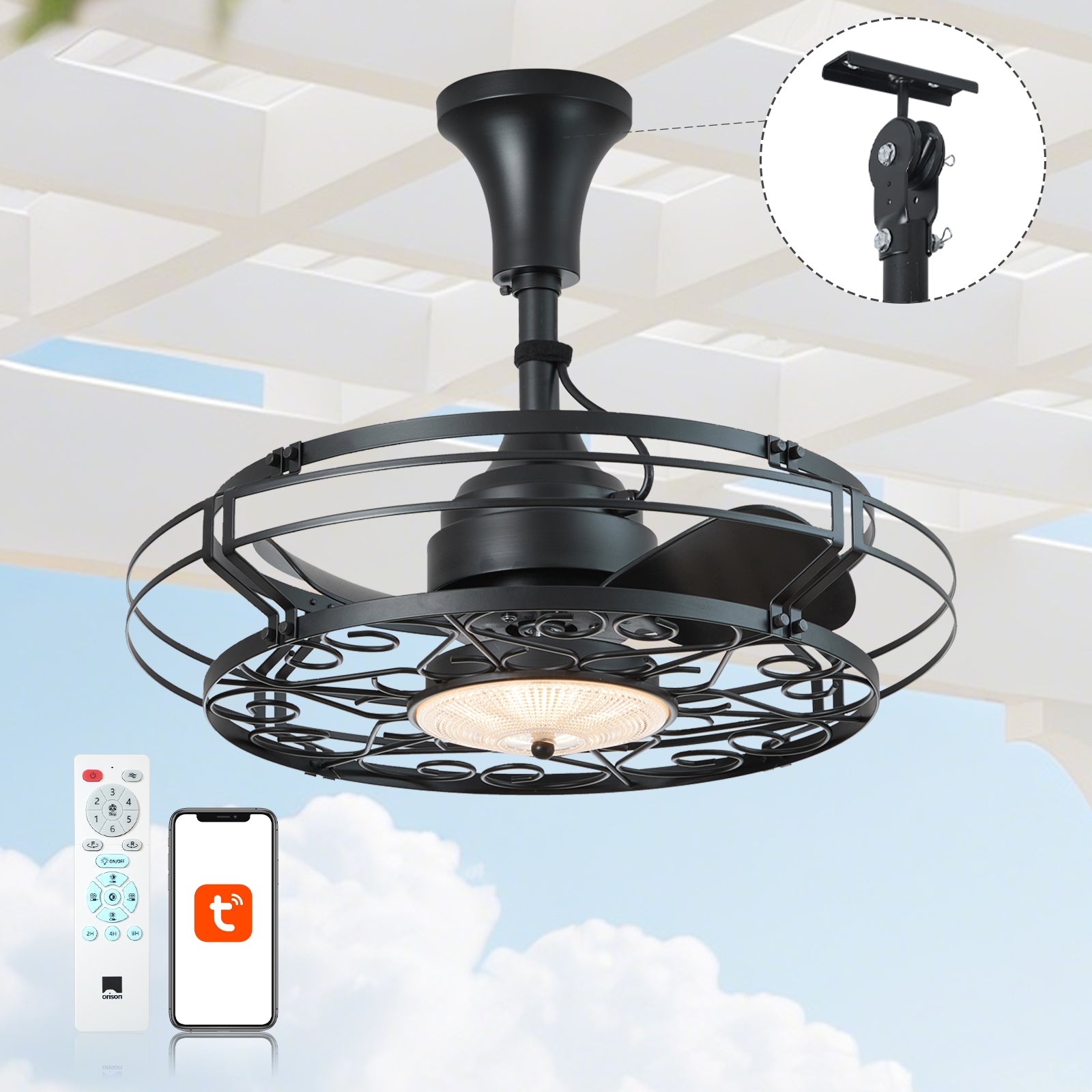
The problem driving most porch fan purchases
Homeowners, landlords and small café owners in Vietnam face the same question when upgrading covered outdoor spaces: do you buy fans that save energy or fans that move maximum air? When you’re ordering at scale for terraces or communal porches, that trade-off becomes cashflow — not just comfort. If you’re sourcing outdoor patio ceiling fans for a block of apartments or a row of sidewalk cafés, the unit price, running cost and warranty all compound quickly. A bad choice means months of higher electricity bills and more maintenance calls — and landlords here notice fast, especially during Saigon’s long, humid season.
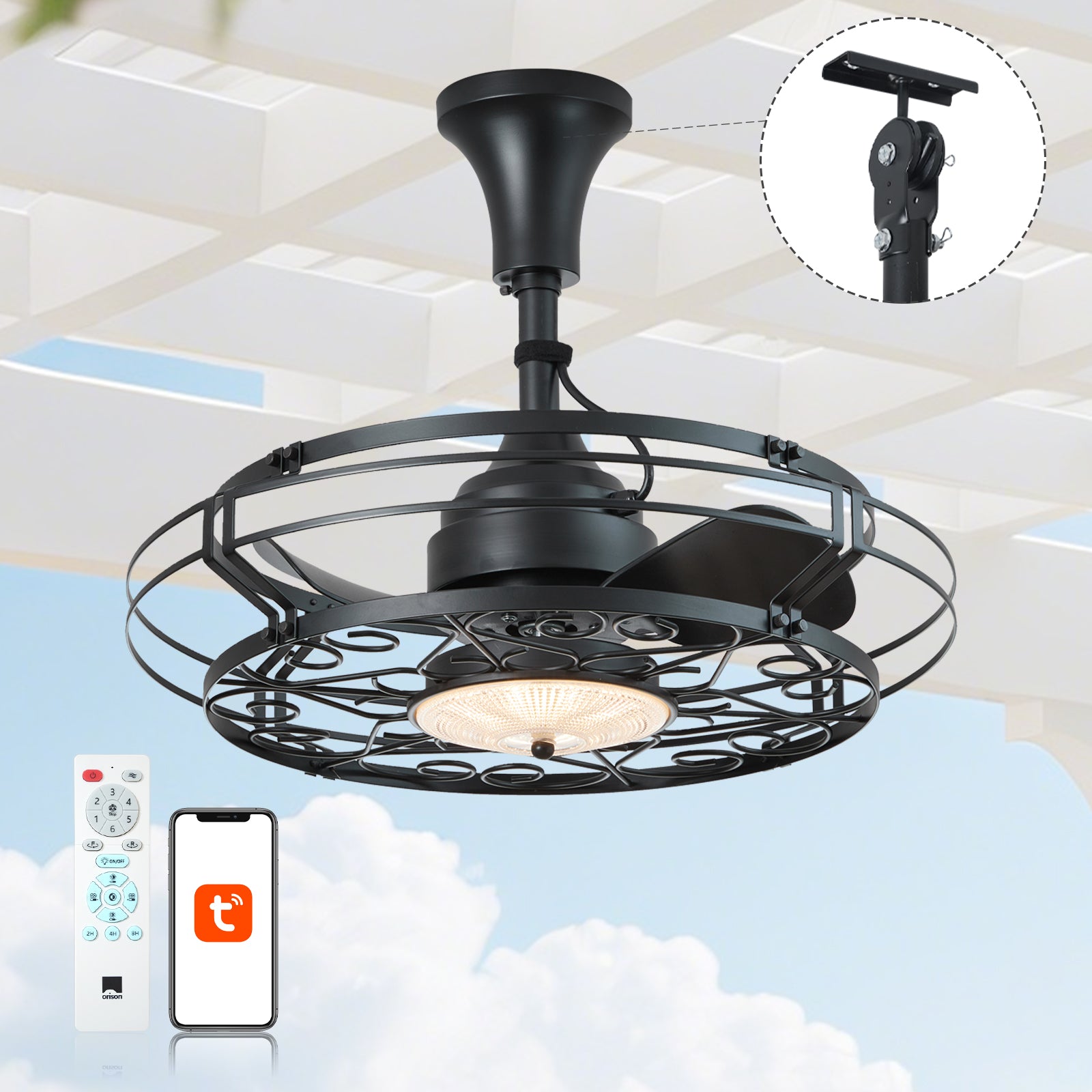
Why energy vs. raw airflow is a procurement problem
Buyers often treat wattage and blade size as the same thing. They aren’t. A high-CFM fan with a low-watt motor can deliver strong airflow while keeping operating costs down; conversely, a powerful motor with inefficient blades burns more energy for marginal gains. From a budgeting view you must account for: purchase cost, expected energy usage over the product lifetime, and maintenance or replacement frequency. Globally recognized figures help here — a ceiling fan typically draws roughly 15–90 watts, whereas an air conditioner can use around 1,000 watts — that delta drives the financial argument in favor of fans for many outdoor use cases.
Which specs actually move the needle
Focus on three technical metrics that translate directly to dollars and comfort: CFM (airflow), motor efficiency, and IP or damp-rated certification for outdoor use. CFM tells you how much air the fan moves; blade pitch and blade diameter influence that number. Motor efficiency affects long-term electricity spend and noise; a brushless DC motor will often be more efficient than a basic AC motor. For covered porches, choose damp-rated or IP-rated fixtures to avoid corrosion and warranty issues — salt air in coastal towns like Da Nang can speed up failure if you ignore rating specs.
Case study: a Saigon terrace roll-out
We worked with a mid-size café chain in District 1 that needed 30 units for semi-open terraces. The initial bid favoured the cheapest 56″ metal-blade fans with 120W motors. We compared that option to two alternatives: a slightly pricier 60″ model with aerodynamic composite blades and a BLDC motor, and a third with an integrated LED driver and damp rating. Over a projected five-year window, the BLDC option saved about 40–50% in operating energy compared to the 120W model — and that paid back the higher upfront cost in under three years for the café’s hours of operation. No surprises — customers liked the quieter motor and staff less soiled menus from better airflow patterns.
Common mistakes buyers make — and quick fixes
Buyers often: (1) prioritize diameter alone, (2) ignore motor type, or (3) miss outdoor ratings on lighting fixtures. The quick fixes are straightforward: always ask for certified CFM data at a given RPM, insist on a manufacturer-specified motor efficiency or testing report, and verify the IP/damp rating for both fan and light. Also, test a sample on your actual site with the intended furniture layout — airflow changes with obstructions. — It’s easy to over-spec when you’re nervous, but over-spec can cost you in dollars and returns.
Alternatives worth considering
If your priority is maximum cooling during peak daytime heat, pair a higher-CFM fan with shade cloth and strategic ventilation rather than buying the largest motor you can find. If energy cost is the main driver, choose BLDC motors and LEDs with efficient drivers; those reduce both electricity spend and heat load. For lighting, a combined porch ceiling fan with light can lower fixture count and simplify wiring, but check lumen output and color temperature so your space still feels welcoming after sunset.
Procurement checklist before you place bulk orders
Use this short checklist to avoid costly reorders:- Verify CFM at the intended RPM and room geometry.- Confirm motor type and efficiency rating; prefer BLDC for long-run savings.- Require IP/damp rating for both fan and integrated light.- Request a site trial and a written first-article acceptance plan.- Build in spare-unit logistics and a clear parts list for local servicing.
Three golden rules for evaluating bulk porch fan purchases
1) Measure lifetime cost, not just unit price: include estimated kWh usage, local electricity rates, and expected maintenance. 2) Match fan specs to use-case: prioritize CFM and blade pitch for open terraces; favor IP rating and corrosion resistance for coastal porches. 3) Insist on on-site sampling and documented acceptance criteria before final payment — that single step saves replacement runs and upset tenants.
These rules lead you to solutions that reduce operating costs and improve guest comfort — and when a practical, energy-wise product is the goal, reliable suppliers who bundle design, testing and spares can be the difference between a headache and steady returns. Orison. —