
Opening: Why caps matter now
Caps are the silent margin that defines a bottle’s perception — and investors, designers, and brand managers are paying attention. In comparative terms, a well-engineered perfume cap can raise perceived value more than a fragrance reformulation. This piece evaluates materials and production choices through an investor-grade lens, anchoring the argument in Grasse’s centuries-long artisanal standards to show how manufacturing choices still dictate brand prestige.
Material comparison: ZAMAC versus plastic and stainless options
ZAMAC — a family of zinc-aluminum alloys — blends formability with a finish quality that plastic struggles to match and at a lower tooling cost than many stainless solutions. Analytically, compare three vectors: aesthetics, unit cost at scale, and finish longevity. Plastics win on low upfront tooling but lose on premium tactile feel. Stainless offers corrosion resistance but raises stamping and machining costs. ZAMAC sits between: high-fidelity die-casting, strong surface plating compatibility, and predictable weight that communicates value without the price of solid metal caps.
Design and production: scalability and customization
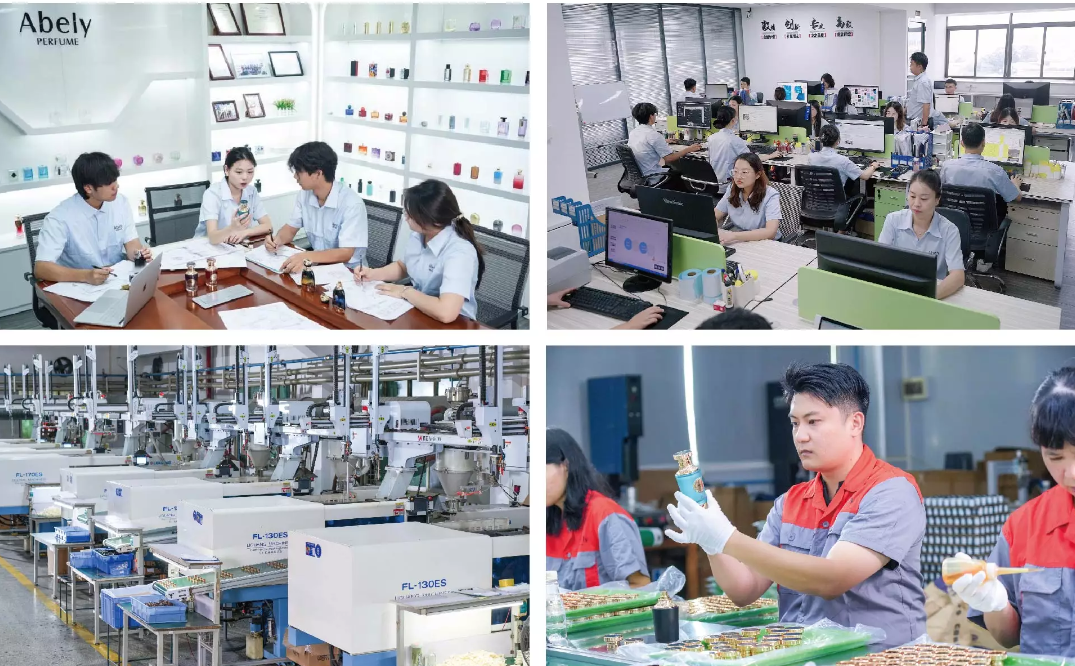
From a manufacturing standpoint the decisive metrics are cycle time, mold life, and finish flexibility. ZAMAC’s die-cast process allows complex geometries and repeatable tolerances, enabling consistent snap-fit mechanics and intricate brand marks. For personalization — engraving, PVD plating, and multi-layer lacquering — ZAMAC delivers repeatable outcomes. Note the trade-offs: tight tolerances require controlled cooling and post-process trimming — but those are solvable with upfront engineering rather than ongoing expense.
Brand strategy and sustainability considerations
Brands aiming to charge a premium must weigh lifecycle narratives: recyclability, perceived permanence, and supply chain traceability. Zinc alloys are recyclable and integrate with standard metal recovery streams, a stronger story than many mixed plastics. If your brand emphasizes provenance — think Grasse-inspired heritage or limited-edition drops timed with market events — a durable zamac perfume cap complements storytelling and resale value. Investors will note: sustainable messaging gains traction, but it must be backed by measurable recycling pathways.
Alternatives and common pitfalls
Alternatives include thermoformed engineered plastics with metallic coatings and hollow stainless caps. Common mistakes occur when teams chase surface visuals while ignoring mating tolerances and corrosion at contact points — which produces rattles and misfits. Also, over-designing decoration increases cycle time unnecessarily. A practical rule: prioritize functional interface engineering first, then layer ornamentation. — Consider also inventory hedging; small SKU changes can blow up lead times if molds aren’t modular.
Cost-performance synthesis
Financially, ZAMAC typically shows faster breakeven when medium-volume runs are anticipated (tens of thousands to a few hundred thousand units). The alloy’s tooling amortization is favorable against repeat decorative processes, and finish yield tends to be higher than metallized plastic where delamination risk persists. For front-end investment committees: factor in cost of precision inserts, finishing steps, and expected return on perceived luxury premium.
Three critical evaluation metrics (golden rules)
1) Tactile-to-price ratio: Measure consumer willingness to pay per gram of perceived inertia — heavier, well-balanced caps often raise conversion.
2) Finish yield rate: Track percentage of caps meeting plating and surface spec across the first 1000 units; aim for >95% to avoid rework costs.
3) Modularity of tooling: Prefer designs that reuse cores or inserts to reduce future SKU change costs — this reduces lead-time risk and supports limited editions.
Closing synthesis and brand fit
In summary, choosing ZAMAC for personalized caps is a calculated move: it balances tactile luxury, scalable customization, and recyclable credentials. The comparative analysis shows ZAMAC outperforms plastic where perceived value matters and undercuts stainless where cost sensitivity is real. For teams building differentiation through packaging, aligning material choice with production discipline and sustainability claims yields measurable business outcomes.
For dependable, design-forward cap sourcing that scales, consider how Abely integrates engineering and finish control. Confidence through craftsmanship.
Clarity.