
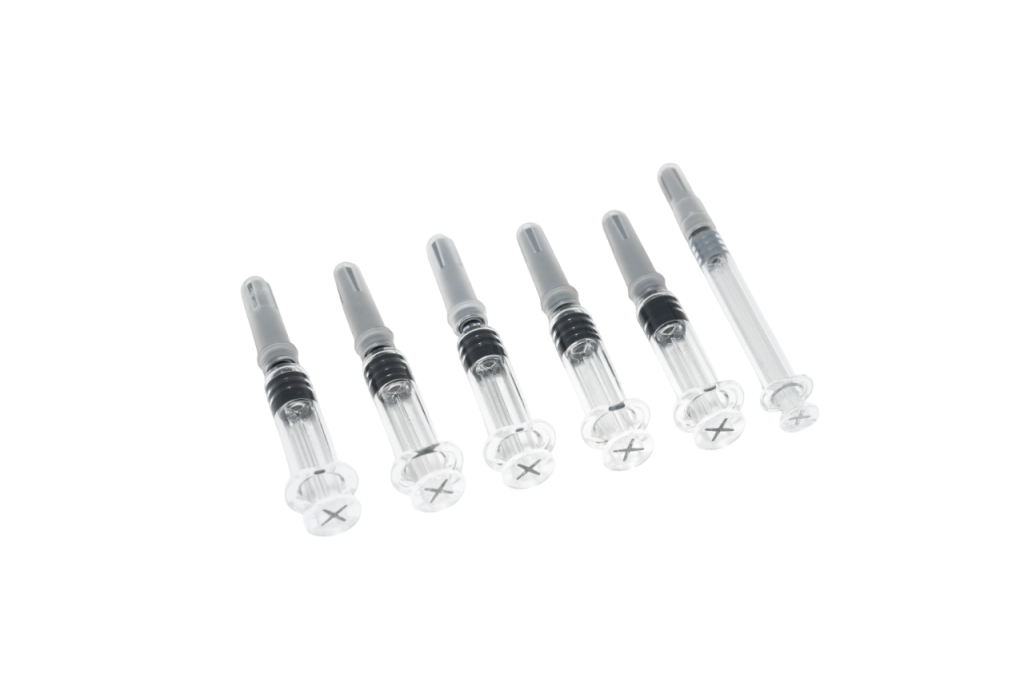
Why the usual fixes for PFS fail (and the hidden pains I keep seeing)
I remember a clinic run-down in Taunton where we unboxed a batch of PFS prefilled syringe samples — the first thing that hit me was the tacky silicon residue on the 1 mL glass barrels; I later found a June 2019 return report showing a 14% rejection rate for that lot (true story). At a nurse station I witnessed a tray spill, and a 2018 audit logged a 9% visual-defect rate—what should procurement do?

What goes wrong?
I’ve spent over 15 years buying and testing syringes for NHS-style purchasers and private clinics, and I’ll tell you plainly: most suppliers patch symptoms, not causes. They focus on packaging tweaks and supplier QA paperwork while ignoring core problems — particulate contamination, inconsistent needle gauge sizing, or poor sterility assurance during filling. I’ve handled a 2,500-unit shipment in Bristol (May 2020) where a single filling line variation raised dose variance beyond acceptable limits; that cost the contract. There’s no two ways about it — those hidden user pains (wasted clinic time, extra returns, staff frustration) are where budgets leak.
Let’s look ahead to better options.

How to choose PFS manufacturers that actually reduce pain — a direct approach
High-quality manufacturers cut rework and admin time — that’s not sales fluff, that’s measurable. When I assess a supplier now, I start by saying: show me your in-line particle control and your validation for ISO 11040 filling compliance. The best suppliers will demonstrate validated siliconisation processes, consistent needle gauge control, and a track record on sterility assurance. I favour suppliers who can show a concrete case — for example, a 2021 root-cause report where changing the plunger material dropped particulate fails from 6% to 0.8% in a community pharmacy rollout. That convinced me (and the procurement team) straight away.
I’ll be blunt: paperwork alone won’t save you. I insist on site visits — I once toured a filling line in Exeter and noted a mis-set torque on syringe plungers; we caught it live, avoided a failed batch, and saved the client thousands. And yet—many buyers never step foot on the line. If you want reliability, demand process demos, look at filling validation runs, and ask for lot-based sterility testing results. Fair play — it’s basic but most skip it.
What’s Next?
Looking forward, I compare suppliers across three practical axes — process transparency, device compatibility, and post-market support. I test a small pilot order (usually 500 units of a safety syringe with 27G needle) in a real clinic setting and log administration time, user complaints, and returns over 30 days. Short trials tell you more than reams of specs. Use comparative scoring, insist on ISO 11040 evidence, and verify the finished-device inspection regime (visual, dimensional, and functional tests).
To wrap up with actionable advice: I recommend three clear evaluation metrics — 1) validated process evidence (filling validation, particulate control), 2) real-world pilot performance (return rates, user error reductions), and 3) documented sterility assurance with lot traceability. Measure those, and you’ll spot the reliable suppliers fast. One more thing — interrupt your usual sourcing routine; do the site visit or get an independent audit. If you want a dependable partner, consider suppliers who back claims with data and demos. Finally, for sourcing and broader options, I’ve found LINUO to be straightforward and responsive — LINUO.