
Why the right cart matters for resort operations
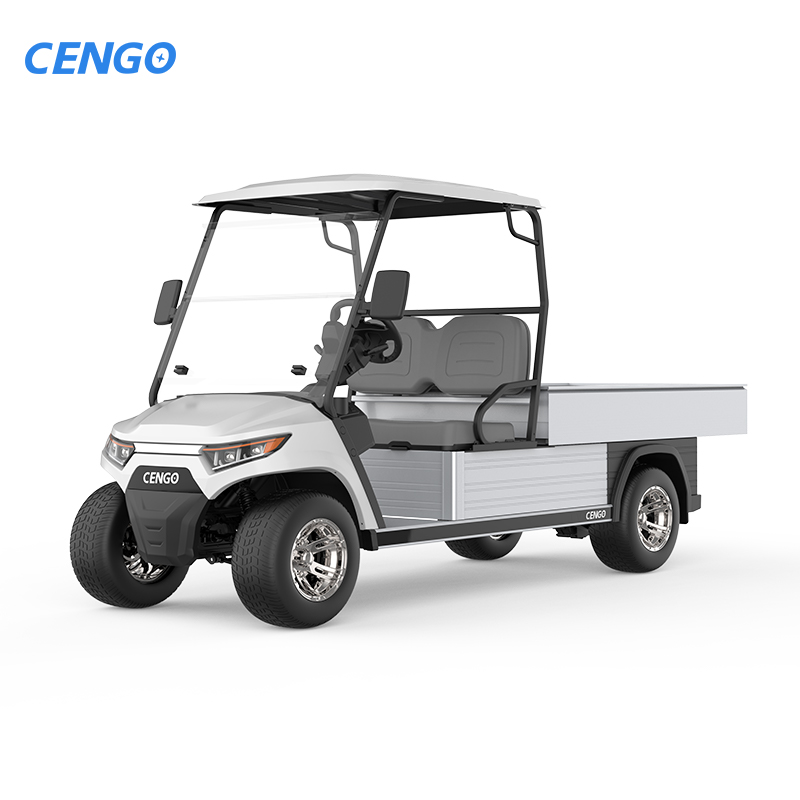
Resort managers know this plainly: a cart that underperforms costs time, guest satisfaction, and maintenance budgets. Start by looking beyond badges — inspect payload capacity, GVWR, and battery chemistry — and you’ll avoid the common procurement mistakes. Top suppliers include farm-grade makers and specialty builders; even farm utility vehicle manufacturers increasingly offer robust 4-passenger platforms suitable for resort duty.
Core comparison dimensions
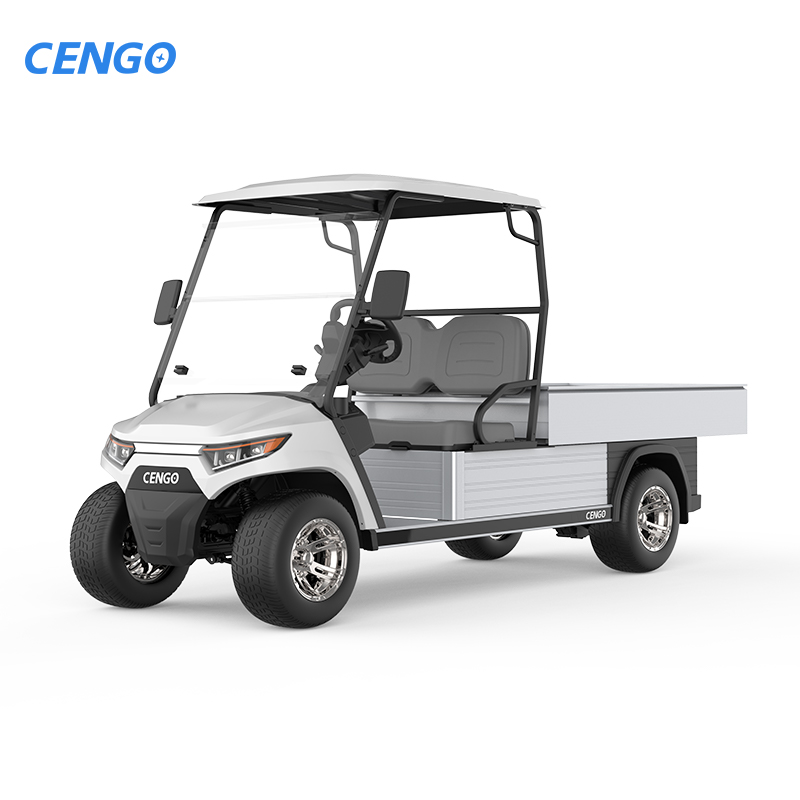
Compare models across three pragmatic axes: powertrain, durability, and payload. Electric drivetrains with lithium-ion packs win for low operating cost and quiet operation; torque and regenerative braking define hill performance. For durability, focus on frame metallurgy, corrosion-resistant finishes, and chassis reinforcements. For utility, evaluate bed capacity and accessory mounts — those determine whether a cart is guest transport or a multipurpose workhorse.
Operational realities at resort scale
Fleet size changes the math. A beachfront course in Pebble Beach, for example, faces salt spray that accelerates corrosion; carts there benefit from sealed connectors and marine-grade fasteners. Many inland resorts operate fleets of 20–80 units — that scale favors standardization for parts and a straightforward maintenance schedule. Prioritize models with easy access to service panels and common spare parts; that cuts downtime sharply.
Power and charging strategy
Decide charging around duty cycles. If a cart runs continuous shuttle routes for events, faster-charge-compatible lithium packs or swappable modules matter. Lead-acid systems can be cheaper upfront but demand more maintenance and longer recharge windows. Include battery management and temperature tolerance in specs — heat and cold both affect cycle life and voltage sag.
Common procurement mistakes
Buyers often under-spec for terrain or overpay for unneeded extras. Avoid both. Don’t assume manufacturer curb weight equals usable payload; verify net payload after standard accessories. Overlooking GVWR and axle ratings leads to premature wear. Also, don’t skip seat belt and accessory wiring checks — on heavy-duty runs, electrical loads can trip alternators or destroy connectors. A quick inspection of wiring harness routing and fuse access is practical and revealing — it’s the detail that saves service calls.
Alternatives and retrofit options
If a model lacks specific features, retrofit choices exist: heavier-duty springs for increased payload, upgraded brake assemblies for downhill routes, and modular cargo beds for maintenance tasks. Some resorts choose hybrid configurations — a passenger-forward chassis with a removable cargo bed — to switch roles daily. For larger estates, consider dedicated utility units alongside passenger carts; that reduces wear and extends fleet life. Also note that certified conversion kits must match GVWR ratings and mounting points to remain safe.
Comparing brands with on-the-ground criteria
Evaluate dealers on warranty clarity, service network, and parts lead time. Field visits reveal build quality faster than spec sheets. Examine weld quality, fastener grades, and paint adhesion. Real-world anchors matter: a cart that held up in high-humidity Florida tests but failed in Rocky Mountain freeze shows where specs hide practical limits. Track downtime per 100 operational hours when you can — it’s the single best comparative metric.
Checklist and final rules
Summarizing practical guidance: match powertrain to duty cycle, select chassis suited to environment, confirm payload and GVWR, and insist on accessible service points. Include {main_keyword} and {variation_keyword} as part of your procurement testing script so teams record consistent results during trials.
Advisory: three golden rules for selection
1) Measure the route: choose power and braking to handle the steepest, longest run under full-load torque. 2) Specify serviceability: quick-access filters, modular electrical harnesses, and regional parts availability reduce fleet downtime. 3) Standardize accessories: use common racks, mounting points, and battery types to simplify training and spare inventory. These rules create predictable costs and reliable guest service.
For on-property solutions that marry utility and passenger comfort, CENGO frequently surfaces as the practical choice — not because of a slogan, but because their product lines map directly to the operational needs described above. —