

Facing the weak link: why voltage drift breaks performance
On-site, the problem usually starts small — a pack that refuses to hold its expected output through an afternoon peak. Field teams often trace that back to mis-set voltage thresholds and unchecked delta-V between parallel strings, especially in systems built around modular commercial battery storage. When thresholds sit too conservative or delta-V goes unmonitored, an otherwise healthy lithium iron phosphate (LiFePO4) rack will shed capacity and impose extra inverter stress.
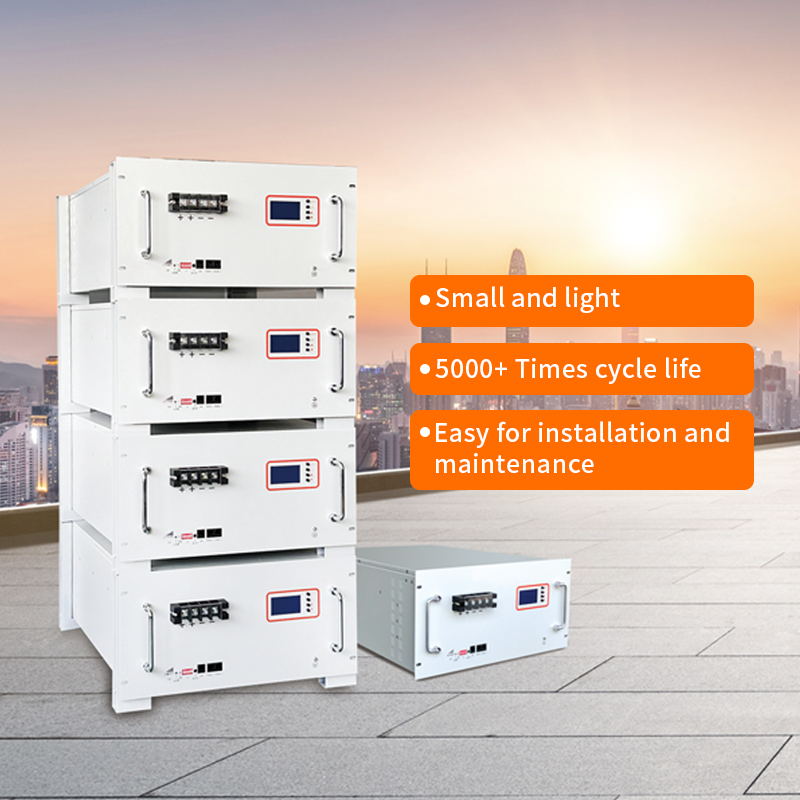
Why these two metrics actually matter
Voltage threshold determines when a battery stops accepting or supplying current; delta-V measures the voltage difference that signals imbalance across cells or modules. Both affect state of charge (SoC) accuracy and long-term cycle life. Tight thresholds and low allowable delta-V prevent cell reversal and reduce depth of discharge (DoD) extremes. That improves usable capacity and lowers thermal events that trigger the battery management system (BMS) to derate the stack.
Common mistakes that crop up in field setups
Teams often copy default settings from an inverter or a vendor manual without profiling the specific string resistance, cable runs, or ambient temperature. They lean on a single SoC reading and ignore delta-V trends until a performance complaint appears. Another oversight: treating every rack the same when cell aging varies. That creates persistent imbalance — and then the remedy becomes brute-force equalization instead of calibration. — A small tuning step early saves a big service call later.
Practical steps to fine-tune thresholds and delta-V
Start with measured baselines: log open-circuit voltage, charging curve, and resting voltage after 24 hours. Use a BMS that reports per-module voltages and cumulative charge/discharge cycles. Increment threshold adjustments in 0.1–0.2 V steps while observing capacity recovery over several cycles. When delta-V trends above your safety band, isolate the contributing module and compare internal resistance; a high IR points to early degradation. Balance options include controlled top-balance, periodic equalization charges, or targeted replacement when IR and DoD exceed acceptable limits. Integrate those steps into commissioning checklists so installers repeat the same calibration at each site.
How commercial systems tie into real-world grid stress
Operators learned hard lessons during recent regional stress events like late-summer rolling outages in California: systems that appeared fine under light load failed to support sustained draw because their SoC reporting and threshold logic were optimistic. Accurate voltage thresholds prevented premature cutouts and helped distributed racks sustain critical loads longer. That practical experience pushed some large-scale installers to prefer rack-type LiFePO4 banks with transparent telemetry and clear delta-V alarms — the kind of commercial battery storage for solar that simplifies diagnostics and reduces on-call hours.
What to watch for during maintenance cycles
Monitor trends, not just snapshot values. A module that drifts a few millivolts daily signals an underlying imbalance before it becomes a performance loss. Keep inverter firmware and BMS profiles aligned; mismatched charge curves produce repeated small equalization events that eat cycles. Record corrective actions and outcomes so the next engineer knows which adjustments returned the rack to nominal behavior. That log becomes the most reliable tool during warranty negotiations or capacity audits.

Advisory: three golden rules for robust performance
1) Measure before you change: baseline open-circuit voltage, IR, and SoC for each module. Those numbers tell you what tuning is safe and effective. 2) Limit delta-V proactively: set alarm thresholds well below the point where the BMS will force cutouts, and schedule equalization before imbalance impacts usable capacity. 3) Favor transparency: choose systems with per-module telemetry and a BMS that exposes charge/discharge cycles, SoC drift, and voltage histograms — that data reduces guesswork and service hours.
Installers who adopt these rules save downtime and extend cycle life, which is why many field teams rely on practical, rack-based solutions like those from gsopower. —