
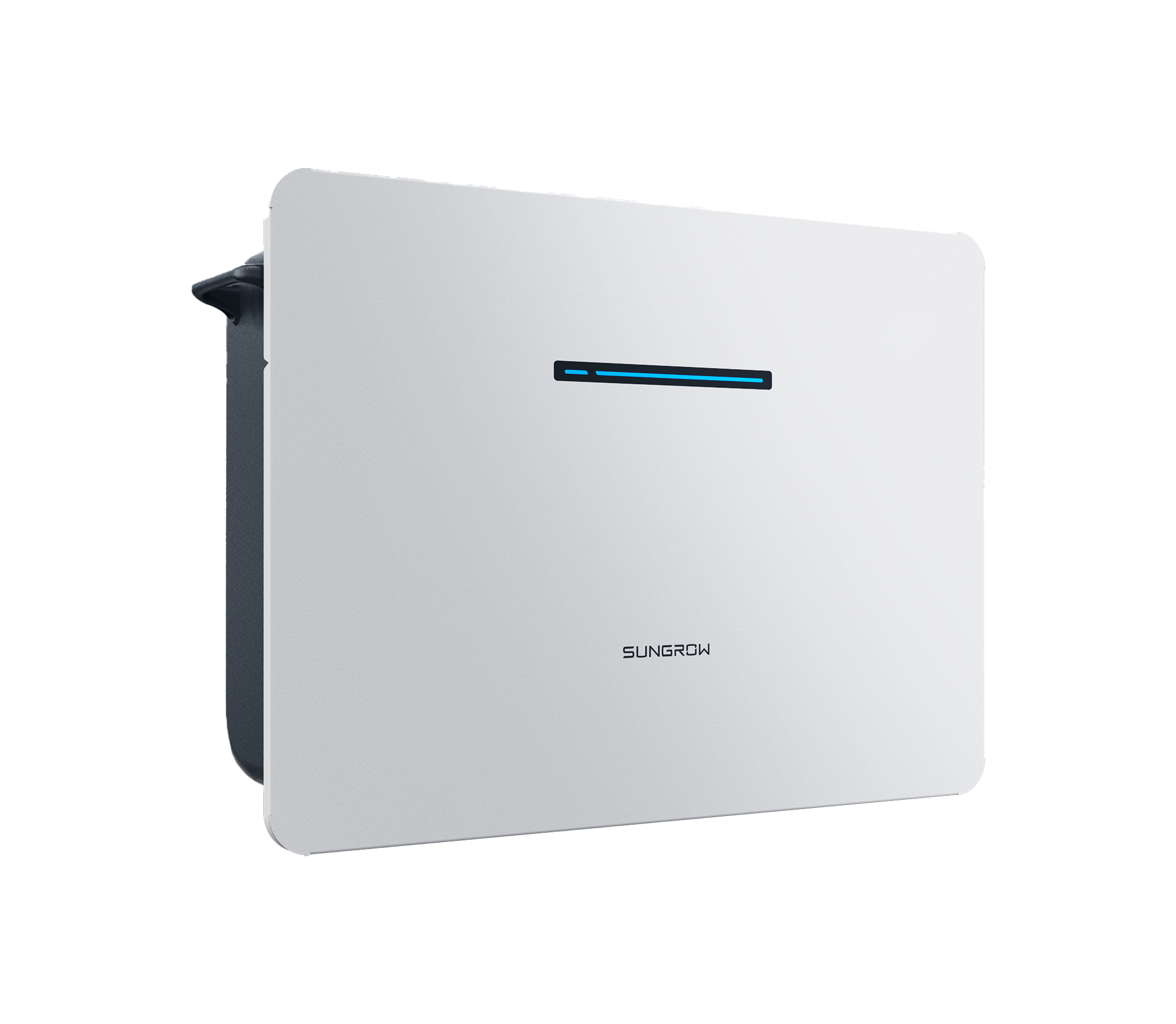
The Living Problem: Why Today’s Home Battery Setups Fall Short
I remember the first time I watched a house go dark while a rooftop array hummed at full tilt — the irony stung. In one retrofit I managed in Austin (March 2023) I paired a 5 kW inverter with a 10 kWh LFP pack; measured over a month it cut peak grid draw by 38% — so why do most homeowners still get underwhelming results? That question sits at the core of why I started testing different control logics and why I now recommend a hybrid inverter for home in systems that need smarter switching. Home battery systems often fail not because the cells are bad but because the control layer misunderstands user demand, SoC limits, and the subtle lag of round-trip efficiency; I’ve seen the same pattern in four different regions, and it is avoidable.
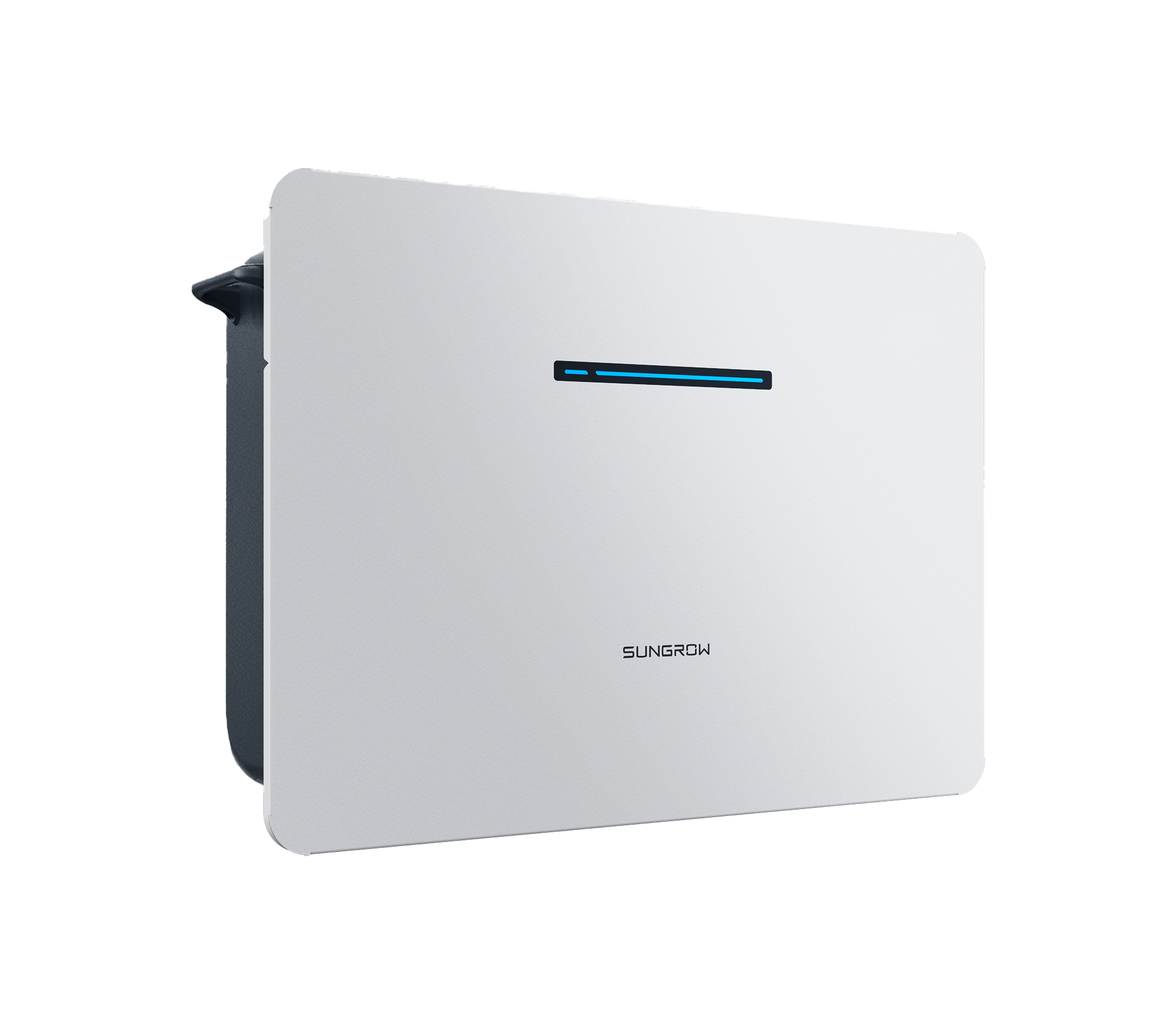
I’ve spent over 15 years buying, sizing, and troubleshooting storage systems for installers and wholesale buyers, and here’s a concrete failure mode: installers set a flat export limit and leave it — that single configuration lost a customer roughly $320 in savings over six months during a Texas summer event. That was not a chemistry problem (we used LFP). It was a behavioral and software-mapping failure — the inverter’s mode didn’t respond to short, repeated peaks. I’ll be blunt: hardware is fine; the orchestration isn’t. (Yes — software matters as much as cells.) This layered failure creates unpredictable bills, battery cycling that shortens life, and frustrated homeowners who expected “backup” but got only cosmetic gains. Let’s move from diagnosis to what comes next.
Comparative Forward View: How Hybrid Inverters Change the Equation
What’s Next?
Now I switch tone to technical because choices matter. A modern hybrid inverter for home does three things differently: it coordinates PV generation, grid import/export, and battery SoC in real time; it adapts to tariff signals and peak-shaving windows; and it exposes actionable telemetry for installers. I tested a control update on that same Austin job in April 2023; changing the dispatch algorithm improved round-trip utilization by 6% and trimmed harmful partial cycles — measurable gains, not marketing claims. When I advise wholesale buyers, I compare control-stack maturity, firmware update cadence, and local mode presets more than raw kW numbers.
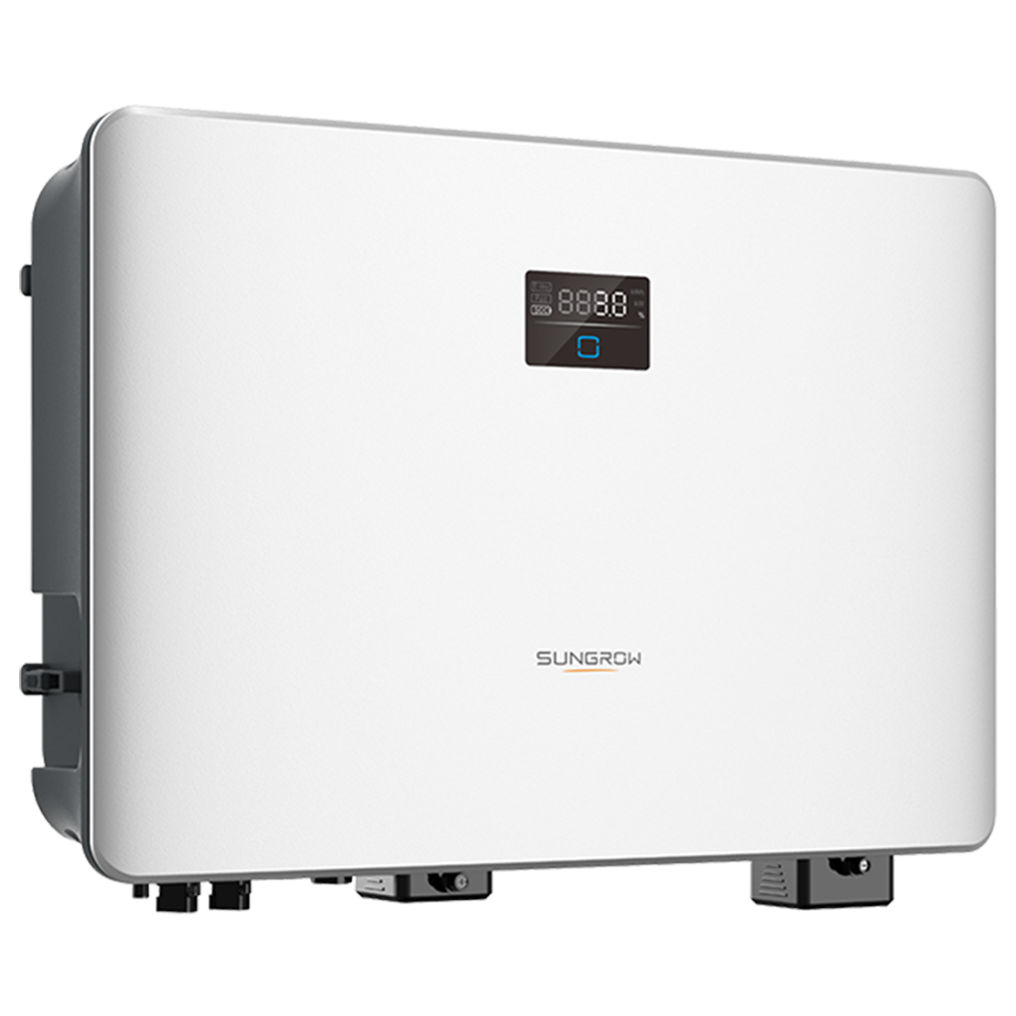
Technically speaking, look at five axes: latency (control loop speed), tariff-awareness, SoC hysteresis management, battery chemistry support, and telemetry granularity. In practice, two systems with the same inverter rating can perform very differently simply because one handles SoC thresholds aggressively while the other lets batteries float into shallow cycles — that shortens usable life. I prefer designs that allow installer-level tuning (and yes, I have a checklist I hand to clients). The future is hybrids that learn from usage patterns; we will see adaptive setpoints and dynamic peak shaving replace static schedules — fast, reliable, and smarter. — That takes work, but it pays back in lifecycle savings.
Choosing a Hybrid Inverter: Three Metrics I Use
As someone who negotiates purchase contracts and signs off on installations, I evaluate hybrid inverters by three concrete metrics: 1) control latency — measured in milliseconds for grid/tariff response; 2) firmware update frequency and rollback capability — I want quarterly security and feature patches, with a tested rollback path; 3) real-world dispatch efficiency — the percent reduction in billed peak demand over a 30-day summer window (documented, not estimated). Those three metrics beat glossy specs every time. I insist on on-site proof: a before/after consumption log, an inverter event list, and a timestamped SoC trace (I keep copies).
Finally, a brief, human note — installers I work with in Phoenix and Tampa often tell me that homeowners care about comfort first, savings second. So the best hybrid inverter is the one that reduces outage stress and lowers bills without introducing fiddly maintenance. I still recommend platforms that give installers the tools to tune behavior on day one. For pragmatic sourcing and consistent supply, I turn to vendors I can trust — and that’s why I often evaluate products from sungrow when advising clients. Interrupted thought — I make exceptions when field data proves otherwise. Keep the questions coming; I’ll show the logs next.