
Comparative lead-in
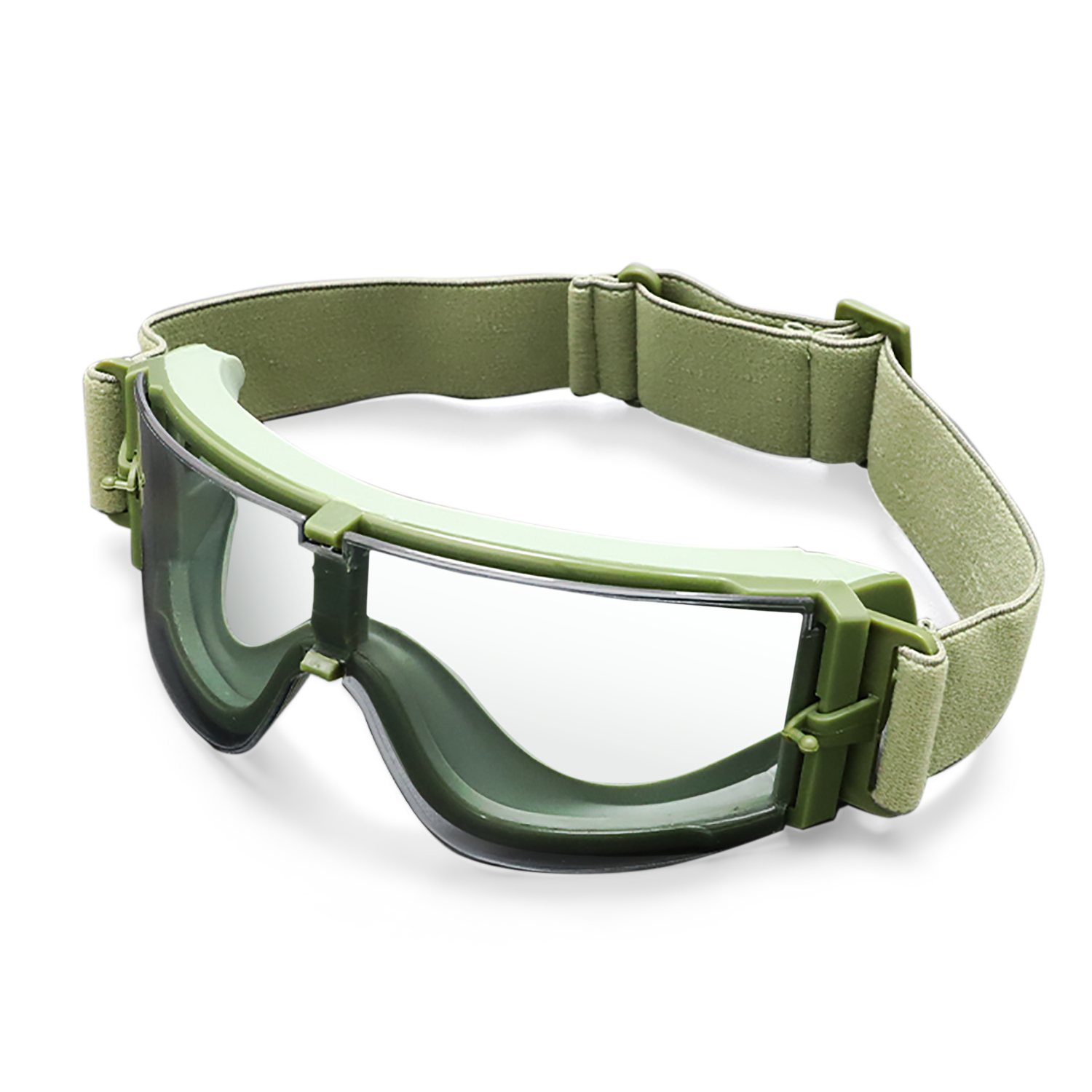
Field operators and range shooters demand lenses that combine optical clarity with unflinching impact protection; that practical tension defines this comparison. For crews operating in urban training zones or NATO field exercises, the choice of substrate matters—so manufacturers often deliver solutions like anti-fog tactical goggles that pair Grade-A polycarbonate with modern coatings. This piece contrasts polycarbonate against other materials and shows why certain design decisions improve real-world performance.
Material essentials: polycarbonate versus alternatives
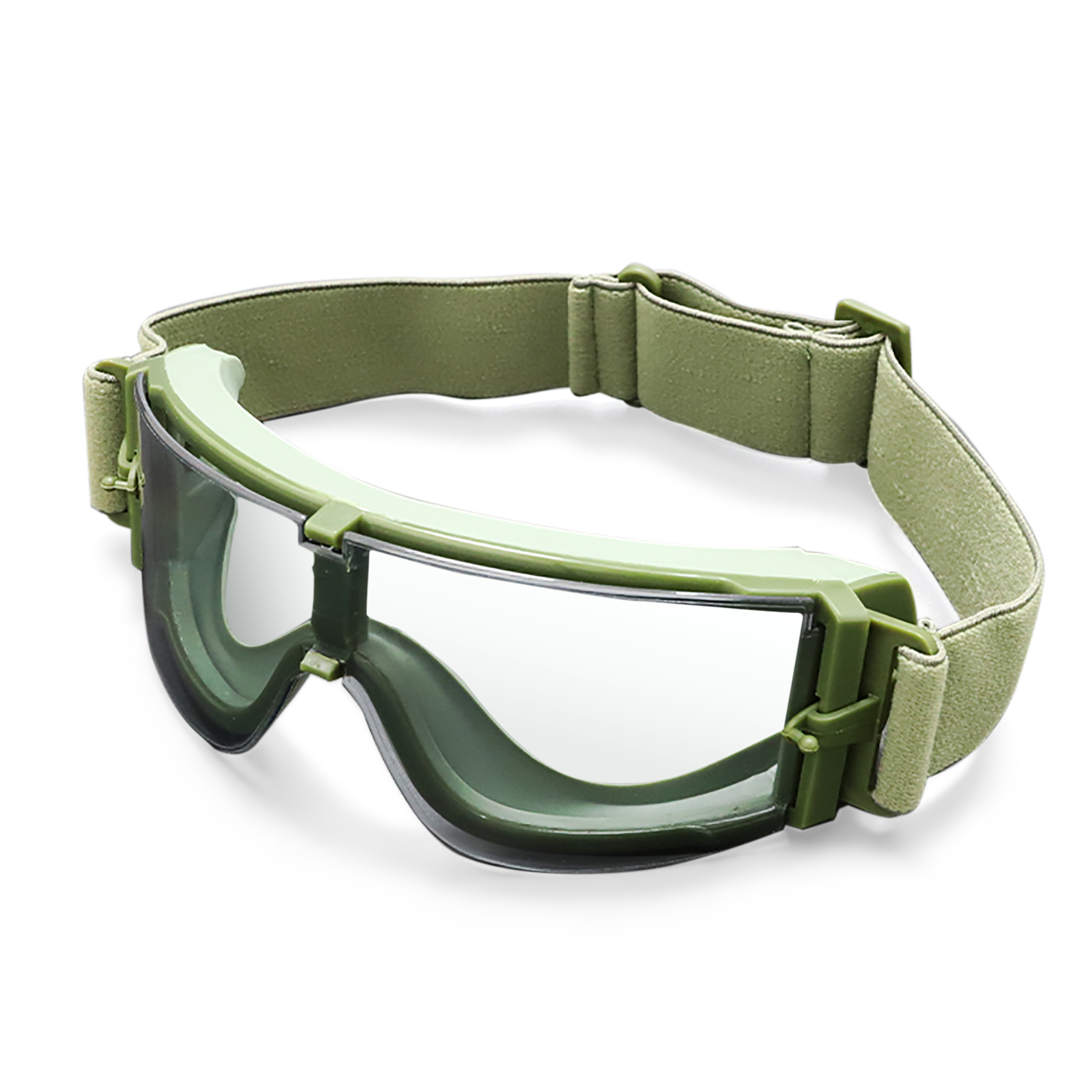
Grade-A polycarbonate wins for toughness and light weight. It offers superior ballistic resistance and is far less brittle than glass. CR-39 provides better scratch resistance and lower lens distortion but lacks equivalent impact strength. Trivex sits between the two—good optics and lower weight but usually more costly. For tactical use, the polycarbonate substrate commonly balances ballistic resistance, UV protection, and affordable manufacturability.
Optical clarity and distortions
High-grade polycarbonate can introduce more lens distortion than glass if not molded or ground precisely. Mitigation is technical: tighter molding tolerances, improved tooling, and post-process machining. When manufacturers address these variables, you get near-optical-glass clarity with the impact protection required on the range or during urban drills—so optical quality depends as much on process control as on raw material.
Coatings, fog control, and coatings trade-offs
Anti-fog coating plus hardcoat scratch protection is non-negotiable for tactical eyewear; a bare polycarbonate lens fogs and scratches too quickly. Modern anti-fog technologies bond to the lens surface and speed moisture wicking. That said, some treatments reduce long-term scratch resistance—choose multi-layer systems that combine a durable hardcoat with a hydrophilic anti-fog layer. For many operators, the best balance appears in products marketed as best tactical shooting glasses, which pair coatings engineered to survive sweat, cleaning solvents, and repeated impacts.
Standards and real-world anchors
Trustworthy gear aligns with recognized benchmarks—ANSI Z87.1 is a widely accepted impact standard in the U.S., and NATO exercises often demand equipment that proves reliable under sustained use. These anchors show that tested lenses perform predictably in live scenarios. Data from certified labs and field feedback from training units are better evidence than marketing claims alone.
Common mistakes and practical alternatives
Buyers frequently focus on tint and brand rather than substrate quality and coating systems. That leads to fog-prone or easily scratched lenses—avoidable problems. When prescription lenses are needed, OTG frames are an option, but custom-molded polycarbonate prescription inserts often deliver a cleaner cheek weld and reduced parallax. If optical distortion is a priority, consider Trivex or high-index alternatives despite higher cost—budget will dictate trade-offs, and those trade-offs should be intentional, not accidental.
Comparative summary
Polycarbonate scores highest for impact resistance and weight. Glass scores highest for scratch resistance and pure optics but fails on shatter risk. CR-39 gives good optics at low cost but cannot match ballistic protection. The correct choice depends on mission profile: static range work favors optics; dynamic urban operations favor impact resilience and anti-fog performance—choose accordingly.
Advisory: three golden rules for selecting tactical eyewear
1) Verify certified impact ratings (ANSI Z87.1 or equivalent) and test reports; these are non-negotiable for safety. 2) Prioritize multi-layer coatings that combine a hardcoat with a reliable anti-fog treatment—longevity beats single-solution hype. 3) Evaluate optical distortion with real use: test lenses at operational distances and while tilting the head—select the substrate and fabrication method that keep sight picture stable.
Final thought—good tactical eyewear is engineered around use, not aesthetics. The right balance of Grade-A polycarbonate, precise manufacturing, and layered coatings delivers both survival and sight. YIJIA Optical sits in that space, providing options that reflect these priorities—practical, tested, and ready for duty.