
Introduction
Ever watched a midnight job run and wondered: is this machine going to make it to morning? I’ve been in enough shops to know the stakes — a CNC turret lathe humming for eight hours straight is the backbone of output, but downtime eats profits fast. Recent shop-floor surveys show that small shops lose an average of 6–8% of production time to minor waits and tool swaps (yes, those add up). So what really decides whether a machine survives the daily grind or becomes a constant headache?
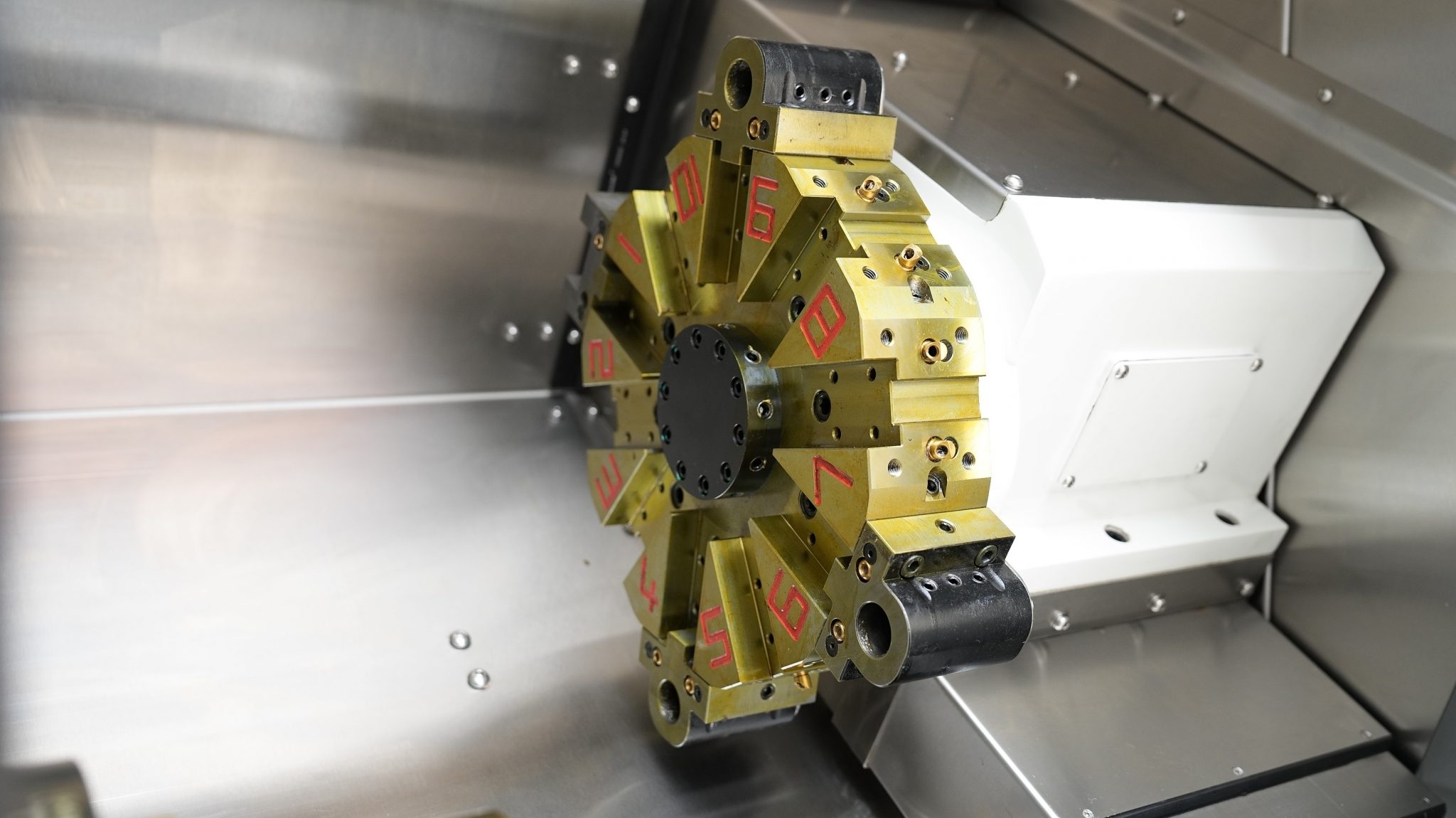
I like to think in gamer terms: uptime is your health bar, tooling is your loadout, and every second you don’t spend swapping tools is a point scored. We’ll unpack real failure modes, design trade-offs, and what I look for before I trust a machine with my shifts. Ready? Let’s roll to the next level — where the nitty-gritty lives.
Where Traditional Solutions Fall Short
Why do older setups fail so often?
When I talk about a horizontal turret lathe, I’m thinking about brute force and repeatability. But old-school builds often trade flexibility for rigidity. Manufacturers historically focused on big spindles and heavy castings. That gave strength, sure, yet it also meant longer changeover times and less adaptive control. In practice, that hurts batch shops where quick setups and nimble cycles matter. I’ve watched shops lose an hour on a part simply because the turret indexing was slow or the tool change required multiple manual steps.
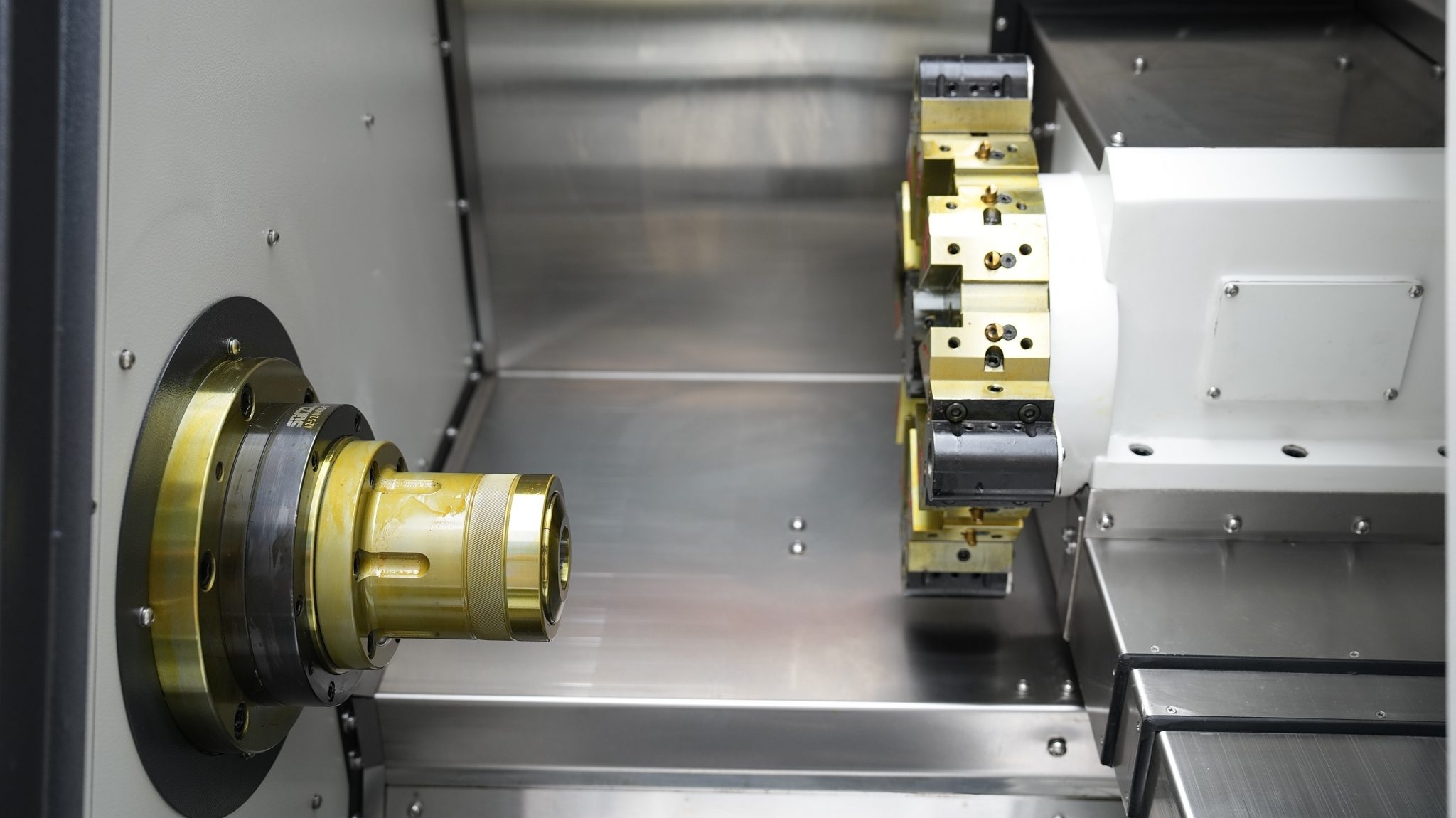
Let me be specific. Common weak spots include poor turret indexing accuracy (you get chatter and scrap), outdated servo drive tuning (lag under load), and crude chip management that clogs coolant paths. Those are not glamorous words, but they’re the ones that cost you. Industry terms like spindle speed, live tooling, and C-axis aren’t just specs on a sheet; they’re the levers that decide part quality and cycle time. Look, it’s simpler than you think: if the control can’t coordinate live tooling with spindle speed, you’ll face rejects and slower cycles. I’ve taken machines apart to trace these issues. The fixes are often a mix of modern motion tuning and modest hardware upgrades. That said, retrofits have limits — some flaws are baked into the frame or the original turret drive, and no amount of software will fully hide them.
Comparative Look Ahead: New Principles and Practical Gains
What’s Next?
Now I switch from diagnosing to comparing. I like to weigh two paths: incremental retrofits versus moving to next-gen systems. New machines prioritize modular components — smarter controls, better servo tuning, and tool turrets designed for fast indexing. For example, a modern quick change tooling system (quick change tooling system) cuts setup time dramatically. In many shops I visit, swapping tooling plates drops fixture time by half. That’s real time saved, not marketing fluff.
Here’s how I compare outcomes: shorter cycle times, fewer operator interventions, and predictable maintenance windows. Those three metrics change the math on shop returns. I also look for integrated diagnostics — simple fault codes and basic telemetry so techs don’t hunt blind. We’ve moved from guesswork to data-driven fixes, and that brings measurable uptime improvements. — funny how that works, right? Still, budget matters. Some upgrades give immediate payback; others are longer bets. I recommend piloting one cell first. If it shows a 10–15% cycle improvement in real production, expand. If not, adjust the plan and try another angle.
Actionable Takeaways: How I Evaluate a CNC Turret Lathe
When I advise shops, I boil evaluations down to three clear metrics. These are practical, measurable, and they reflect the everyday reality of running parts.
1) Cycle Efficiency — Measure real cycle time for your most common part. If a machine shaves even 10% consistently, that’s huge. Don’t rely on spec sheets; run the part. 2) Changeover Time — Time the full tool change and setup with real operators. A modular quick change tooling system can cut that time drastically. 3) Diagnostic Clarity — How fast can your tech find a fault? Machines that show clear error causes and simple telemetry save hours. I trust machines that help my team learn from errors fast.
In the end, I choose machines that let me sleep through the night: robust turrets, predictable servo drives, and tooling systems that don’t require a small army to set up. If you want a practical partner for that decision, check out what brands like Leichman offer — they design with these trade-offs in mind and make choices that respect real shop rhythms.