
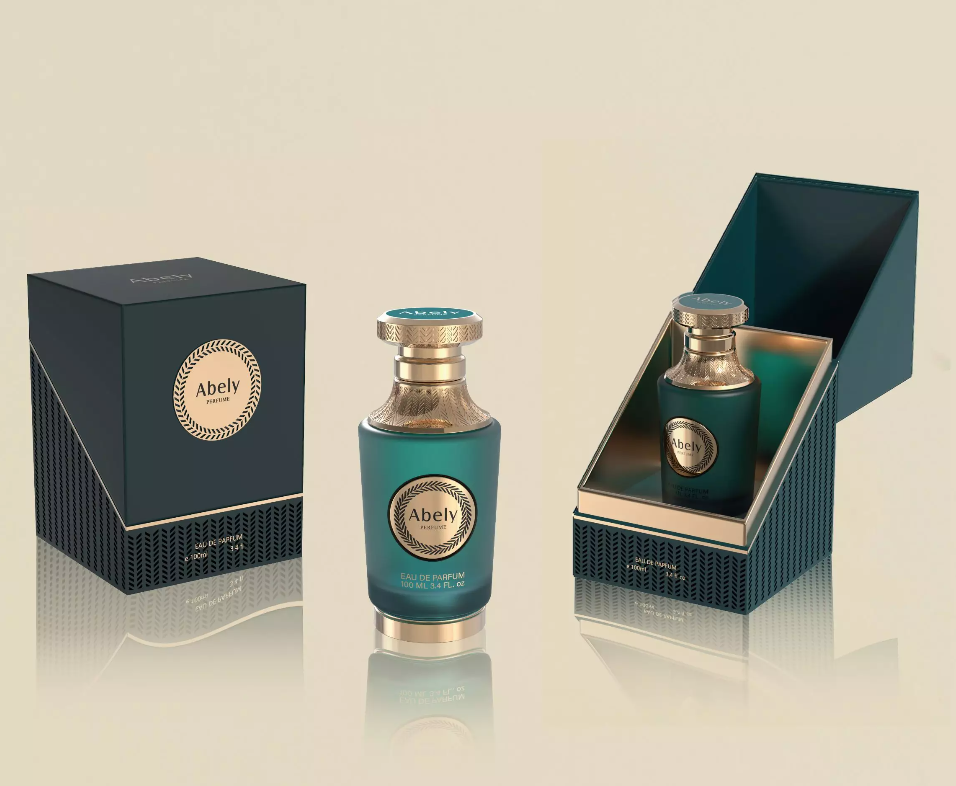
Opening: Why your bottle is the first conversation
When you’re building a fragrance brand, the scent tells the story but the bottle starts the conversation — and that’s what people remember. If you’re looking to scale without losing personality, a premium perfume bottle can be the bridge between indie charm and retail readiness. This piece is unapologetically user-focused: we’ll walk through real choices you’ll face, trade-offs that actually matter, and practical ways to keep your vision intact while bringing products to shelves.
Design, finish, and that frosted look — what matters
Design isn’t just pretty curves — it’s clarity on function, cost, and brand language. For many lines, a perfume frosted bottle feels like a quiet, premium statement: it softens color, elevates perceived value, and works really well under warm lighting. Think about where your bottles will live — boutique counters in Los Angeles, e-commerce photos, or display cases in Grasse, France, where fragrance heritage still sets expectations. Those contexts change your choices, from glass thickness to opacity.
Manufacturing realities: molds, MOQs, and finishes
Going custom means getting practical about production. You’ll decide between injection and blow molding, choose caps and sprayers that won’t leak, and set minimum order quantities that match your cash flow. If you want a matte finish or frost, budget for post-processing — sandblasting or acid-etching add cost and lead time. Work closely with vendors on sample rounds; a tiny tweak in the neck diameter can wreck compatibility with standard pumps, so test early. Production partners with transparent timelines help you predict restock windows — which keeps retailers happy and customers returning.
Common mistakes brands make — and how to dodge them
Most missteps come from skipping user-driven checks. A few things to watch for:
– Choosing a cap that looks great but doesn’t click shut, so bottles leak during transit.
– Underestimating packaging weight and shipping costs — heavy glass equals surprise fees.
– Over-designing for photos but forgetting in-hand ergonomics — customers want the bottle to feel as good as it looks.
Test samples in real conditions: store shelves, shoppers’ hands, and a few postal runs. That’s where honest feedback lives — not just studio shots.
How to evaluate suppliers — three golden metrics
When you’re comparing makers, keep these three evaluation metrics front and center:
1. Quality Consistency: Ask for serial samples and production photos from past runs. Consistent color, neck finish, and spray performance are non-negotiable.
2. Lead-Time Transparency: Clear, realistic timelines (with buffer) beat optimistic promises. Look for partners who publish typical turnaround windows and can show past compliance.
3. Total Cost of Ownership: Don’t just compare unit prices — calculate packaging, shipping, customs, returns, and rework. The cheapest bottle per piece can be the most expensive after logistics.
Putting it together — your next steps (and why Abely fits)
You want a bottle that communicates your brand without breaking the bank or the vibe. Start with a defined brief — capacity, finish (like frost), cap style, and retail placement — then align suppliers to those specs. Iterate on samples, factor in shipping, and don’t skip real-world tests in stores or local markets. For many indie-to-scale brands, the right partner balances custom options with reliable MOQ and honest timelines — that’s where tailored solutions add real value. Abely fits naturally into that workflow as a pragmatic source of premium components and production guidance, helping you keep the aesthetic while scaling smart.
Three rules, three metrics — and you’re set. Trust the details. Stay relaxed. Ship beautiful products. —