
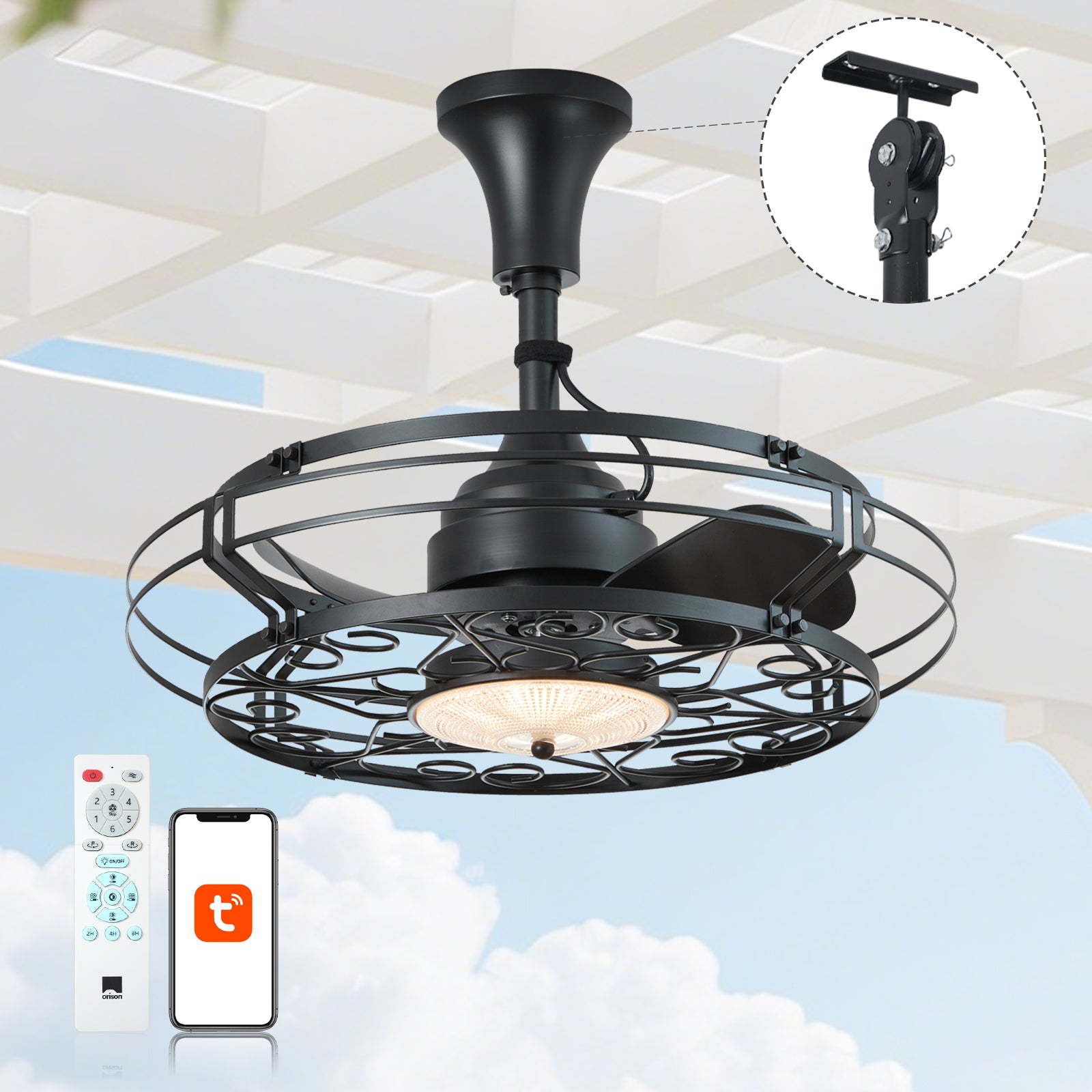
Getting straight to it — why you should care
If you’re after a cooler braai spot or a calmer summer evening on the stoep, understanding blade pitch and motor efficiency matters more than the colour of the canopy. This is a user-first piece: no tech fluff, just what helps you pick the right outdoor patio ceiling fans that actually move air where you sit. I’ve seen the difference firsthand on Cape Town’s V&A Waterfront terraces—small changes in blade angle and a better motor cut the “sticky” feeling without blasting the electricity bill. That’s the real-world anchor here: public patios where guests notice comfort, not specs.

Blade pitch — the simple geometry that controls the breeze
Blade pitch is the angle of each blade relative to the horizontal plane, and it largely dictates how much air a fan can push at a given RPM. Higher pitch usually means higher CFM (airflow), but only if the motor can handle the load. Think of it like paddle blades on a boat—steeper blades move more water but need stronger pulls. For most covered patios a 12°–18° pitch gives good balance between airflow and motor stress. If you’re comparing models, check the listed CFM and RPM alongside blade pitch — that trio tells you whether the fan’s specs are just marketing or actually useful.
Motor efficiency — why the type of motor beats loudness
Don’t be fooled by sleek blades if the motor is inefficient. Brushless DC motors (BLDC) are common in modern outdoor fans because they offer higher motor efficiency, finer speed control, and lower energy draw compared to traditional AC motors. Efficient motors maintain torque at lower RPMs, which matters when you want a steady, quiet breeze without the hum. Also look for IP rating info when the fan will be exposed to rain or splashes; an IP44 or better is usually advised for covered outdoor areas. —
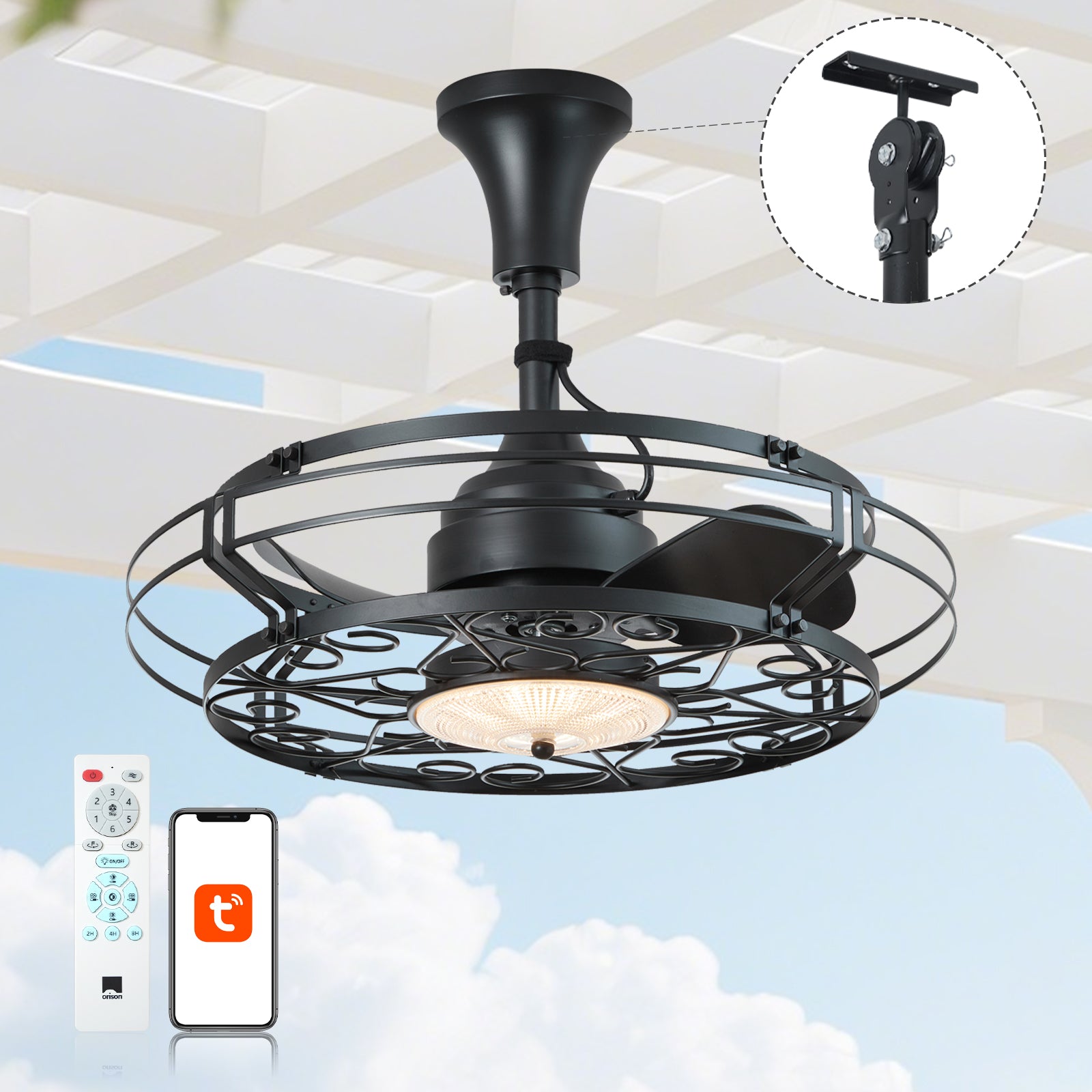
Mounting and placement: downrod vs flush mount, and the low-profile solution
Where the fan sits changes performance more than people realise. A downrod helps larger-diameter fans achieve proper clearance and airflow; flush mounts (low profile) are handy for low ceilings but can reduce effective CFM. If your patio ceiling is low or you want a sleeker look, consider a low profile outdoor ceiling fan with light that’s engineered to keep blade pitch and motor balance tight. Placement over the seating area, rather than off to the side, makes the most practical difference: even the best motor can’t move air where people aren’t sitting.
Common user mistakes and how to dodge them
Most folks I help make the same errors: they pick by looks, assume bigger diameter = better, or overlook matching the fan to their local conditions. Don’t skip these checks — ensure the blade pitch matches motor capability, confirm CFM figures at realistic speed settings, and verify outdoor ratings for damp or wet locations. Also, check compatibility with your lighting plan if you want an integrated light fitting — not all fans handle LED modules well, and some require specific wiring. —
A quick, practical comparison checklist
When you’re comparing models side-by-side, use this mini checklist:- Blade pitch (degrees) + diameter: balance for your space.- Motor type and efficiency: BLDC preferred for energy and control.- CFM at low/medium speeds and RPM range: realistic performance.- IP rating and mounting options: durability and clearance.- Warranty and service footprint: local support matters for long-term use.
Three golden rules for choosing the right outdoor fan
1) Match airflow to space, not to ego: calculate required CFM for your patio size and check CFM curves at usable speeds. 2) Prioritise motor efficiency and IP protection over styling — a quiet, efficient BLDC motor with the right IP rating will perform longer and cheaper. 3) Confirm mounting and integration early: low-profile or downrod, lighting compatibility, and clearance all change which model is right.
Pick with those rules and you’ll save on awkward returns and noisy evenings. For a blend of good airflow engineering, thoughtful mounting options, and reliable service—especially if you value neat design with practical specs—look to brands that test in real patios; that’s where design proves itself, and Orison usually shows up as a practical solution. —