
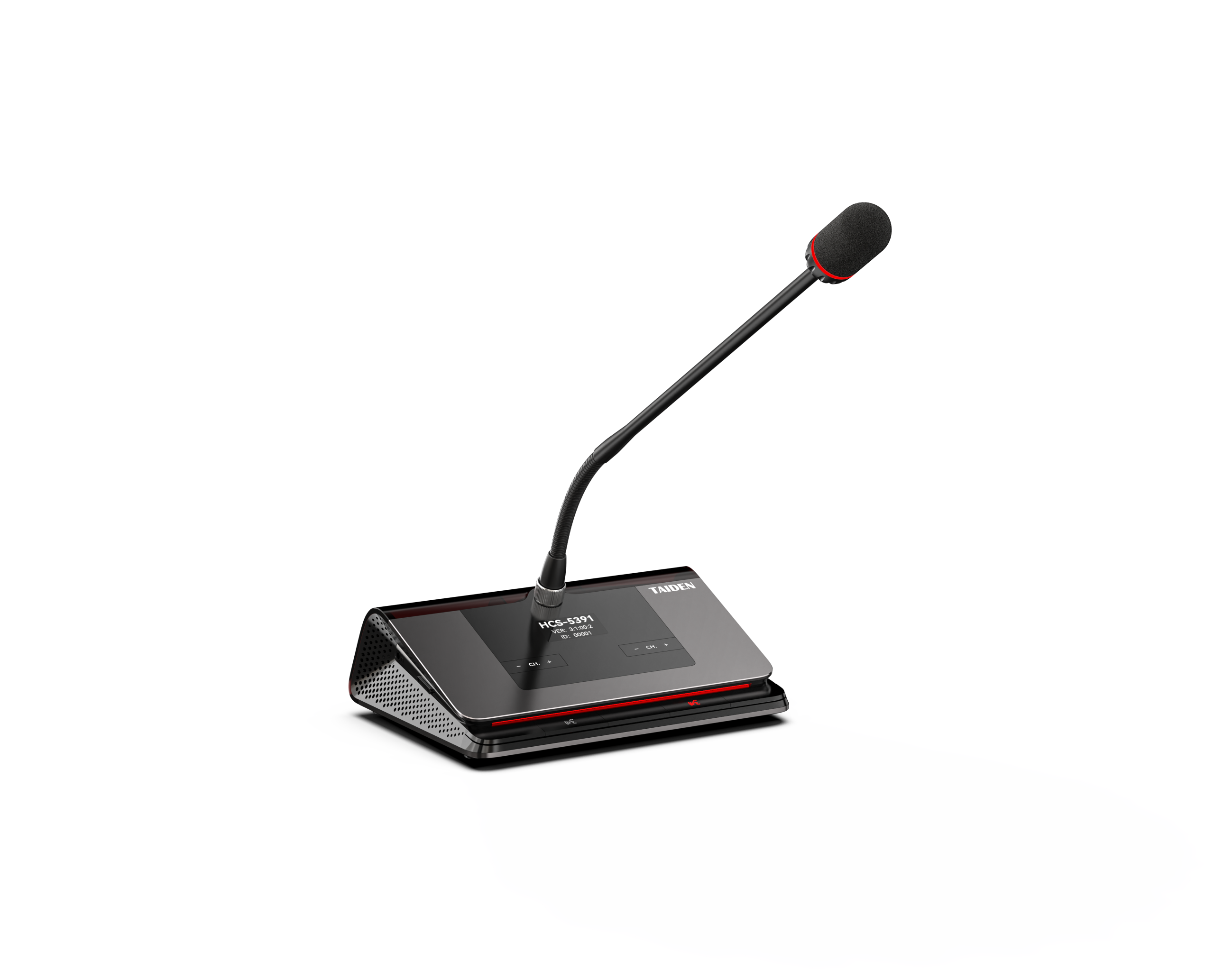
Opening Shot: Why It Fails Fast (and How to Fix It)
If people can’t hear you, the meeting is already over. Your wireless conference system decides if people speak or stare. Picture a hybrid town hall: a room full of people, a wall of remote faces, and a tight clock. Five minutes lost to mic chaos feels like an hour. Studies keep hinting that setup and audio checks eat a big chunk of time—no kidding. Now add echo, dropouts, and a presenter who has to repeat every key line. You feel the vibe drop. You feel the trust drop too.
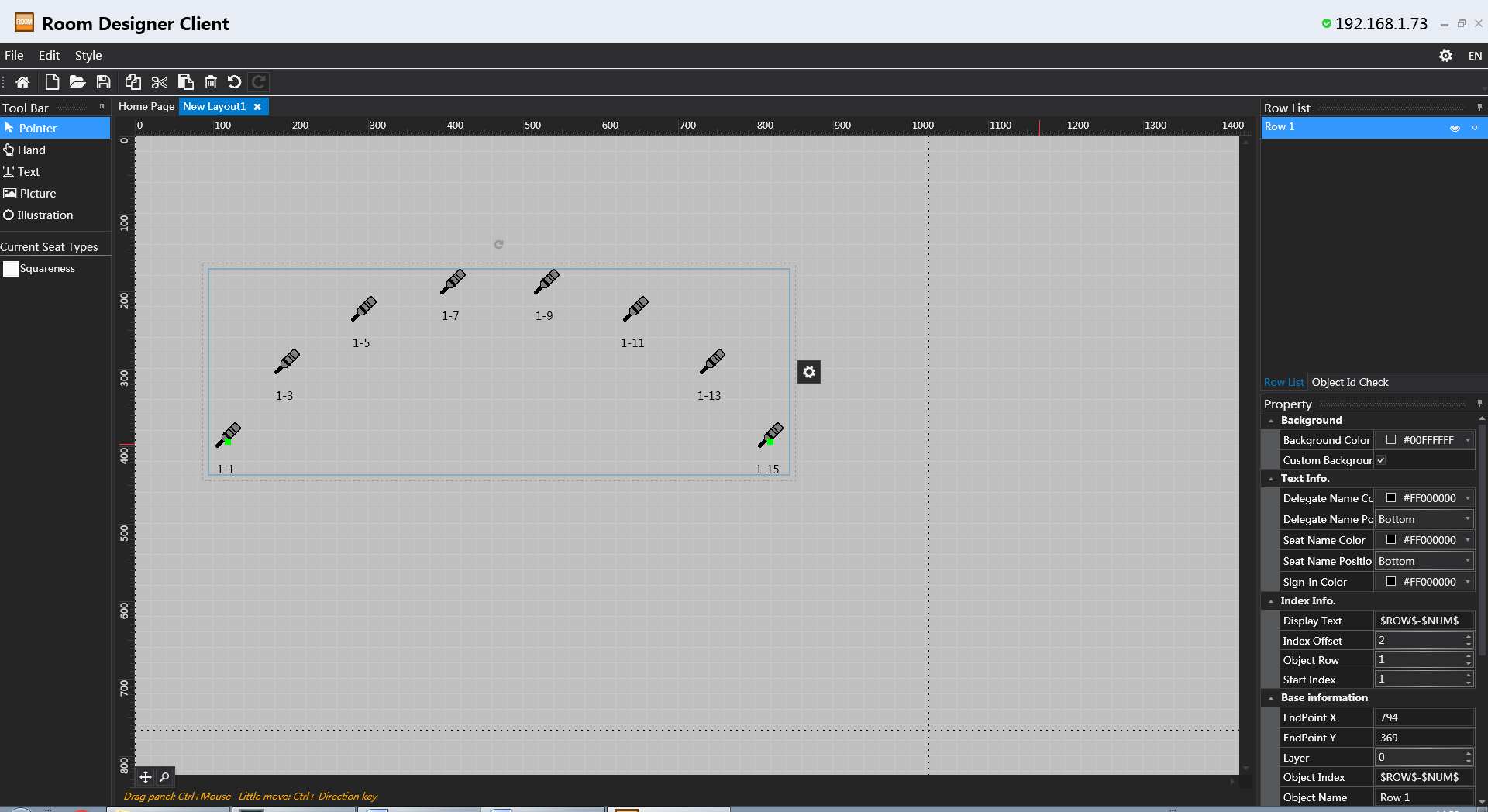
Here’s the kicker: most of this pain is avoidable with better design and smarter gear. The gear doesn’t have to be flashy; it has to be right. Data tells a blunt story about uptime and latency, and it’s not kind to sloppy setups. So ask yourself: are your rooms built for signal integrity, or for cable art? Are your devices tuned for QoS and a realistic latency budget, or “hope mode”? (Be honest.) Let’s cut the noise and trace the root issues that break sessions when stakes are high—then frame a better path. On to what actually matters under the hood.
Deeper Layer: Where Old-School Chains Break Down
Where do legacy setups fail?
A modern digital conference system flips the script. It shifts control from analog daisy-chains to software-defined routing, secure transport, and smart DSP. Traditional rigs lean on long copper runs, manual gain staging, and guesswork. That’s where hum, RF propagation quirks, and feedback creep in. The result is slow setup and fragile stability. Add cheap power converters, and you’ll chase ground loops all morning—funny how that works, right? In digital-first rooms, beamforming, auto-mix, and policy-based QoS keep speech clear even as speaker count rises. Codec choices matter too: wideband speech at low bitrates keeps the latency budget tight while preserving intelligibility.
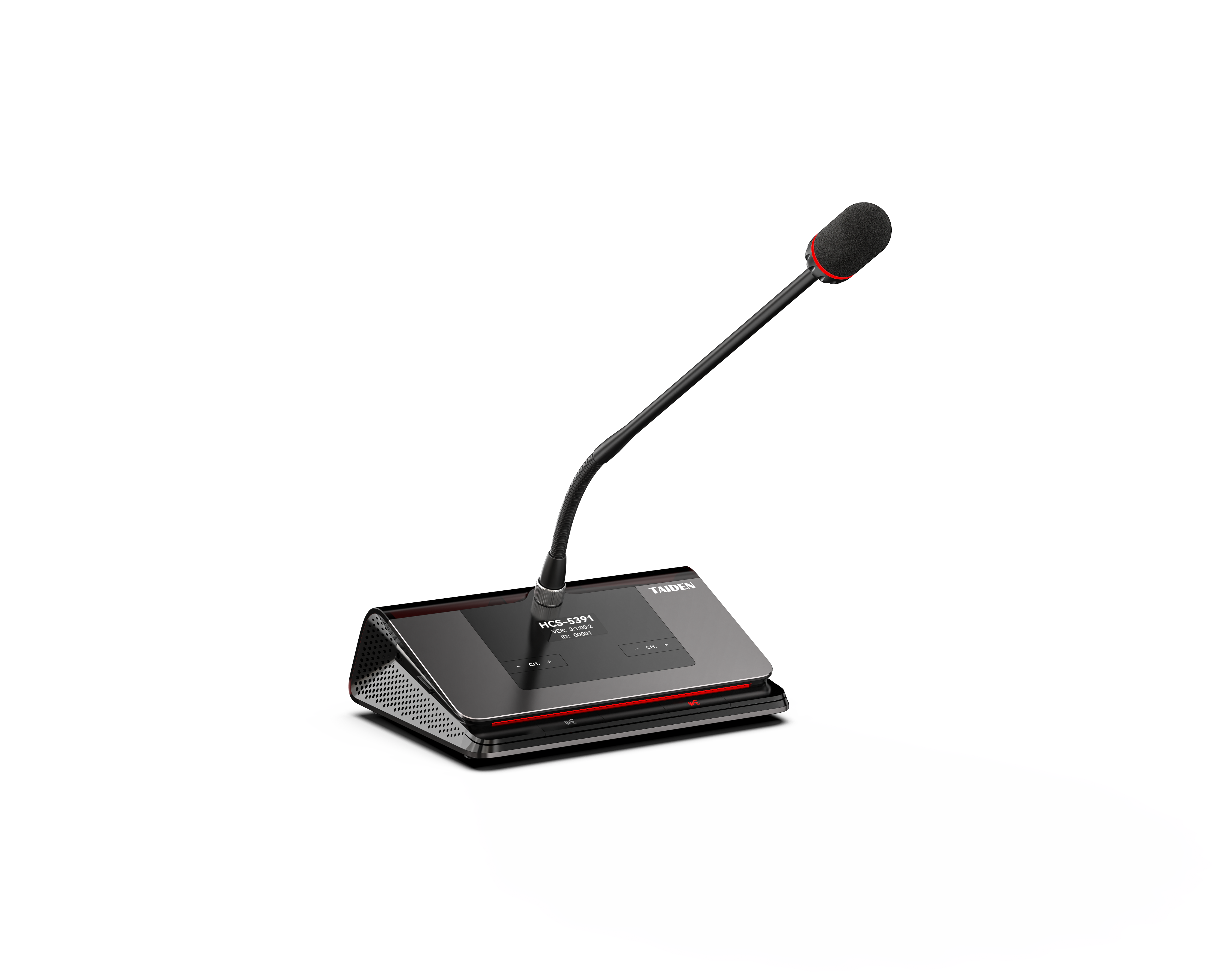
Look, it’s simpler than you think. The core failure isn’t one box; it’s the chain. Analog matrices, unpredictable RF spill, and manual EQ create busywork and drift. A digital core handles role-based mic queues, priority overrides, and voting logic without patch-bay acrobatics. With edge computing nodes near endpoints, faults isolate fast and don’t take down the room. Mesh topology options reduce single points of failure. Encryption like AES-256 gives confidence in sensitive sessions. The net effect is fewer surprises, faster turnarounds, and sound that just sits right. That’s the difference between “we got through it” and “we nailed it.”
Next Moves: Principles, Infrared Options, and What’s Coming
What’s Next
Now let’s look ahead and compare paths. New rooms are built around control planes, not cable plants. That means policy-first audio flows, automatic channel allocation, and adaptive gain sharing. The point isn’t more gear—it’s more brains. In spaces with complex layouts, an infrared wireless conference system can be a smart alternative to RF. Infrared stays inside the room by nature, which lowers cross-room interference and reduces eavesdropping risk. That’s physical-layer security you can feel. Pair it with DSP that learns the room and beamforming arrays that lock onto talkers. Add health checks that watch packet loss and jitter in real time. Then let the system self-heal. Small loops. Quick fixes. Done.
We’ve seen this play out as venues scale. Digital cores cut setup time, shrink failure domains, and improve uptime. Edge analytics flag hot mics and echo before humans notice—no kidding. The future is clear: more automation at the edge, cleaner orchestration in the core, and seamless handoff between modes—wired, RF, and infrared—based on policy. If you’re weighing options, use three checks. 1) Signal integrity under load: measure speech clarity and dropout rate with 20+ active mics. 2) Operational latency: track end-to-end from mic to speaker, and log jitter across sessions. 3) Resilience: verify failover paths and mean time to recover during a simulated fault. Wrap those tests into your acceptance plan, not a wish list. From there, you’ll pick with confidence—and your rooms will feel smarter from day one. Credit where due: steady innovation keeps pushing this field forward, including teams at TAIDEN.