
The problem that wakes you at 2 a.m.
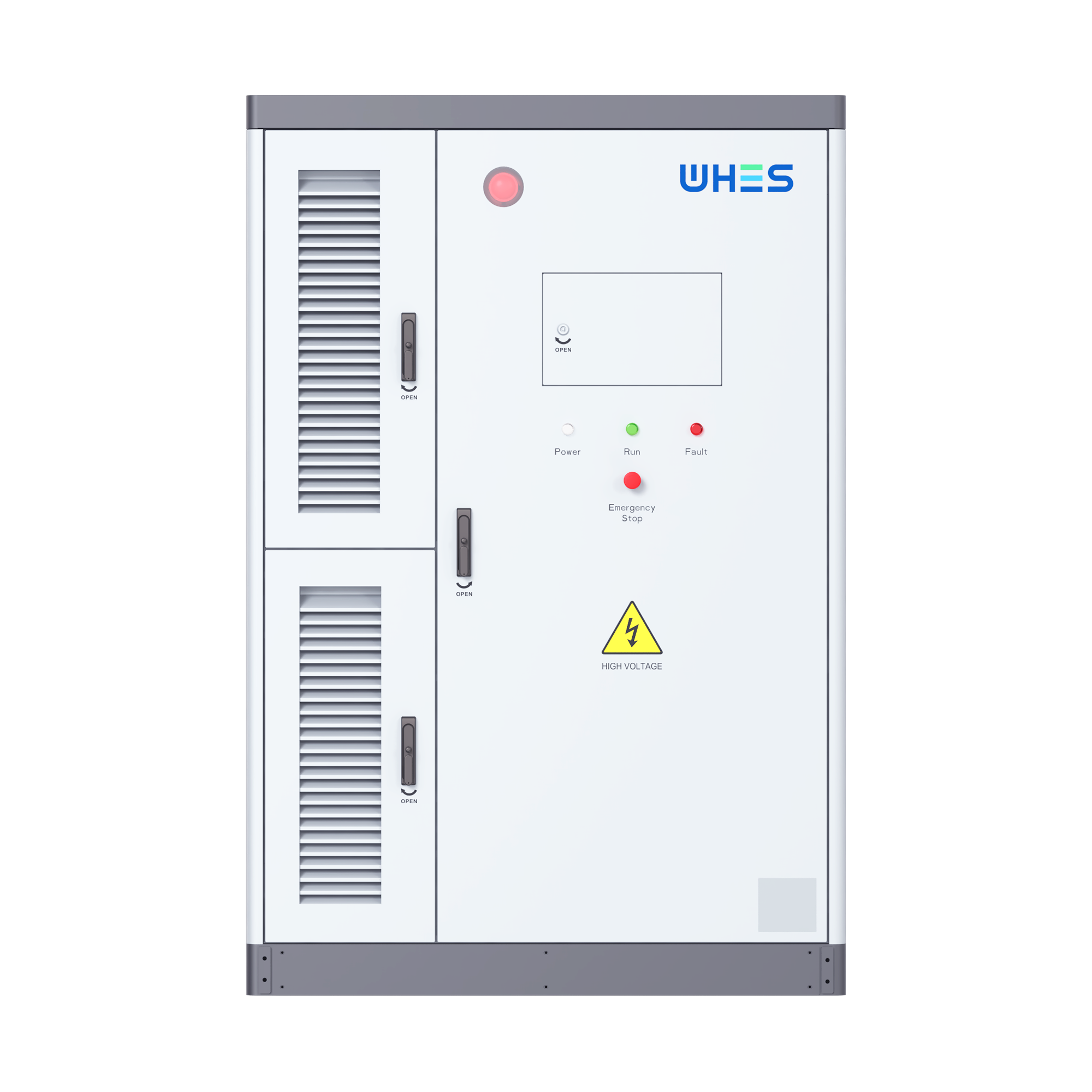
Grid disturbances—tiny, fast voltage dips and surges that manifest as flicker or momentary outages—are no longer rare. They ripple from overloaded feeders, extreme weather, and rapid renewables ramping. For commercial sites and microgrids, the cost is real: lost production, tripped protections, unhappy customers. A problem-driven view asks a simple question first: what stops those disturbances at source? One practical answer is factory-direct commercial battery energy storage, and you can assess that by looking at an all in one energy storage system designed for site-level stability.
Why LFP chemistry matters for stability
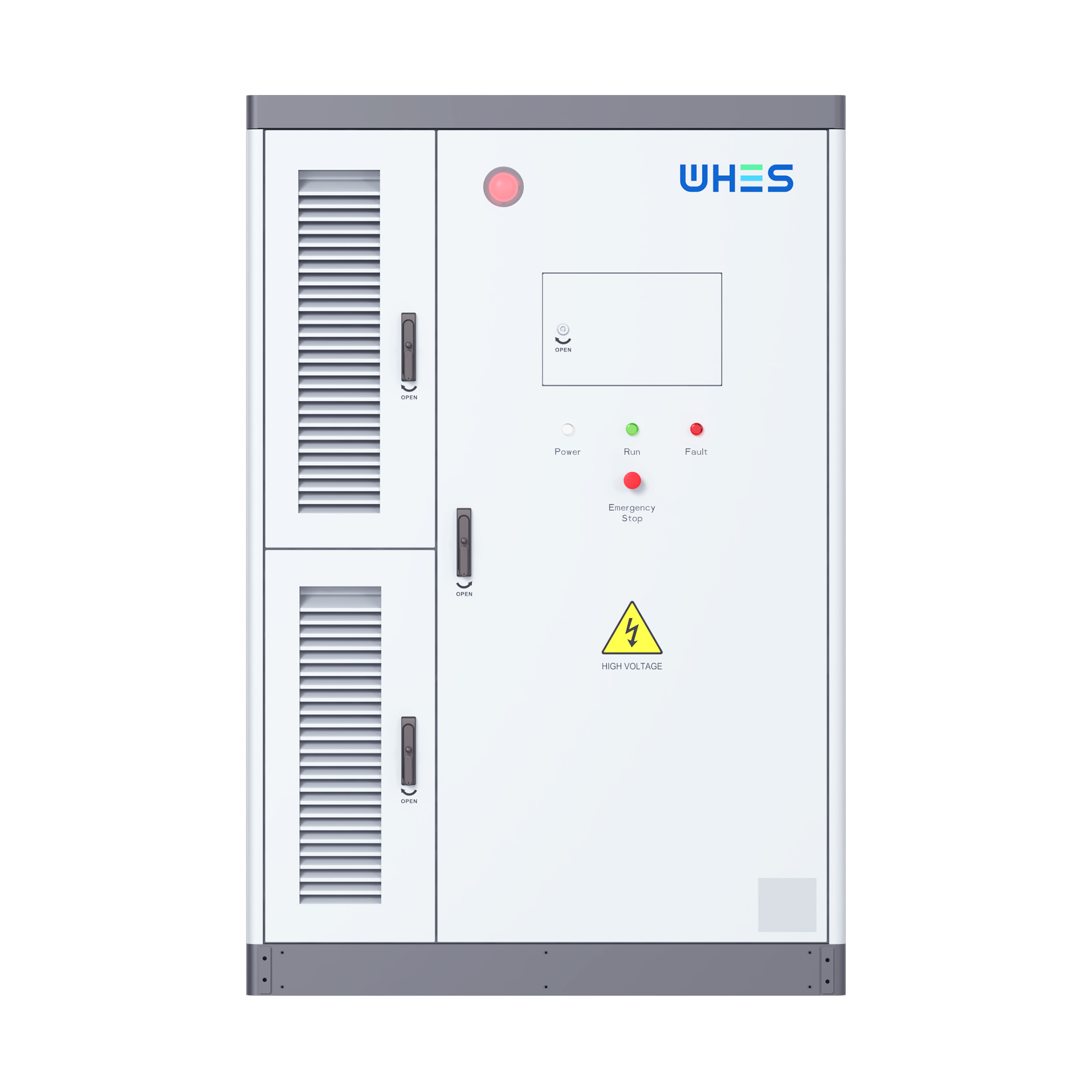
Lithium iron phosphate (LFP) batteries are intrinsically stable. Compared with some chemistries they tolerate higher charge/discharge rates and thermal stress with less capacity fade. That chemical resilience translates into predictable response when a BESS is asked to inject or absorb power quickly—important for damping short-lived voltage anomalies. LFP also pairs well with modest depth-of-discharge (DoD) strategies to extend life while giving operators headroom during disturbances. In short: chemistry buys you reliability.
Factory-direct BESS: reducing latency and improving coordination
Buying factory-direct commercial BESS units reduces integration surprises. Pre-configured controllers and tuned battery management systems (BMS) arrive with tested control logic for frequency and voltage support, cutting field-commissioning time. That means faster, deterministic responses to sudden load steps or generator trips. When units are factory-integrated—cabinet, inverter, BMS, and thermal management—there’s less chance of mis-matched firmware or communication lags that can worsen a photonic-level flicker event.
How a stabilized system prevents photonic-level grid disturbances
Think of a disturbance as a very short-lived imbalance. A well-tuned BESS supplies or absorbs that imbalance in milliseconds, preventing lights from dimming or sensitive equipment from resetting. Fast inverter control, low internal impedance of LFP cells, and an attentive BMS combine to arrest the transient before it propagates across the feeder. Field-proven systems also include ride-through settings and anti-islanding logic so the response is both rapid and safe for maintenance crews—small things that mean big reductions in operational interruptions.
Real-world anchor: lessons from grid stress events
The February 2021 winter storm in Texas showed how fragile supply can be when supply and demand go out of step; millions were left without power for days. Since then, many commercial operators have invested in resilient on-site storage to keep critical processes alive during grid stress. Utility reports and industry analyses repeatedly point to storage-plus-inverter response as a primary mitigation for short-duration events. This is not hypothetical—it’s a measured reaction to real outages and a practical acceptance that distributed stability matters.
Common mistakes to avoid when specifying a BESS
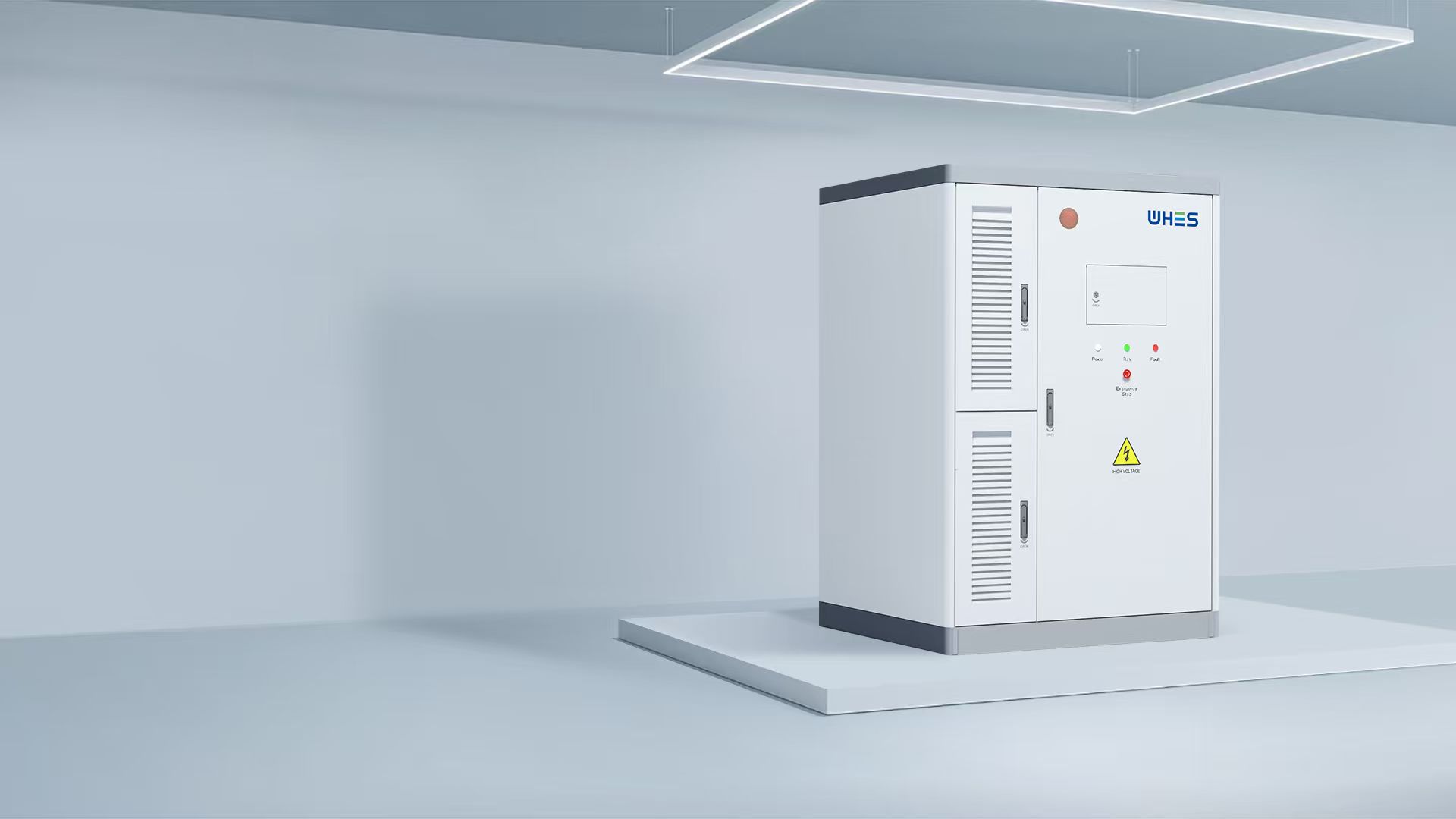
Specifying storage for stability sounds simple, but three mistakes recur: underestimating thermal constraints, assuming default BMS settings meet your use case, and overlooking inverter control bandwidth. These lead to either conservative operation that defeats the point or systems that can’t respond fast enough. Test with actual load steps during commissioning—don’t rely solely on factory numbers. And insist on documented acceptance tests connected to your protection schemes. —
Alternatives and trade-offs
There are options beyond factory-direct LFP BESS. Centralized utility-scale batteries, flywheels, and synchronous condensers each offer grid services. Flywheels excel at very high-power, short-duration rides; synchronous condensers provide inertial support. But for many commercial sites, factory-integrated LFP systems strike the best balance of cost, safety, and response time. If solar is part of the mix, an all in one solar battery system that coordinates PV, inverter control, and storage can limit disturbances from rapid PV output swings and give you a unified control plane.
Implementation checklist—practical steps for decision-makers
• Define the disturbance profile you care about: milliseconds, seconds, or minutes. • Specify response time and sustained power needs, not just energy capacity. • Require factory acceptance tests and supply commissioning scripts that include real load steps. • Clarify warranty terms tied to cycling and temperature regimes. These steps prevent vendor promises from becoming field frustrations.
Three golden rules for selecting a stability-focused BESS
1) Measure response, not just capacity: insist on inverter and BMS latency metrics under realistic conditions. 2) Prioritize integration: choose factory-integrated systems to reduce communication and firmware mismatch risks. 3) Design for life: use realistic DoD and thermal margins to ensure the system can perform throughout its expected cycles.
Choosing storage is, ultimately, a practical act of stewardship—of assets, people, and operations. For commercial operators seeking calm and certainty in a noisy grid, factory-direct LFP solutions deliver a quietly effective answer, and that is why many turn to integrated providers like WHES. —