
Introduction — A Machine at Midnight
I remember standing under the cold light of a shop floor while a turret lathe hummed like a ship’s reactor—steady, precise, relentless. By the second sentence I can tell you this: turret lathe manufacturers report that nearly two-thirds of small-to-medium shops still run machines that are over eight years old, and those numbers shape upgrade choices and downtime risk. So what happens when a decade-old spindle meets modern parts demand, and how do we decide which upgrades actually pay off? (Think edge computing nodes talking to PLCs — surreal, but real.) Let’s move into where old fixes run thin and what that means for shop owners and engineers alike.
Where Traditional Solutions Fall Short
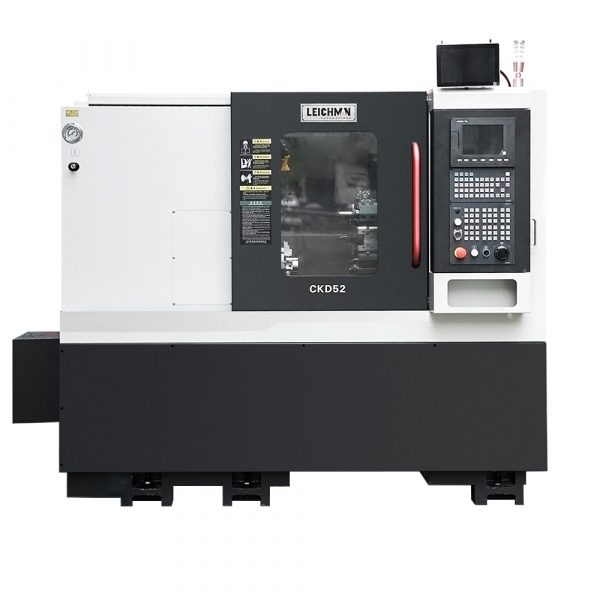
When I look at a cnc vertical turret lathe, I don’t just see a cast-iron frame and a turret. I see decades of kludged repairs, outdated CNC codes, and layered band-aids around the tool changer. The classic fixes—replacing worn bearings, polishing spindles, or retrofitting a basic control panel—help in the short term but hide deeper limits. For example, shops tend to solve repeatability issues with calibration runs, not by addressing backlash in the servo drives or latency introduced by old motion controllers. That leaves cycle times high and scrap up. Look, it’s simpler than you think: you can tune mechanical parts until blue in the face, but without modern motion control and integrated sensors, accuracy will drift.
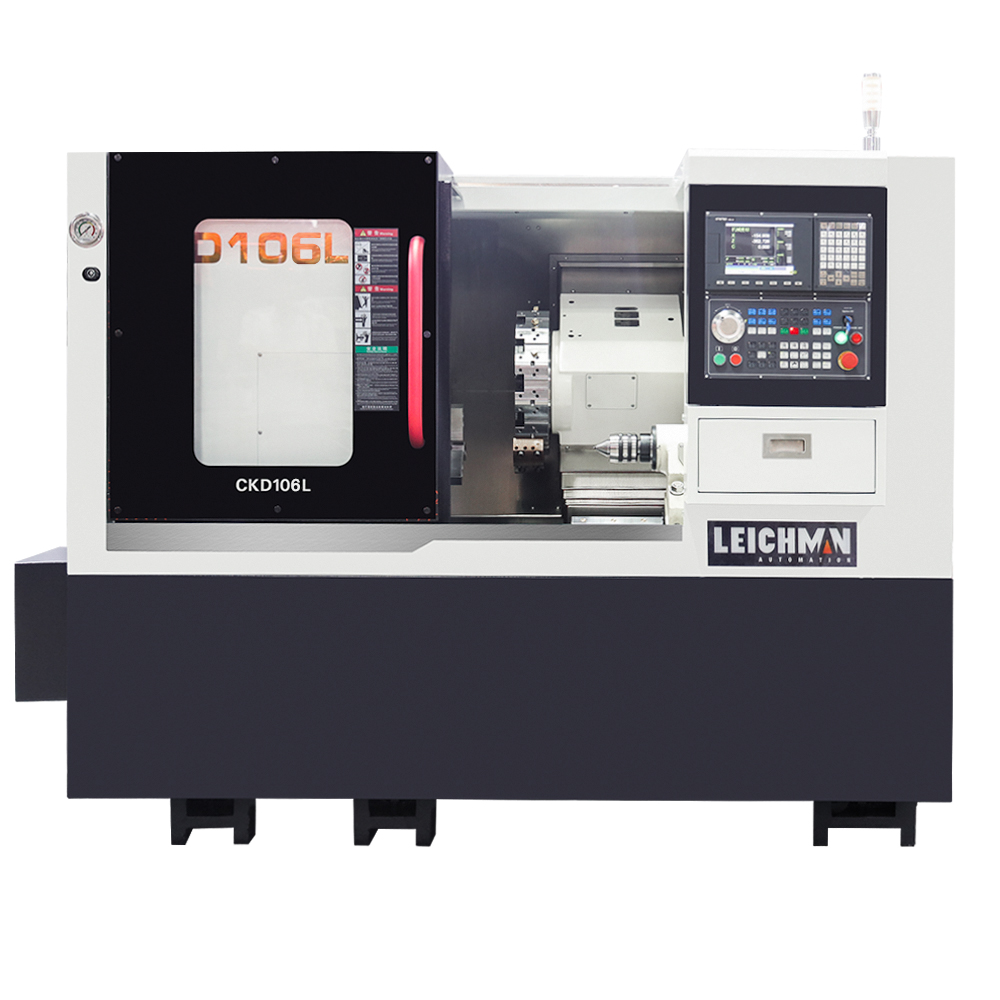
Technically speaking, older systems often lack closed-loop feedback at the turret head and don’t support high-speed interpolation for live tooling. They may have robust power converters and decent spindles, yet still miss out on predictive alerts and adaptive feeds. I’ve seen tool life reports ignored because data lives in a clipboard or a spreadsheet rather than on an edge device. That results in reactive maintenance—replace after failure—instead of predictive replacement. The result? Higher mean time to repair (MTTR) and lower overall equipment effectiveness (OEE). If we want reliable parts and leaner setups, we need to question those tried fixes and look for integrated solutions that actually solve the root problems.
Why do older approaches keep failing?
Because they treat symptoms, not systems. CNC retrofits without architecture change are like putting a new engine in a vintage car while keeping the failing transmission. It will run — for a while — but not at the level you need for modern throughput.
Emerging Principles and Practical Criteria
Moving forward, I advocate for a principle-driven approach: combine smarter motion control, sensor fusion, and flexible tooling. That means designing around the live tool — yes, the live tool turret — and ensuring the control system can coordinate spindle speed, turret indexing, and tool offsets in real time. New controllers allow adaptive feed adjustment and closed-loop correction; they also let you tie spindle telemetry to maintenance dashboards. I like to think of it as giving the machine a nervous system — short, fast signals that keep it stable. This reduces scrap and shortens setup times. And for shops worried about cost, there are modular retrofit options that avoid full machine replacement.
Practically, I advise testing solution mixtures on a pilot cell before a shop-wide roll-out. Start with: improved motion controllers, then add sensor arrays for tool force and vibration, then integrate a simple edge analytics node. You will see cycle time drop. You will see tool life extend. — funny how that works, right? Also, don’t overlook training. People make systems sing. Invest a little in operator feedback loops; the gains compound. Finally, when you evaluate offers, look at three hard metrics: mean time between failures (MTBF) improvement, cycle-time reduction percentage, and the integration cost versus projected savings over two years. Those numbers tell the real story.
What’s Next?
To wrap up, I’d say this: choose upgrades that treat the lathe as a system—mechanics, control, sensors, and people. I’ve been in enough shops to know that bold plans must be practical. So measure, pilot, and scale. If you do that, you get better parts and fewer surprises. For solid, real-world solutions and equipment references, check Leichman — they tie these principles to tangible products and support.