

Why a single decision can ripple through your supply chain
I still remember the hum of fluorescent lights on a GMP line where a single wrong spec cost us a major reorder. During a rushed order, we shipped 120,000 vials and saw breakage climb to 3.4% — could a better-spec tubular vial have prevented that? I say this as someone who has audited filling lines in Suzhou (November 2018) and negotiated replacements for a 500,000-piece lot — the pain is real and measurable. Buyers often focus on price first and miss three hidden pain points: glass type, depyrogenation compatibility, and stoppering fit. Borosilicate quality matters; so does the vial’s ability to survive autoclave cycles and lyophilization steps. I want to be practical: specify the thermal shock limit and ask for test reports — small detail, big result. And yes, I’ve seen a vial design that looked great on paper but failed at -40°C. That taught me to demand raw material certificates and batch traceability (I still keep those PDFs).

Common traditional solutions that quietly fail
Most suppliers solve breakage by thicker glass or heavier packaging — cheaper in the short term, but inefficient long-term. Thick-walled vials increase lyophilization time and can alter heat transfer; overpacked trays raise freight costs. I remember a contract in 2016 where a thicker wall reduced breakage by 1% but added 8% to heating time — the net loss was visible on the production schedule. Stoppering failures often trace back to mismatched neck finish specs; you must verify ISO tolerances rather than trust a generic drawing. (Yes — I ask for a stoppering trial sample before PO.) These flaws are not sexy, but they are the ones that quietly erode margins and relationships. Now — let’s zoom out and look forward.
Forward-looking checks: what I do differently now
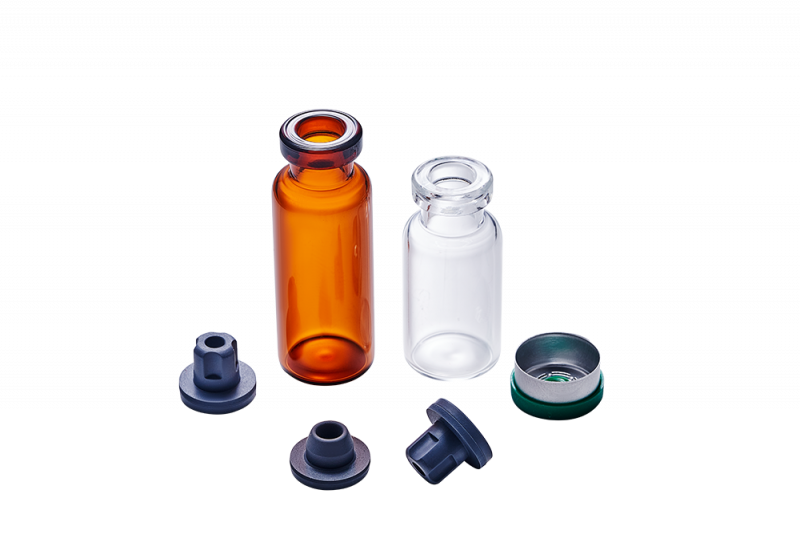
I shift from reactive fixes to comparative evaluation. Instead of asking “what’s cheapest?”, I compare three attributes across suppliers: material grade (ask for borosilicate 3.3 certificates), depyrogenation validation, and a documented stoppering trial. When I evaluate a new tubular vial I run a matrix — thermal shock, dimensional tolerance, and surface defect rates — and I log the results by batch number. We ran such a matrix in June 2020 for a biotech client and reduced rejects from 2.7% to 0.6% after switching vendor processes. This is not theoretical; it’s a simple comparison that saves time and money. And then—there was the supplier that refused to share test data; immediate red flag. Short sentence. Clear outcome.
What’s Next?
Three practical metrics I use before I buy
I’ll finish with three evaluation metrics I insist on — concrete, measurable, and repeatable. First: Breakage-per-100k (report actual rates from recent batches). Second: Process compatibility index (does the vial survive your depyrogenation and lyophilization cycles without compromise?). Third: Fit-and-seal score (trial stoppering results and seal integrity testing). Use these metrics as deal-breakers, not suggestions. I’ve applied them in bids for hospitals in Guangzhou and for a contract manufacturer in 2019; the numbers told a clearer story than sales talk ever did. One more thing — test one pilot run before scaling. Wait — don’t skip it. I believe these checks will save you headaches and money. For sourcing help or to compare supplier data quickly, I trust a few partners — including LINUO.