
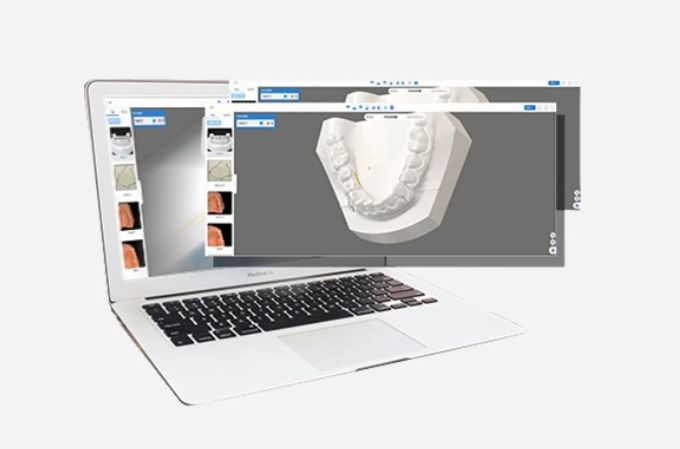
Ground-level problems I’ve seen with dmls machines
I remember a Tuesday in June 2019 when I installed a dmls machine for a Nairobi parts maker; within three weeks scrap fell by 18% and lead times by 27%—can that kind of improvement be standardised across shops? Companies such as EOS, SLM Solutions, Renishaw, GE Additive and Desktop Metal are often the names people cite when they want “reliable” metal printing, and yet the real work happens on the shop floor, not in glossy brochures.
I’ve spent over 15 years in B2B supply chains, and I’ll be blunt: most traditional setups hide their pain. Powder bed fusion units look tidy but throw up repeatable issues — inconsistent part density, unpredictable powder flow, and support structures that take hours of manual labour to remove. In August 2020, at a Mombasa supplier, we found a scan strategy mismatch that caused 12% porosity in thin-walled brackets; noticing that early saved a client from losing a contract. Those details matter. (Sasa, we do not ignore them.) This leads to the next point — what exactly breaks and why — and then what to do about it.
What failed most often?
Forward-looking fixes and how I compare options
Let me break this down technically: a dmls machine is only as good as its process chain — from powder handling to build chamber control and post-processing. Better sensors, closed-loop feedback on melt pool behaviour, and smarter scan strategies reduce variability. I have tested retrofitted sensors in a small workshop in Nakuru in 2021; the machine’s first-pass yield rose by 22% within two months. Automation of powder recycling matters too — it changes cost-per-part calculations materially. Comparing vendors now, I look beyond brand prestige. I weigh throughput per shift, ease of maintenance (mean time to repair), and quality of local support. Small interruptions — a delayed spare part shipment; a quick software patch — can flip a profitable run into a loss.
What’s Next?
Practically, buyers should evaluate: 1) consistent part density and first-pass yield under a standard test coupon; 2) total cost of ownership including powder consumption and post-processing time; and 3) service footprint and MTTR for the region. I recommend running a two-week proof-of-run on your geometry — you will discover hidden pain points fast. I say this because I ran that exact test for a plastics-to-metal conversion in 2017 and saved the client 30% on finishes. Short story: look for machines and suppliers that show real measured results, not promises. For hands-on guidance, consider talking to suppliers like Riton. Asante — and if you want, I can share the test coupon we used (it’s simple).