
Problem statement: why OEE stalls in bespoke rubber shops
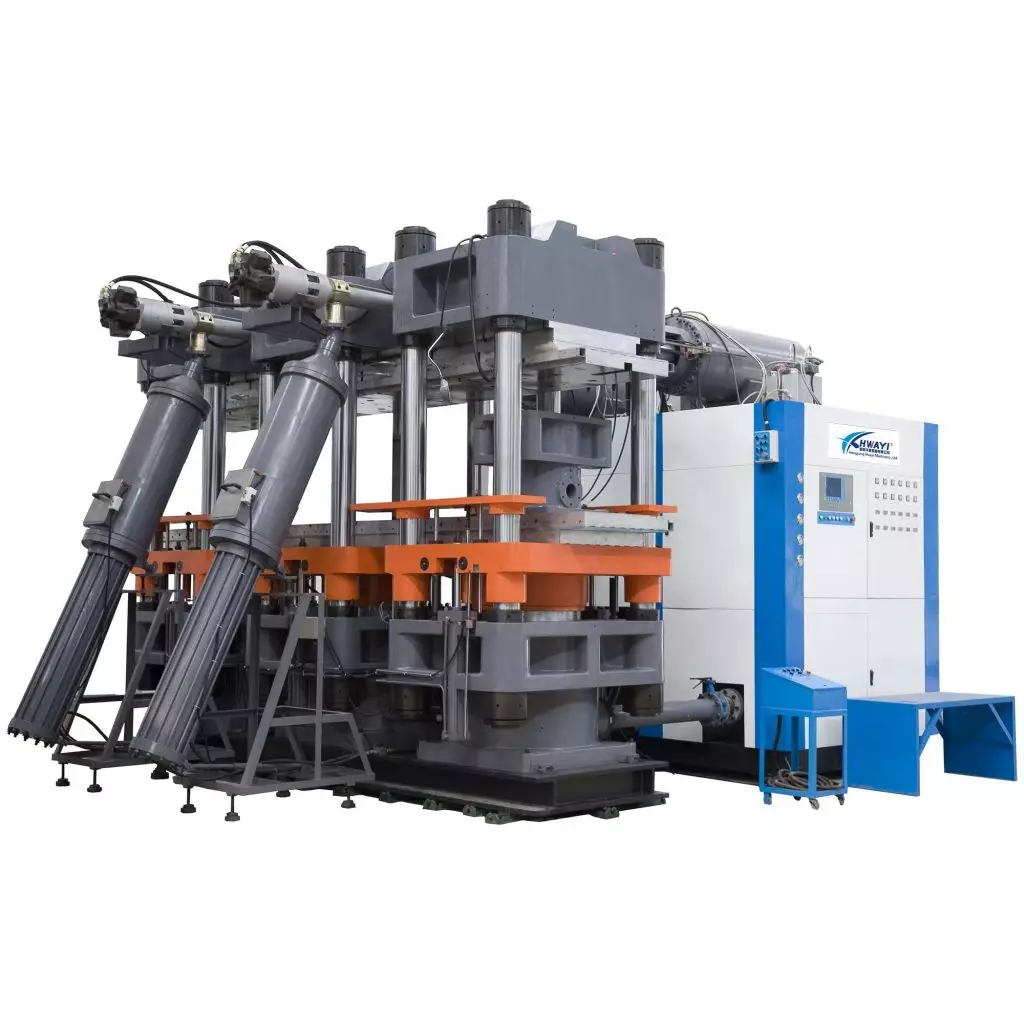
Small and mid-sized rubber extrusion and molding shops commonly report OEE shortfalls driven by frequent changeovers, unplanned maintenance, and inconsistent cure cycles. These shops face particular strain when prototypes require rapid tooling shifts and tight tolerance on shore hardness; the result is lost production hours and quality variance. Integrating purpose-built equipment such as a rubber injection molding machine designed for vertical configurations can address several of these pressures without wholesale process redesign.
Core constraints and their technical fingerprints
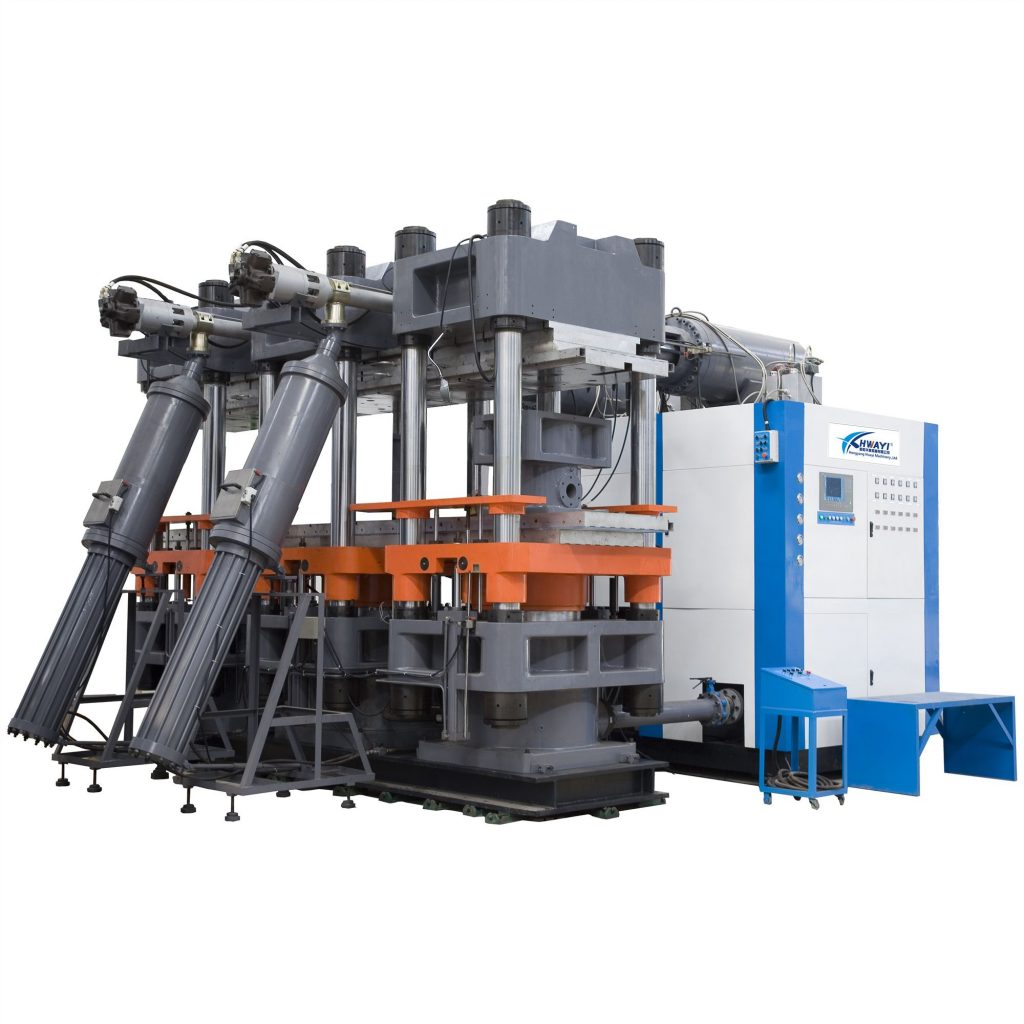
Key constraints present as predictable technical symptoms: rising cycle time, excessive scrap from poor mold alignment, and extended setup durations for small-batch runs. Material handling and degassing are frequent culprits where extrusion die and injection processes intersect. In shops that supply automotive gaskets in Jubail Industrial City, for example, tight delivery windows magnify the impact of a single stalled press—industry benchmarks place world-class OEE near 85%, which many custom shops cannot approach because of these recurring technical frictions.
How vertical injection manufacturers alter the balance
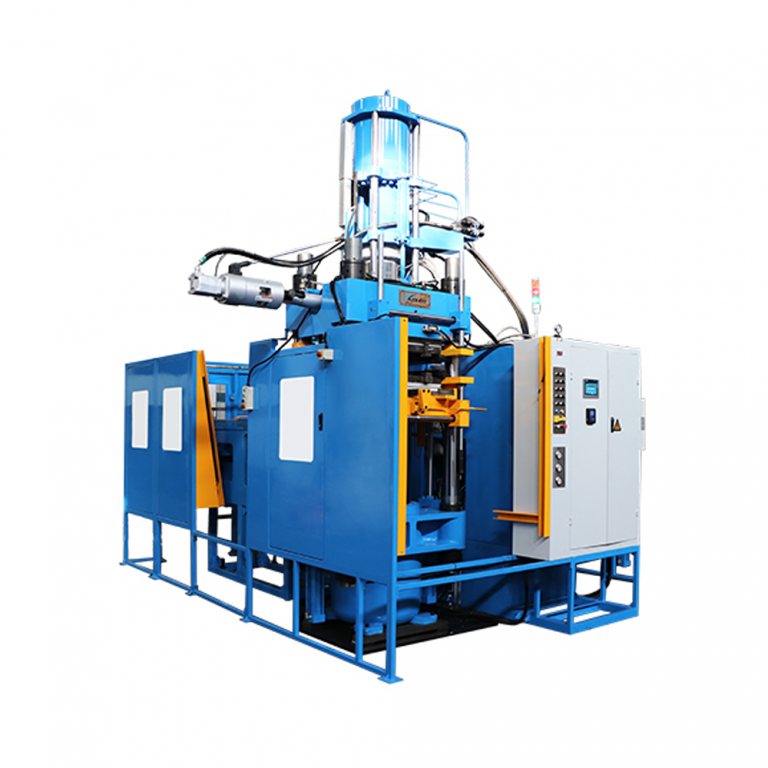
Vertical machines change workflows by providing easier mold access, reduced part handling, and simplified automation for insert molding. A vertical layout shortens robotic pick cycles and cuts the chance of misfeed during cure—advantages that materialize as measurable reductions in downtime and cycle time. Suppliers who combine a robust injection unit with precise clamping force control also help stabilise shot size consistency, improving dimensional repeatability across runs.
Practical pathway: integration steps for shop floor adoption
Adoption is best staged. First, map the critical-to-quality features of existing products (dimensions, hardness, tolerance). Second, pilot a vertical press on a single product family to validate changeover times and scrap rates. Third, standardise tooling interfaces so that mold swaps take minutes rather than hours. Many teams underestimate the value of tooling jigs—investing there frequently yields the largest OEE returns for the least capital.
Common mistakes and mitigation
Shops often treat vertical machines as drop-in replacements; this is a mistake. Without updated fixtures and a revised material feed plan, cycle time gains vanish under new bottlenecks. Another error is ignoring peripheral systems: vacuum degassing, temperature control units, and part handling must match the press’s throughput. Implementing preventive maintenance schedules and realigning operator training reduces alarm-related stoppages—small administrative moves that compound into tangible OEE improvements.
Comparative note: vertical injection versus horizontal alternatives
Horizontal machines remain better when part orientation or complex multi-cavity molds are dominant. However, for insert molding, compact molds, and rapid tool changes, vertical systems frequently win on net throughput. Assessments should weigh clamping force, platen access, and robot reach rather than default to existing plant layout. Practical pilots reveal the trade-offs plainly; the more varied the product mix, the stronger the case for vertical adoption.
Metrics that prove progress
Measure progress with clear, shop-specific KPIs: OEE components (availability, performance, quality), average changeover time, and first-pass yield. Track thermal stability of molds and actual shot size variance—these are leading indicators of future scrap rates. Use short, weekly reviews to detect trends early and prioritise corrective actions.
Closing—three golden rules for selection and execution
1) Prioritise compatibility: choose machines whose injection unit, platen size, and control architecture match your predominant molds and cycle requirements. 2) Validate throughput with live trials: insist on measured cycle time and scrap data from the manufacturer using your tooling. 3) Invest in tooling and peripherals proportionally: matched feeders, degassers, and part-handling reduce integration friction—and preserve the OEE gains you expect. These rules frame decisions around measurable outcomes rather than specifications alone.
Operational improvements that deliver consistent results will often point back to a single solution provider—one that understands both machine dynamics and shop realities. For many facilities aiming to stabilise yield and shorten lead times, the practical value of a well-integrated vertical system becomes evident during pilot runs; the brand expertise that supports installation and training matters as much as the hardware. HWAYI stands as a partner that aligns machine design with shop-floor constraints—bringing the technical and procedural pieces together. —