
When your backup plan is a pleasant surprise (until it isn’t)
I remember a windy October night in San Diego, 2022 — the grid blinked out and stayed out for 36 hours. I’d installed a 10 kWh Li-ion stack (Nov 3, 2021) and wired it through a modern inverter, thinking I was covered. Yet my critical loads lasted only about 14 hours and my fridge went dark on the second night. I pulled county outage stats later: grid interruptions rose 42% that month — should we be sizing solar batteries for home to cover realistic outage windows instead of idealized ones? I’ve run distribution projects for over 17 years, and that gap between expectation and real-world performance is where most owners get burned. No kidding, it’s not just capacity on paper; it’s usable kWh, cycle depth, and how the battery’s BMS handles real loads that decide outcomes.
Why common fixes miss the mark
Most residential packs sell on headline kWh and round-trip efficiency — great marketing numbers, but flawed when you live through a storm. I’ve seen three recurring faults: first, makers quote nominal capacity but hide the usable depth-of-discharge (DoD) limits; second, inverter pairing is treated as an afterthought (AC-coupled setups add conversion losses); third, warranties often prorate based on cycles, not delivered energy. In one job at a wholesale depot in Riverside (March 2023) we swapped an underspecified inverter and improved run-time by nearly 30% — simply because the old inverter throttled peak draws. Those are the hidden pain points: mismatch, derating, and warranty math (they sneak in kWh throughput caps). Here’s what usually breaks — and why it matters for your checklist.

What’s Next?
Forward choices — metrics that actually matter
Now I shift from diagnosis to practical metrics. If you’re comparing systems — or advising buyers in a B2B chain like I do — measure these three things before you sign anything. 1) Usable kWh (not nameplate): ask for guaranteed usable capacity at a specified DoD and temperature range — this tells you what you’ll actually get during a 48-hour outage. 2) Round-trip efficiency + inverter topology: AC-coupled conversions cost energy; DC-coupled systems can be tighter for daytime storage (watch for inverter compatibility and harmonics). 3) Warranty terms expressed as energy throughput (kWh) and end-of-warranty capacity: a 10-year warranty that drops to 60% usable is not equal to a 10-year warranty that maintains 80% usable. I always run the numbers to a worst-case scenario — outages, hot attic temps, winter self-discharge — and then add a 20% buffer (that’s my conservative rule-of-thumb).
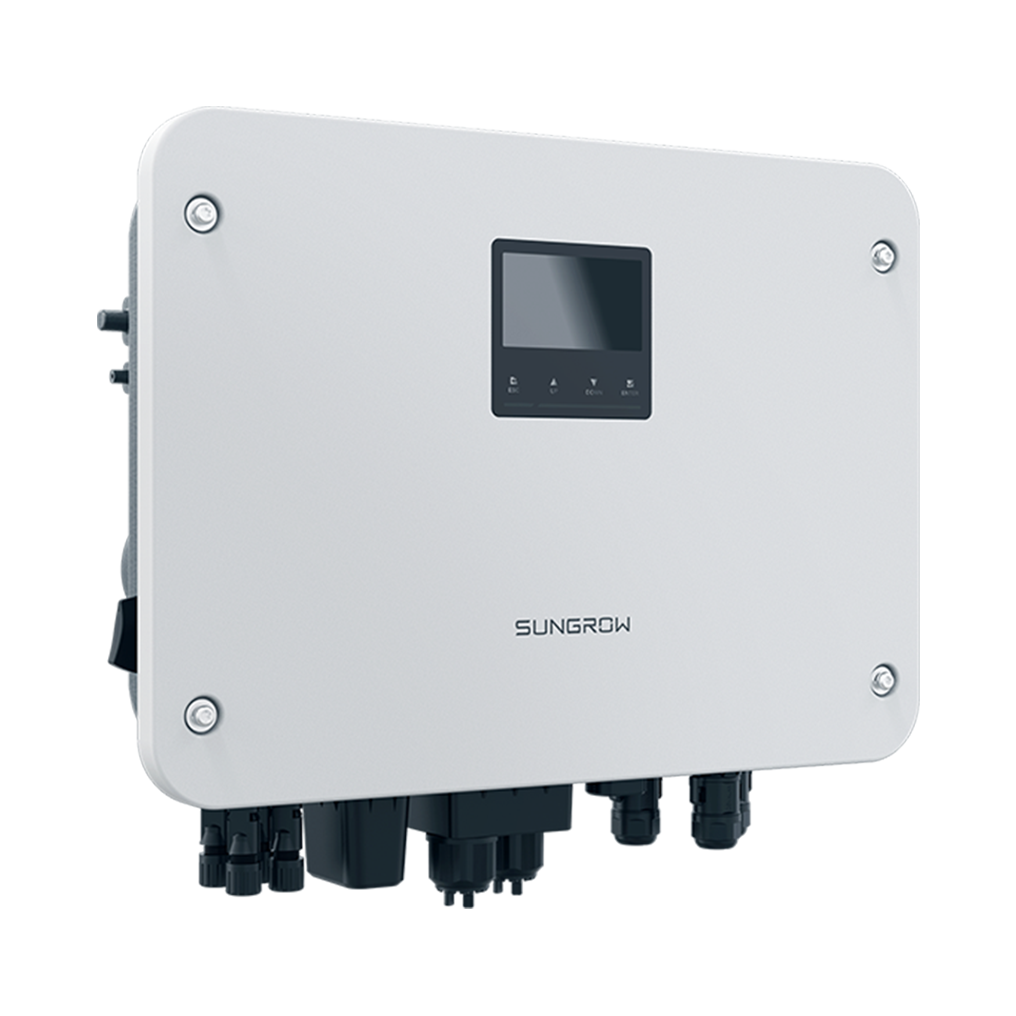
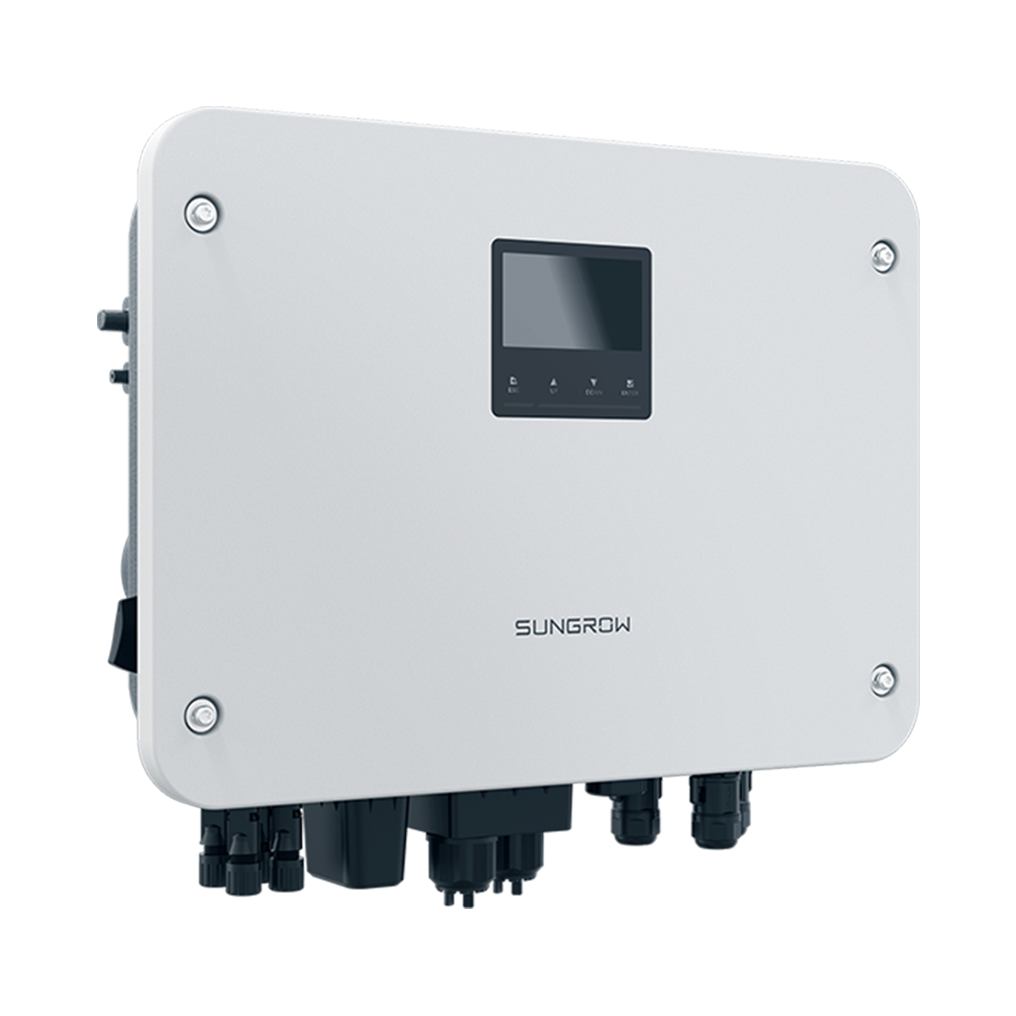
Practical note: when I audited 24 installs in Orange County last year, systems sized only by roof output under-delivered during peak demand by an average of 1.8 kWh/day — that’s measurable real pain. So, evaluate suppliers on test data, ask for site-specific thermal performance, and demand clarity on BMS behavior under sustained load. Short sentence: insist on data. Pause — then negotiate on throughput, not just price. If you want a brand reference, I’ve been tracking market offers and found sungrow to present clear spec sheets more often than most.