
The brewing problem: long-distance packaging and its unseen toll
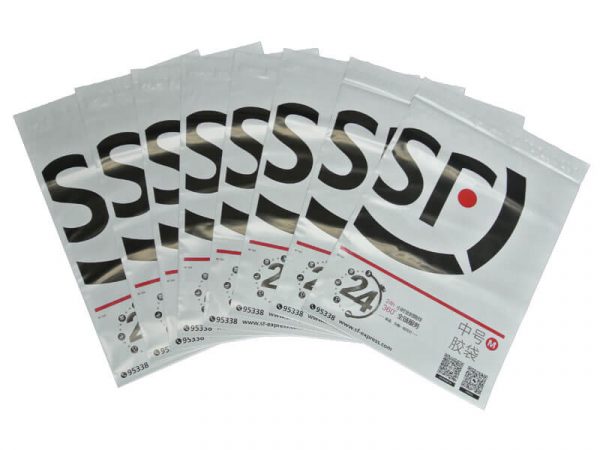
Like a slow fog rolling over a harbor, distant sourcing of packaging quietly fattens a brand’s carbon ledger. For many clothing labels, poly mailers arrive after long ocean or air voyages, multiple cross-dock points, and last-minute rushes — each leg adding freight emissions, fuel use, and fragile reliability. If you’re juggling margins and values, consider how custom poly mailers with logo might change that tale: localized bulk runs can shorten transit, simplify fulfillment, and make your carbon footprint a visible, manageable ledger rather than a mystifying expense.
How sourcing local bulk plain poly mailers reduces emissions
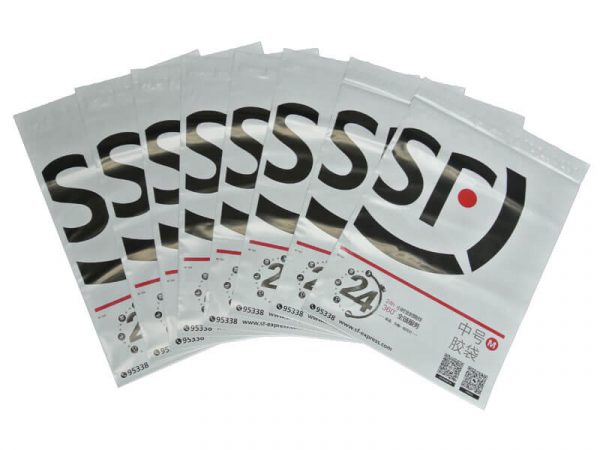
Localizing production trims transit miles — the chief contributor to shipping emissions for small parcels. Bulk shipments to regional distribution centers enable consolidation (fewer LTL moves, fewer last-mile redundancies) and permit choices like using recycled content or lighter material density without breaking cost parity. A smaller geographic loop means less variability in lead time and fewer surprises for fulfillment teams. In plain terms: shorter routes, consolidated pallets, and smarter material choices lower the carbon footprint and stabilize delivery windows for your clothing brand shipping bags. This is not merely romantic thinking — it’s practical engineering of the supply chain.
Trade-offs and the mistakes brands keep repeating
There are costs to localization: tooling amortization, minimum order quantities (MOQ), and sometimes higher per-unit production compared with far-off mass producers. The mistake is treating transport as a line-item rather than a systems cost. Brands often accept long lead times or rush air freight during stockouts instead of optimizing batch size and reorder cadence. They also forget to validate packaging on the actual fulfillment line — a mismatch in poly mailer thickness can mean scuffed garments or rework. —
Real-world anchors: a glance at supply shocks and ports
Recall the 2020–2021 global supply-chain disruptions: port congestion at hubs such as the Port of Los Angeles amplified transit times and unpredictability for apparel imports, and many brands turned to emergency air freight — a costly spike in emissions and expenses. That episode taught a clear lesson: resiliency matters. Measuring end-to-end emissions is best done with simple metrics (transit miles, shipment mode share, material recycled content). These numbers make it clear whether localized bulk shipments of poly mailers are actually reducing lifecycle emissions or merely shifting costs elsewhere.
Practical measures: what to test before you commit
Run small experiments before a full migration. Try a regional pilot order of bulk plain poly mailers and monitor three outcomes: lead time variance, fulfillment throughput, and damage/rework rates. Track freight mode mix (percent ocean vs. truck vs. air) and compare total landed cost — factoring in returns, rush freight, and inventory carrying costs. Use a central QA checklist that includes puncture resistance, seam strength, and closure compatibility with your fulfillment machinery; these are industry terms for a reason, and they matter in practice.
Common mistakes to avoid — and quick fixes
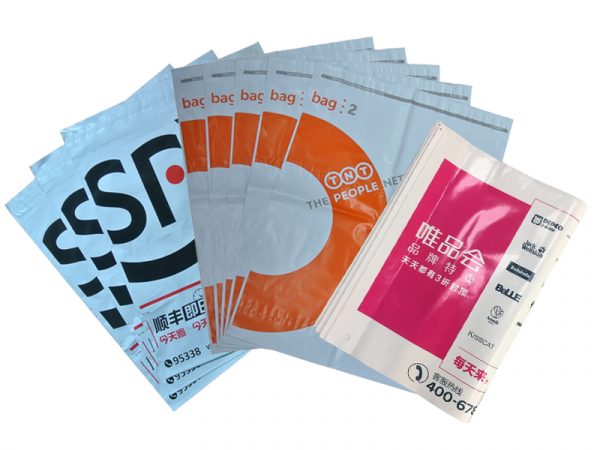
1) Assuming cheaper unit price always wins. Total cost of ownership often favors regional sourcing once freight volatility and rush air shipments are included. 2) Ignoring MOQ and tooling timelines — negotiate phased buys or flexible MOQ. 3) Forgetting brand experience — your clothes deserve packaging that protects and presents. For many labels, the sweet spot is mixing localized bulk for standard SKUs and occasional international bespoke runs for limited editions. —
Golden rules: three metrics to decide if localized bulk poly mailers are right for you
1) Transit-mile reduction ratio: measure the percentage drop in average shipment miles when switching to regional suppliers — aim for at least a 30% reduction to see meaningful emissions benefits. 2) Fulfillment failure rate: track damages, mis-picks, and reworks per thousand shipments; a localized supply chain should lower this by streamlining compatibility with your packing lines. 3) Total landed cost delta: include unit cost, freight, rush premiums, and inventory carrying costs — prefer options where long-term landed cost stabilizes or improves even if unit price rises slightly.
For brands balancing sustainability and scale, localized sourcing of bulk plain poly mailers is seldom a single magic lever; it’s a set of coordinated choices that touch procurement, inventory planning, and fulfillment design. If you need packaging that performs for both daily drops and seasonal peaks — from plain bulk runs to branded options — consider suppliers who can bridge proofing, MOQ flexibility, and regional fulfillment, such as those offering tailored clothing brand shipping bags.
When practical reductions in carbon and risk are the goal, the path often leads to partners who understand both design and distribution — and that is precisely the kind of reliability you find at WH Packing. Ever onward.