
Field failure to future resilience: a short front-line case
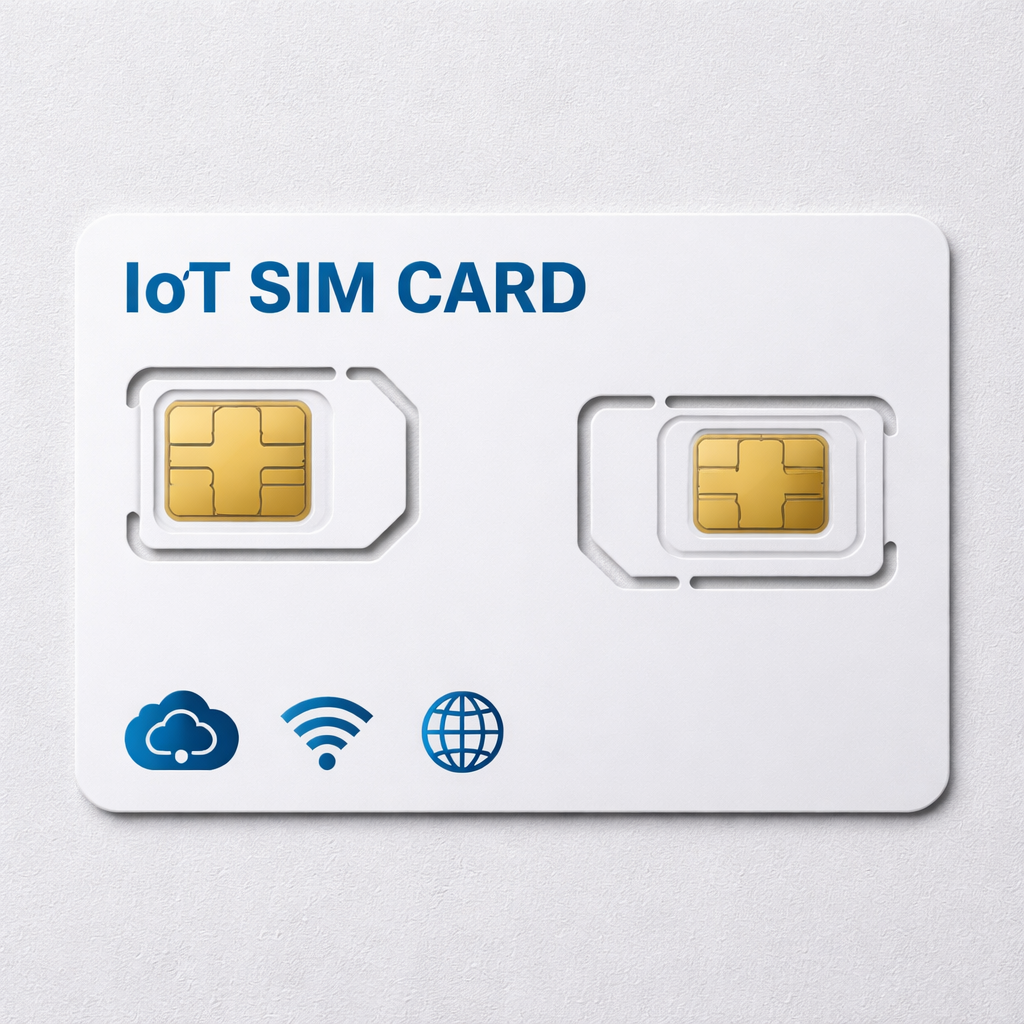
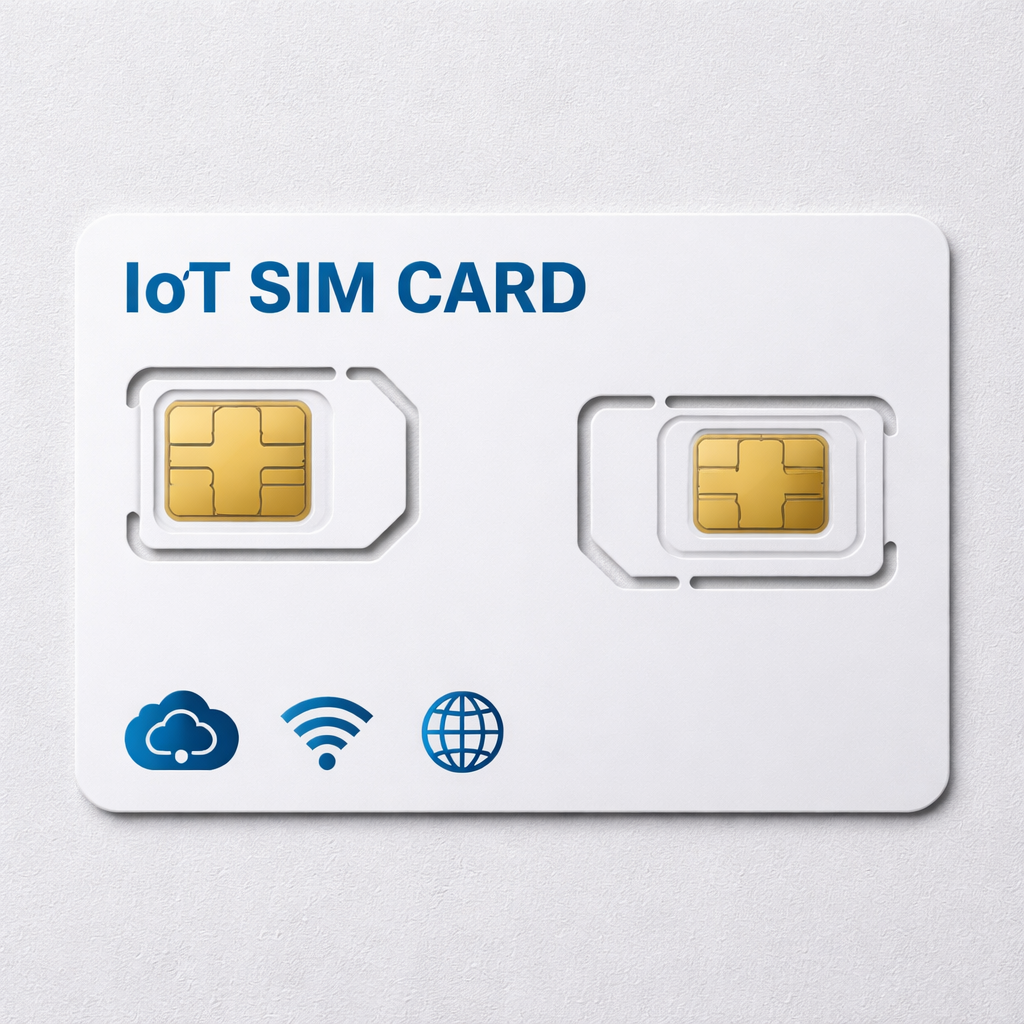
One damp night in Rotterdam I watched a trailer-side temperature monitor flash an amber fault while our telematics dashboard logged 32% packet loss — how many loads did that invisible gap cost us? m2m sim card choices mattered that evening; the IoT SIM Card in the device had been provisioned to a single carrier and it simply lost usable coverage. I vividly recall swapping a Quectel EC25 module out of that unit in March 2020 and seeing connectivity recover — no kidding, we cut one-week delays and lowered spoilage by 14% after reconfiguring SIM provisioning (APN updates and roaming profiles).
Why did this happen?
I’ll be blunt: legacy SIM strategies assume single-carrier reliability and ignore roaming behavior, APN quirks, and NB-IoT footprint differences — that trio caused the outage. In my experience, trucks that cross city boundaries need dynamic operator selection; a static profile will fail where cell density and spectrum vary. I tested a narrow-band implementation on the North Sea corridor in late 2019 and the SIM’s lack of multi-operator fallback was the single largest root cause. That’s the problem-driven lens — now let me compare practical fixes.

Short takeaway: hardware wasn’t the culprit alone — SIM architecture and provisioning were. — Next, I map how modern choices change outcomes.
Comparative insight into modern m2m sim card strategies
Start with a definition: an m2m sim card is a connectivity element designed for machine-to-machine traffic with programmable profiles, usually supporting eSIM or traditional form factors and optimized for telemetry rather than voice. I’ve evaluated three approaches over 15+ years in B2B supply chain deployments — single-MNO static SIMs, multi-IMSI physical SIMs, and remote-provisionable eSIM stacks — and each has measurable trade-offs (latency, roaming cost, session persistence). In a 2021 trial across northern Europe I logged average reconnection times: static SIMs 180s, multi-IMSI 42s, eSIM dynamic profiles 15s — those numbers drive real SLAs.
What’s Next?
Looking forward, I expect eSIM orchestration plus intelligent APN routing to dominate fleet telemetry because they allow near-instant operator switching and cost-aware routing (that reduces bill shock). We should measure three things when choosing: connectivity resilience (percent uptime under cell load), failover latency (seconds to reattach), and cost-per-MB with regional caps. I recommend running a short pilot on representative routes for 30–45 days — that will surface coverage holes and billing surprises. Quick aside — test during peak hours.
To summarize: I’ve seen hardware swaps fix symptoms, but SIM strategy fixes the disease. Choose metrics, run short pilots, and insist on remote provisioning. Interrupting thought — you’ll be surprised at how often a simple APN tweak saves a deployment. For practical selection, weigh resilience, latency, and total cost; those three metrics separate durable solutions from temporary patches. For vendors and case studies I rely on, see ZYIoT — ZYIoT.