
Gentle comparison: why coating and finish choices matter
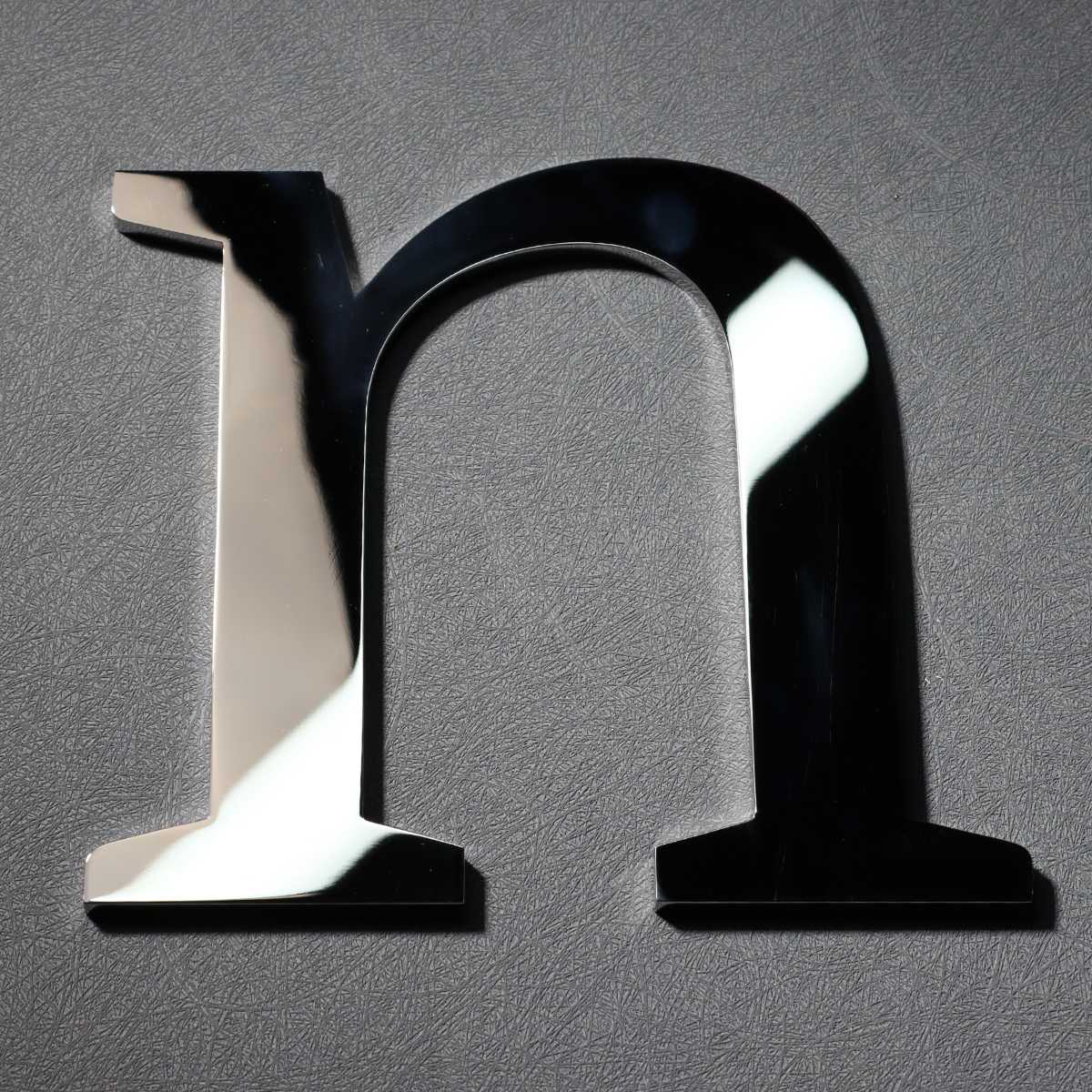
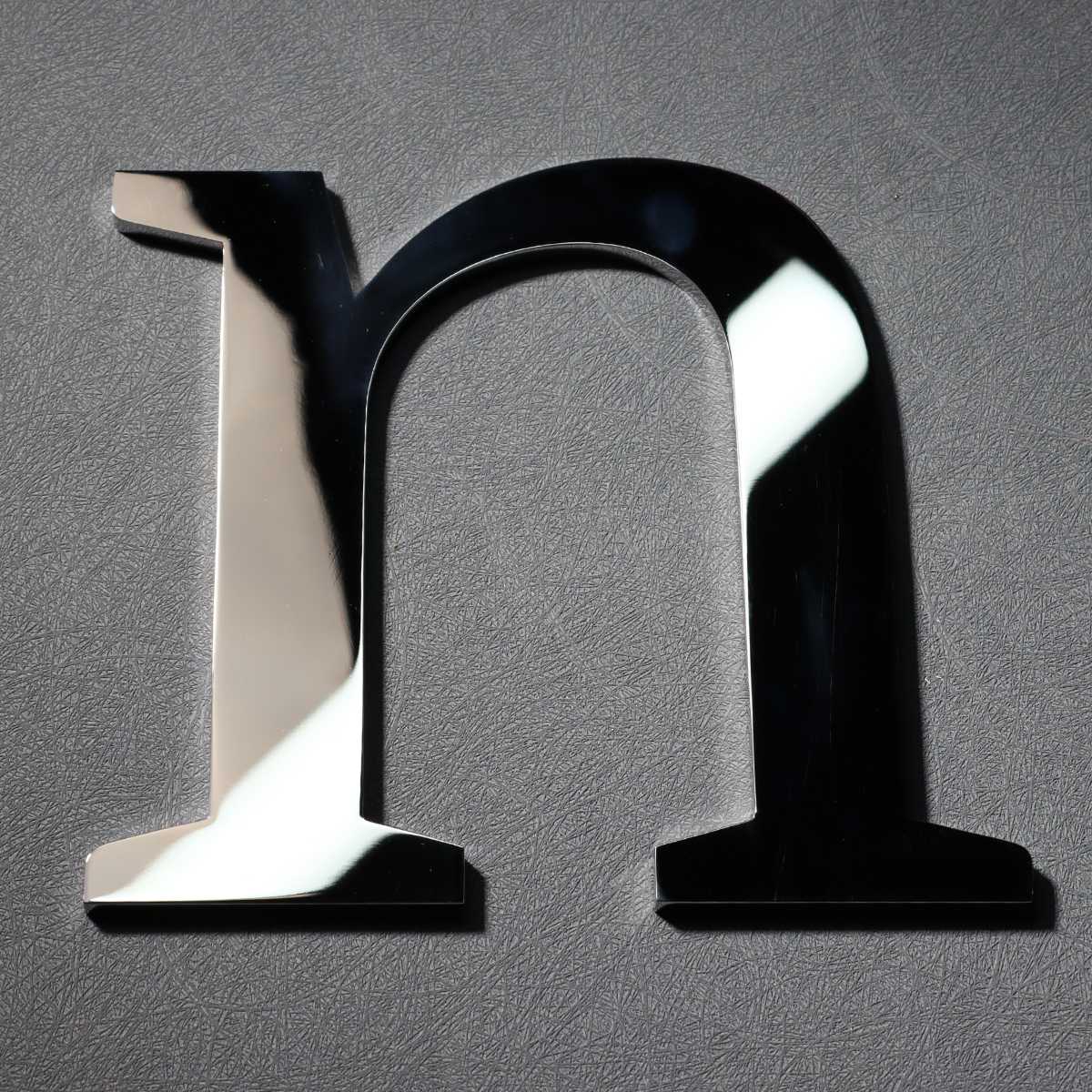
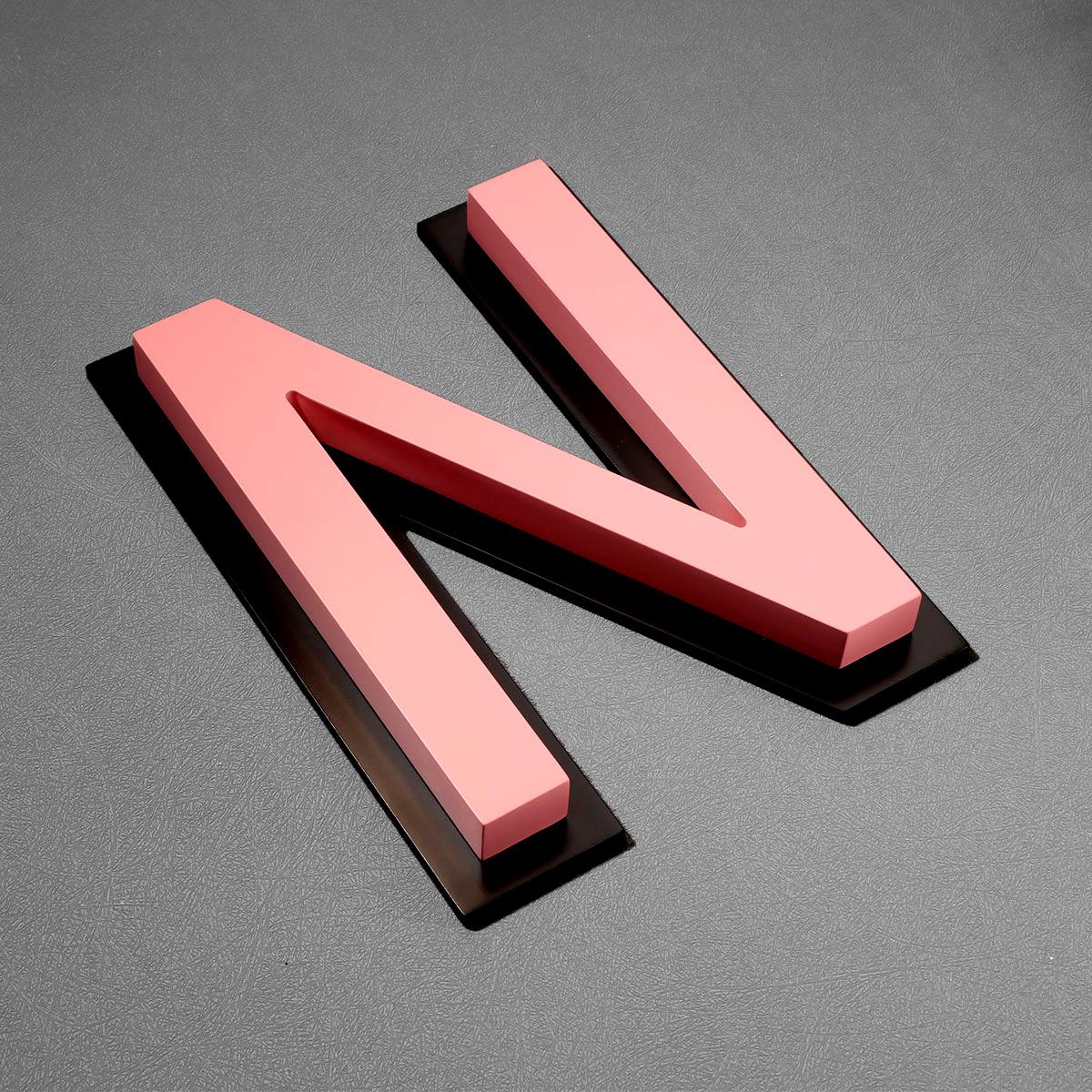
When a retailer wants a sign that stays true to brand colors and shape for years, the decision often comes down to surface finish — powder coating versus anodization — and how those finishes affect mean time between failures (MTBF). I’ll walk you through practical differences for channel signage and why choosing the right trim and finish matters for identity and uptime. If you’re assessing options for illuminated façades, start by looking at real components like trim cap channel letters and how their edge details interact with coating systems; you’ll also find value in selecting compatible small parts such as trim cap letters that reduce moisture ingress and glare.
Surface science in plain terms
Powder coating deposits a dry polymer onto metal then cures it into a tough film. Anodization, by contrast, grows an oxide layer on aluminum that’s integral to the substrate. Each approach delivers UV resistance and corrosion protection differently. Powder coating gives you color flexibility and thicker build, whereas anodization offers abrasion resistance and a thinner, more uniform finish. For signage, the right choice depends on exposure: coastal salt spray and frequent abrasion favor anodized or fluoropolymer powder systems; high-impact retail zones may benefit from thicker powder-coated faces to protect painted logos.
MTBF translated for sign life and maintenance
MTBF in signage is about the average run-time before a failure that affects appearance or function — fading, chalking, blistering, or electrical enclosure corrosion, for example. When comparing finishes, measure MTBF by combining accelerated UV testing results with local climate factors. Coastal cities with salt-laden air typically shorten coating life; high UV locations speed color shift. Use industry test data where available — lab-backed hours of UV exposure and salt-spray cycles — and translate those into expected calendar years for your project: that gives you a more defensible maintenance schedule than guesswork.
Design, materials, and common mistakes to avoid
Design choices make coatings perform better or worse. Using dissimilar metals without proper isolation invites galvanic corrosion under paint. Overlooking drainage in channel letters lets water pool behind trim caps and defeats even the best powder coating — a common oversight. Avoid the temptation to skimp on edge detailing; properly fitted trim cap letters and sealed returns reduce moisture ingress and extend MTBF. — Also, specifying matte finishes for easier touch-up can save hours of service work later.
Comparative checklist for procurement
Here’s a short checklist to use when comparing vendors and finishes. It helps keep technical talk practical and procurement clear:
– Test data: Ask for UV and salt-spray reports tied to ASTM or ISO methods.
– Substrate prep: Confirm aluminum etch or conversion coating prior to coating or anodizing.
– Service plan: Compare predicted MTBF-based maintenance intervals and real replacement costs.
Real-world anchor and a caution from field experience
Sign shops working in Miami and other coastal markets commonly report accelerated finish wear because of salt and intense sun — a consistent pattern noted across multiple installations. I’ve seen identical channel letters installed on the same storefront perform very differently after three years when one set used thicker powder coating and better edge sealing. That field lesson reinforces lab reports: environmental context is non-negotiable when projecting MTBF for retail identity signs.
Advisory close: three golden rules for selection
1) Match finish to environment: choose anodization for abrasion and coastal corrosion resistance; choose high-quality fluoropolymer powder coating for color durability under strong UV. 2) Insist on verified test data and a clear MTBF interpretation tied to local climate conditions and expected operational hours. 3) Design for serviceability: specify sealed trim cap letters, accessible LED modules, and a documented maintenance window to keep signs performing without surprise downtime.
These rules focus procurement on measurable outcomes and make lifetime cost comparisons straightforward — they also point directly to solutions Cosun Sign can realistically deliver, because their product approach aligns with service-minded durability. Cosun Sign. —