
Why Your “Good Deal” Becomes a Costly Return Wave
A warehouse dock at 7 a.m., pallets wrapped tight, you pop open the first carton, and the lid squeaks like a gate—been there, ¿verdad? You call an ottoman manufacturer, ask for a better hinge, and hope that fixes it. Then support data hits: returns tied to lid wobble, crushed corners, and fabric puckering account for a big chunk of complaints in peak season. Some teams report double-digit spikes right after promotions—because specs weren’t clear, or QC slipped under rush lead times. So here’s the question: are you paying less on paper, but more in replacements and brand damage?
I’m talking straight, compa, because it matters. Small choices—hinge type, foam density, carton design—quietly decide your margin. One missed compression test, and you’re shipping headaches. We see this a lot in furniture; benign details turn into freight claims. And the fix isn’t always “upgrade materials.” It’s system design, traceability, and simple tests baked into the build (claro). The twist—funny how that works, right?—is that the cheapest unit often costs the most over a season. Let’s map the levers that flip the outcome, then compare what “good enough” and “future-proof” really look like. Vamos to the next part.
Hidden Pain Points with Storage Ottomans You Can Actually Prevent
What keeps breaking?
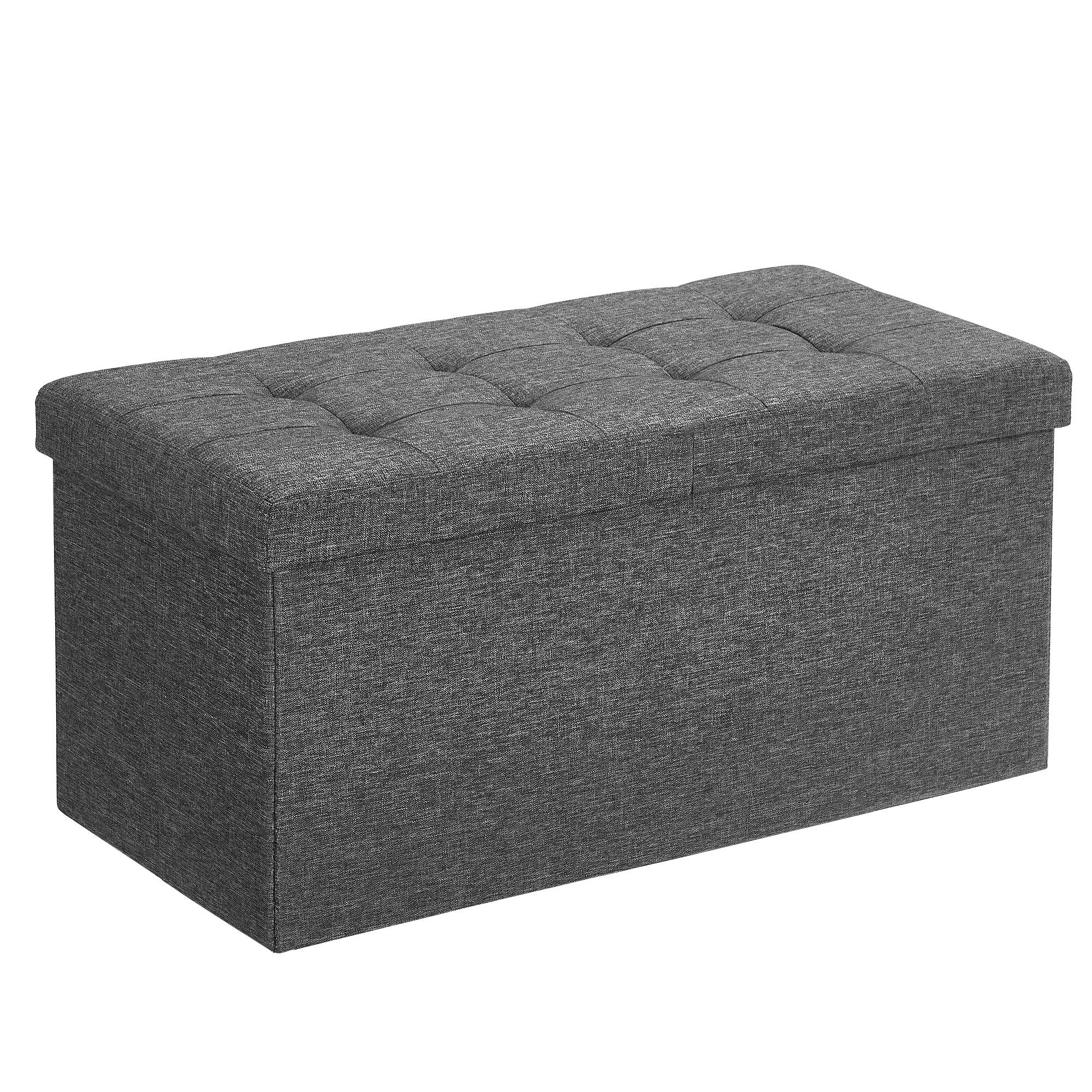
If you’ve already nailed the look and the price, the next layer is mechanics and handling. When teams evaluate storage ottoman manufacturers, they often miss three quiet culprits. First, hinge load rating versus real-world use. A torsion hinge can read strong on paper but fatigue fast under daily lifts. Second, panel stability. E1-grade MDF works, but weak corner blocks and sloppy CNC joinery introduce racking. Third, carton failure. Without a simple compression test and edge crush check, lids arrive misaligned even if factory QC looked clean. Look, it’s simpler than you think: define lid cycle life (say 10,000 open/close), specify foam compression set limits, and lock a drop-test standard. No drama, less churn.
Another pain point is traceability. During a surge, MOQs push mixed components into a batch. Then you chase defects with no lot control—funny how that works, right? A basic QR on sub-assemblies links hinges, fabrics, and frames to each SKU. If returns spike, you isolate the root cause fast. Also, beware of “upgrades” that only shift the problem: thicker foam without reinforcing the hinge rail just moves stress and leads to staple pull-outs. The cure is a balanced spec: hinge torque matched to foam density, and a lid rail that spreads load. Tighten this triangle, and your customer reviews don’t wobble either. Now, let’s look ahead at how modern shops make these guardrails automatic.
Comparing Old-School Builds to New-Tech Lines
What’s Next
Traditional lines rely on skilled hands and spot checks. Good craft, but variable. The newer approach starts earlier—design for manufacturability. CAD nesting aligns grain, reduces weak corners, and sets consistent hole spacing for hinges. CNC routers cut repeatably; automated fabric cutting keeps seam allowance tight so upholstery tension doesn’t twist the lid. A forward-leaning ottoman supplier now pairs digital torque drivers for hinge install with SPC dashboards, so you see drift before it hits a container. Add QR-coded traceability, and warranty cases turn into data, not guesswork. Even packaging upgrades—corner guards matched to hinge protrusions and a verified ISTA 3A drop profile—turn “hope it ships” into “we measured it.”
Side by side, the gap is clear. Old-school: more rework, more touch-ups, more variance. New-tech: fewer surprises because the system checks itself. And hey, the cost delta shrinks at scale—automation reduces scrap and rewraps. To wrap this up with practical advice, use three simple metrics when you choose partners. One, mechanical durability: verified hinge cycle life and a published load rating, matched to your lid mass. Two, material integrity: foam density with compression set targets and frame tests that include racking, not only static loads. Three, logistics resilience: carton compression data and a pass on your chosen drop protocol with photos, not promises. Keep these three in your SOW, and you’ll dodge most hidden trade-offs. It’s steady work, sí, but the returns curve and the review score will tell you when you got it right. For a deeper benchmark across categories, check how established platforms document specs and traceability, including partners like SONGMICS HOME B2B.