
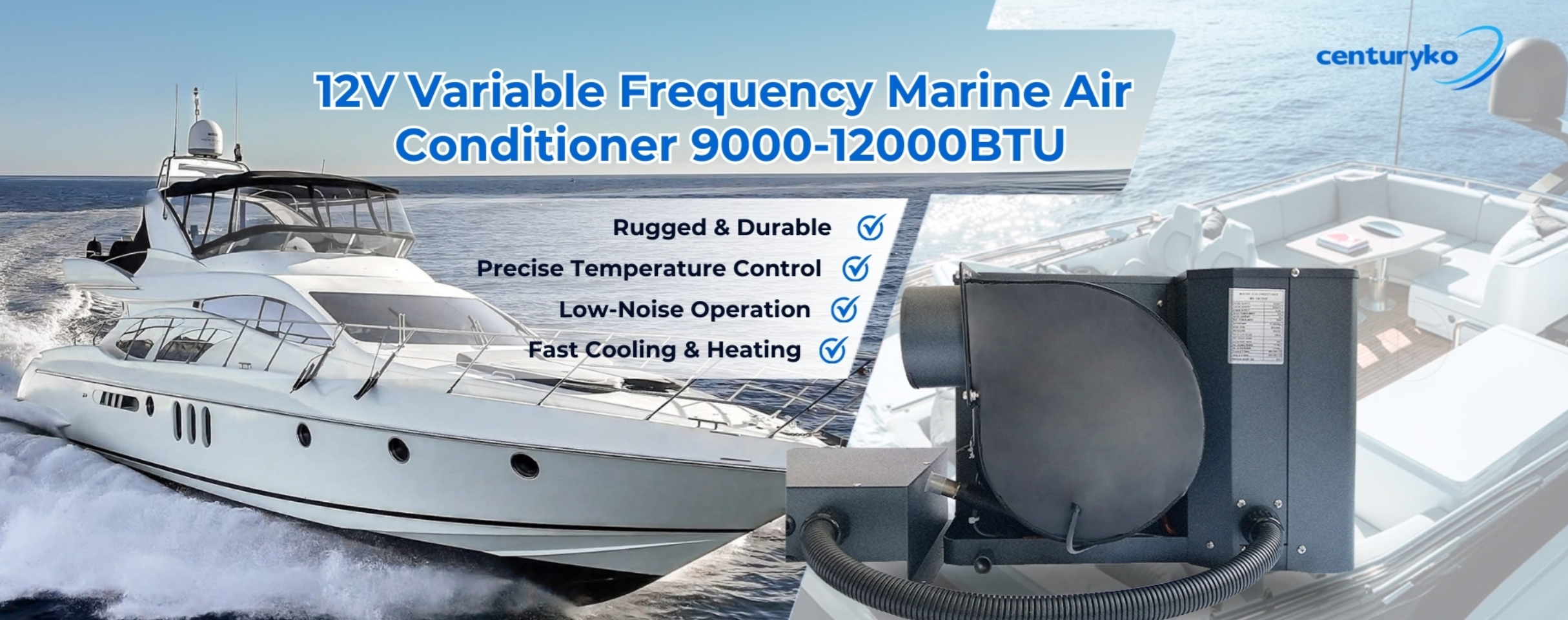
Quick take — what this comparison is about
Plain and simple: you want reliable comfort on the water without wasting fuel or getting loud fans in your cabin. This piece lines up the practical differences between traditional marine HVAC and inverter-driven boat heating and air conditioning. If you’re talking parts, installs, or who to call for a refit, start with reputable marine hvac manufacturers before you buy. I’ll keep it direct and useful — no fluff.
How standard systems work
Traditional boat systems are simple: a fixed-speed compressor, a fixed-capacity heat exchanger, and an on/off cycle set by a basic thermostat. Those compressors run at full tilt until the set temperature is reached, then they stop. That means spikes in power draw and louder operation. On maintenance: standard rigs usually use straightforward components like a thermostatic expansion valve and a conventional blower, which makes field repairs easier but doesn’t hide the inefficiencies.
What inverter-driven systems do differently
Inverter systems use an inverter compressor and a variable speed drive to modulate output. Instead of full-on/full-off, they ramp up or down to match the load. That yields steadier cabin temps, lower peak amperage, and quieter runs because the variable-speed blower won’t slam on and off. You also often see better SEER numbers on inverter units — real savings over a cruising season. For electronics-sensitive boats or long-term liveaboards, that smooth power profile matters.
Real-world performance, costs, and a hands-on anchor
I swapped a fixed-speed unit for an inverter-driven system on a 45-foot sportfisher in the Florida Keys last season. The install took a day longer due to electrical upgrades, but the owner reported quieter nights and about 20% lower generator runtime on overnight trips. Maintenance shifted from frequent compressor cycling checks to periodic inverter diagnostics — different work, but less wear on the compressor. If you need ongoing help, technicians offering regular marine air conditioner service can tune variable-speed systems to keep them efficient.
Pros and cons laid out
Pros of inverter-driven systems: reduced energy spikes, quieter operation, finer temp control, and often better fuel economy when running off a generator. Cons: higher upfront cost, more complex electronics, and sometimes trickier repairs in remote marinas. Standard systems win when budget is tight and you need simple field-repairable parts. — Remember, electronics fail differently than mechanical parts; plan for diagnostic tools if you go inverter.
Common mistakes and sensible alternatives
Boat owners often make the same slip-ups:
– Oversizing the system: Bigger doesn’t mean better; oversized units short-cycle and eat efficiency. – Ignoring electrical capacity: An inverter compressor needs a proper shore or generator supply and possibly upgraded wiring. – Skipping proper commissioning: Variable systems require correct commissioning to realize SEER gains; sloppy setup kills benefits.
If inverter isn’t right, consider hybrid setups — a smaller inverter-driven self-contained unit for cabin comfort plus a standard system for heavy-load cooling. That balances redundancy and efficiency while keeping serviceability straightforward.
Three golden rules for choosing the right system
1) Match capacity to real load: calculate sensible BTU needs from actual boat use, not worst-case guesses. 2) Check electrical and acoustic constraints: verify alternator/generator ratings and cabin noise limits before picking an inverter compressor or variable-speed blower. 3) Prioritize serviceability: ensure local techs can handle inverter diagnostics or choose a marine hvac manufacturers network with good parts support.
Closing thought and brand fit
Pick an inverter-driven setup when steady comfort, quieter operation, and lower running hours matter; pick standard when you need rugged simplicity and easy repairs. The real value comes down to how you use the boat and who will maintain it — and that’s where experienced suppliers and service teams make the difference. ZhuoliMarine fits naturally into that story as a partner that knows the parts, the installs, and the tradeoffs — and they back the work with local service know-how. – Practical, proven, and ready for the water.