
Introduction: When Light Decides the Night
Here is a simple truth: the crowd follows what it can feel and see. Stage Laser Lights guide that feeling with lines that cut through fog, smoke, and noise. In a tight arena or an open festival, small timing errors can break that spell; a sync drift of even 200–300 ms often lowers crowd response by a measurable margin, according to field logs and touring data. So the question becomes: are we paying enough attention to how light lands, and when?
I speak with respect and clarity, my friend, because this is not only about brightness. It is about control, timing, and behavior (as real as breath). Do we plan for beam physics, or only fixtures on a rig? Let us take one practical step, then another—toward what actually holds attention—and move into the deeper layer.
The Problem with Old Fixes: Why Precision Keeps Slipping
Where do old methods fall short?
When people compare laser stage lights with classic moving heads, they often look at brightness and color. But the true issue hides in precision and timing. Traditional rigs lean on broad beams and pan-tilt movement. They can be slow to aim, and they smear at long throw. Beam divergence grows with distance. So the pattern blurs when it should write a sharp line in the air. Look, it’s simpler than you think: the audience reads edges, not wattage.
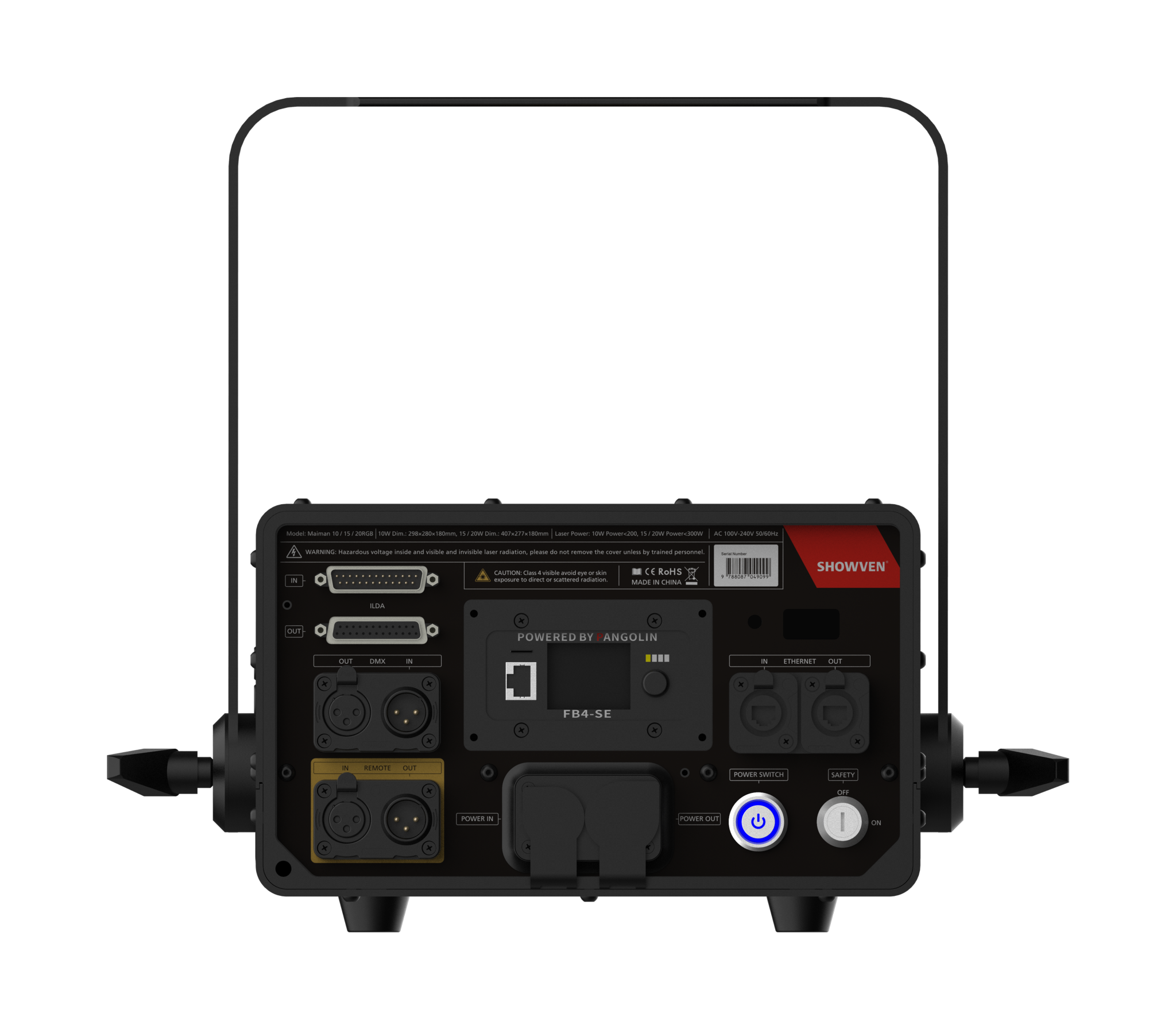
There is more. Old control paths may stack DMX hops and add latency. Galvanometer scanners in modern systems paint frames at high speed, while ILDA-style routing keeps shapes consistent across cues. Without that steady pipeline, shapes drift or pop. Power supply noise from low-grade power converters can ripple into drivers and drop stability. And safety interlocks, if basic, demand wider kill zones—less freedom to draw tight, smart looks. The result is a show that feels almost right. Almost. Precision is possible, but old workflows fight it at each step.
Next-Gen Control: From Precision to Presence
What’s Next
The forward shift is not magic. It is engineering that respects time, edge, and heat. New laser systems use fast diode modules, better thermal paths, and smarter drivers to keep beams sharp under load. With stage lasers, DSP-based scanning smooths motion and reduces flicker. Edge computing nodes near the rig trim network delay, so cues land on beat even in complex stages. And yes, frame integrity stays strong at long throws because the optics manage beam quality, not only brightness—funny how that works, right?
In real tours, that means cleaner letters in the sky, tighter fans over the crowd, and safer envelopes that do not kill the vibe. Timecode aligns hits with sub-bass. Improved diode drivers and stable power converters prevent wobble across a long set. The net effect is less guesswork for the operator and more trust in the rig. Here is the practical close: think in metrics. First, beam integrity over distance (divergence and measured edge sharpness). Second, end-to-end latency from console to scanner, including network hops. Third, duty-cycle stability under heat, monitored by onboard diagnostics. Compare these across options, and you will see why precision feels like emotion on show night. Choose with calm and purpose, and the room will answer back. For deeper study and reliable references, you may look to Showven Laser.