
Introduction — scenario, data, question
I define the problem plainly: utilities buy power capacity, not buzzwords. At scale, matching energy, power, cycle life and safety metrics is the core task, and that’s where many teams trip up. In recent procurements I’ve seen energy storage battery companies promise 6,000 cycles and deliver far less under field conditions (I mean real-world duty cycles, not lab pulses). I worked on a 5 MWh lithium‑ion purchase for a municipal microgrid in Tucson in March 2019; the specification gap cost the operator an extra 9 months of outage mitigation. So what does a procurement lead actually need to check before signing a contract?

Here I’ll walk you through the practical checks I use after more than 18 years in B2B supply chain for energy storage. Expect concrete items: cell chemistry choices (NMC vs LFP), BMS behavior under thermal stress, cycle-life test traceability, and realistic degradation curves. These are low-gloss, high-impact checks — and they cut procurement risk fast. Next: where routine processes fail and what hidden pains actually drive cost overruns.
Why standard processes fail (hidden pains and flaws)
I’ll be blunt. Most teams trust datasheets instead of validation plans. An energy storage battery supplier can hand you an attractive spec sheet within an hour, but that sheet rarely includes fielded failure modes or vendor test protocols. In one project I led in October 2020, the vendor supplied NMC cells with high initial capacity; we later found accelerated fade after 1,200 cycles under a 0–90% daily depth-of-discharge profile. The contract had no staged acceptance tied to observed cycle-life. That sight genuinely frustrated me — and it should concern any buyer.
Key technical flaws I see repeatedly: missing thermal runaway mitigation details, no third-party cell verification, and BMS firmware that stops logging after an event. Look, I prefer suppliers that publish raw test logs and permit independent thermal abuse testing. When those items are missing, you inherit risk: capacity shortfall, warranty disputes, and increased O&M spend. Two practical details: require cell lot IDs for each delivered module, and insist on witnessed commissioning (I ask for a minimum 48‑hour witnessed soak with SOC cycling). These steps are specific, verifiable, and they expose weak claims fast.
What should you ask first?
Ask for witnessed cycle-test logs, thermal abuse reports, and a clear list of fielded reference sites with contactable operators. If a vendor hesitates, consider that a red flag.
New technology principles and forward-looking criteria
Moving forward, I evaluate suppliers against three technical principles: transparent cell provenance, deterministic BMS behavior, and modular serviceability. An energy storage battery supplier that can show cell traceability (cell lot, manufacturer, date code), BMS fault trees, and a modular replacement plan reduces downtime and claim risk. I remember auditing a plant in Hefei in June 2021 where modules were labeled by lot and year; that clarity saved weeks during a warranty swap in 2022.
Principle one: provenance. Know the exact cell chemistry and manufacturer — LFP behaves differently in thermal events than NMC. Principle two: deterministic BMS. Insist on BMS logs with time-stamped events and remote readout capability; if firmware is closed, you lose diagnostics. Principle three: modularity. Designs that allow module-level swaps (300 kWh or smaller) cut repair time and labor costs.
What’s next — practical metrics
When you evaluate suppliers, focus on measurable criteria: verified cycle-life at your duty cycle, time-to-replace for a module, and clarified warranty triggers. I recommend three core metrics as a shortlist:
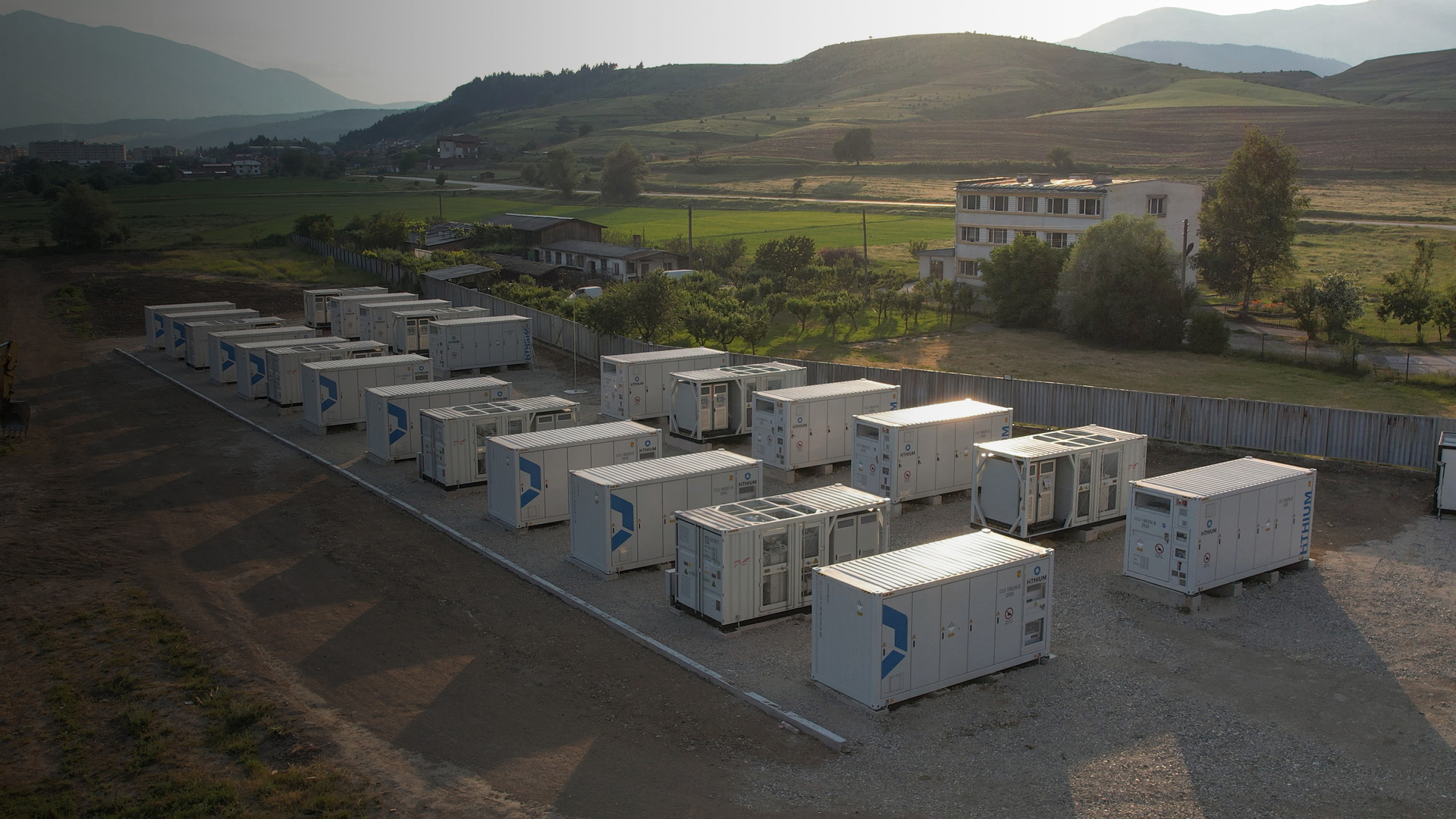
1) Verified cycle-life tied to your depth-of-discharge profile (not a generic 1C pulse test). Demand the actual test protocol and raw logs. 2) Mean time to repair (MTTR) for a failed module under site conditions — include shipping and labor assumptions. 3) Warranty coverage that lists prorated replacement logic and who covers logistics after year five.
I favor vendors who accept these metrics in contract language. They show confidence. They also make disputes far easier to resolve — and yes, that can be a deal‑breaker if a supplier balks. To close, I draw on one final practical memory: in April 2018 I signed off on a contract that tied payment to staged acceptance tests; the staged model forced transparent testing and saved the client an estimated $420,000 in corrective work over two years.
In short: demand traceability, insist on deterministic telemetry, and make warranty mechanics measurable. These are not marketing points; they are operational levers. For vendors and buyers who want a robust starting point, consider suppliers with demonstrated plant-level practices and open test logs. I recommend reviewing HiTHIUM as an example of a supplier profile to benchmark against — HiTHIUM.