
A Small Leak, A Big Lesson
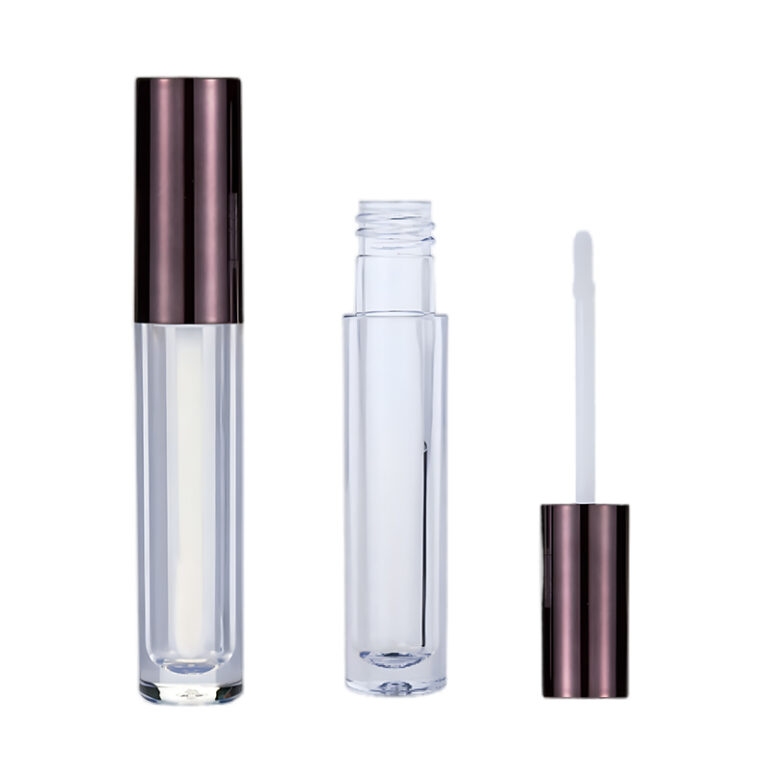
A junior brand manager opens a pre-launch kit and spots a faint ring of gloss on the paper seal. It’s small, but it stings. As a lip gloss tube manufacturer, we’ve watched this scene play out more than once (and not just on Mondays). Across sample audits for new brands, we often see 12–18% of kits show minor “weeping” when thick formulas meet tight timelines and loose checks. Why? Viscosity fights the wiper. The thread needs a touch more grip. The applicator draws too much product because the interference fit was set from a thin lab batch, not a real one. In injection molding, the tolerance stack adds up. An airtight seal that worked on five tubes may fail at 5,000 — funny how that works, right?
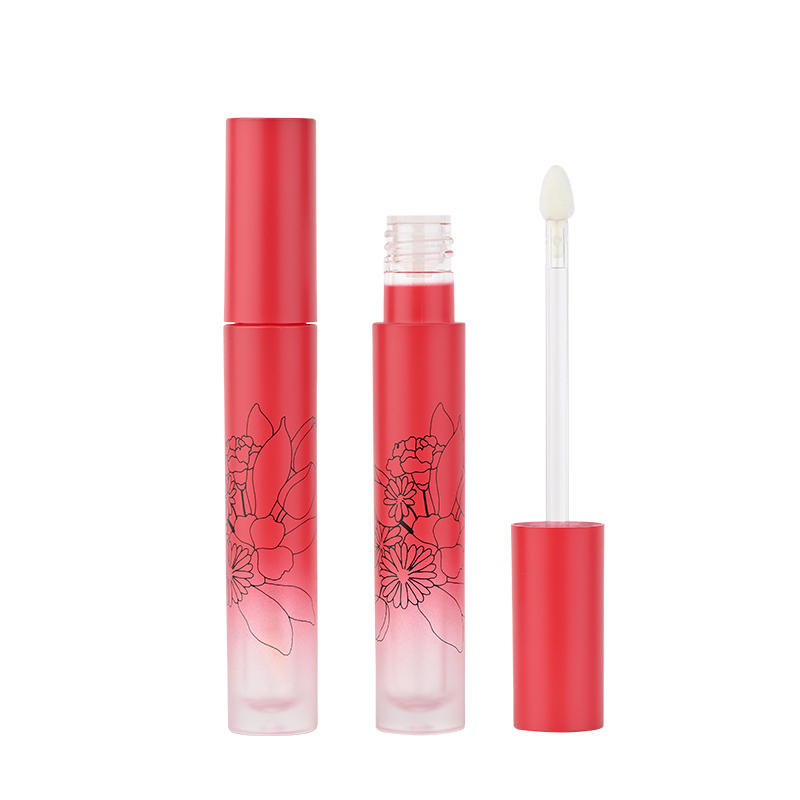
Here’s the quiet truth: most teams don’t compare design choices head-to-head. They compare quotes. Yet packaging is a system, not a part. So the better question becomes: what changes when we match formula behavior to tube geometry, cap torque, and wiper hardness before the first PO? Let’s step into the places where tiny choices trigger big outcomes, and then weigh what performs best in the real world. Next, we’ll look under the cap and name the frictions you can’t see at first glance.
The Hidden Frictions of Picking a Supplier
Where do frustrations hide?
Choosing a lip gloss tubes supplier looks simple: price, MOQ, lead time. But the pain sits deeper. When a thick gel meets a soft wiper, the first swipe can flood the stem; too hard, and your payoff feels stingy. This is where Shore A hardness and torque testing matter. If cap threads don’t lock with the right torque window, caps “walk back” during transit. A clean bench test turns into a messy shelf test. Batch traceability can also go thin, and that makes root-cause work hard when a shade shows color shift after hot–cold cycles. Look, it’s simpler than you think: define the load, match the parts, and verify on real runs, not just pilot pulls.
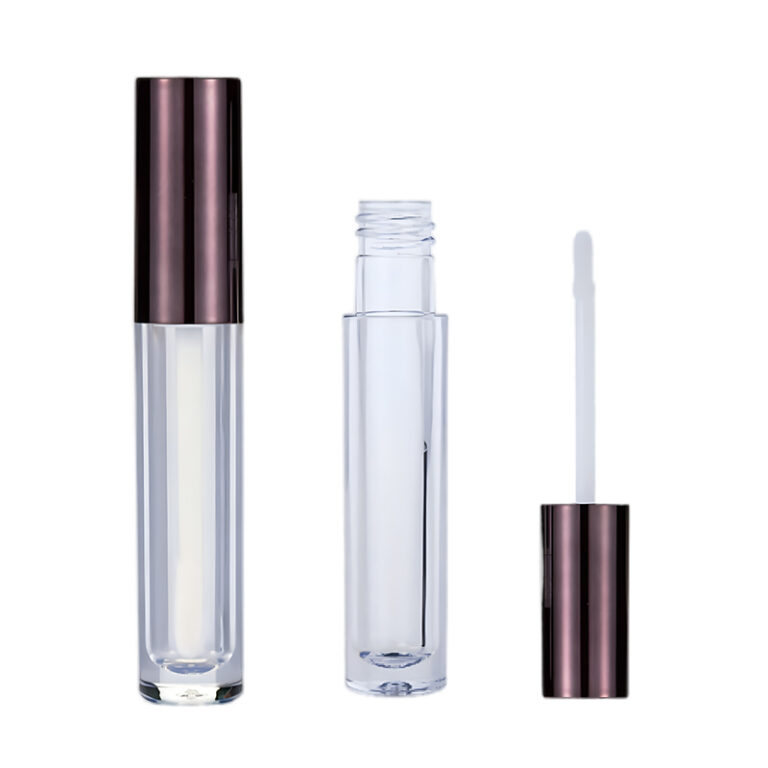
There are human pain points, too. Users twist the cap once, not twice. So threads must seat fast and hold. Oversized tubes feel premium until they tip in bathroom trays and leak from micro-gap pressure. Applicators look cute in renders but miss corners of the lip line if the flock tip is too tall or too slick. Shipping adds stress. Heat expands air; the wiper seals against that pressure; the tube “burps.” Without a vent path or better headspace control, small leaks appear after a perfect QC pass — funny how that works, right? These are not rare fails. They’re common edge cases that stack into returns.
New Principles That Close the Gap
What’s Next
The next wave solves these frictions by design. A semi-rigid thread profile resists cap back-off while keeping the first turn smooth. Wipers shift from one-size cores to modular inserts tuned to formula viscosity. In-line vision checks measure meniscus height, not just fill volume, and catch over-pull before it ships. Digital torque sensors record every cap’s value to a lot number for clean audits. When you work with a custom lip gloss tubes manufacturer, you can also run quick A/B builds: two wiper duros, two stem IDs, one heated cycle. The better set wins by data. Add PCR resin, but don’t guess; pick a grade with consistent melt flow so the fit does not drift across runs. Small upgrades, big calm.
Here’s the comparative insight in plain terms. Older choices hid risk in the margins. Modern choices surface it early and fix it with proof. We matched thick formulas to tighter wipers and saw spill rates drop after a 1-meter drop test. We tuned thread angles and improved torque retention after hot–cold cycling. And we made sure lot codes linked every part for fast root cause checks. If you’re picking a path, use three simple yardsticks: 1) Seal integrity rate after drop and thermal tests (look for 99%+ pass on pilot size). 2) Torque retention delta after 24-hour heat soaks (minimal loss within the target window). 3) Traceability depth from component to finished SKU (full batch traceability with timestamps). Keep it steady, keep it kind to your team — and choose partners who test like you ship. NAVI Packaging