
Introduction — a small scene, a bigger question
I once sat with a friend in Lagos who could not sleep for love nor money; she tossed and turned, muttering about screens and stress. The red light bed was suggested by her cousin, and she tried it — simple really, but the change was noticeable. In many studies, modest gains in sleep quality show up after regular exposure to certain wavelengths, and that made me wonder: could a nightly 15–20 minute session actually shift body clocks for ordinary people? (I mean, who wouldn’t want deeper sleep and less morning grogginess?)
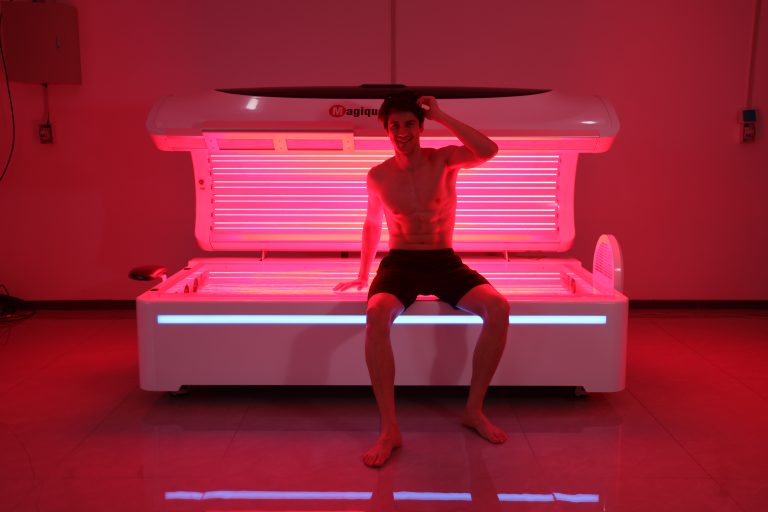
We know a few facts. Photobiomodulation targets specific wavelengths that interact with skin and the brain’s regulation of melatonin. A red light bed delivers controlled irradiance from an LED array at set wavelength bands to help reset circadian cues. Yet data vary — some trials show big wins, others small changes. So I ask: when does a red light bed help, and when does it just make a nice night lamp? This piece will walk through the problem, show where typical approaches fall short, and point to better ways forward. Stay with me — I’ll keep it plain, no jargon-heavy detours.
Part 2 — Why common fixes miss the mark (technical deep dive)
collagen bed therapy gets thrown around as a panacea these days, and I’ve seen clinics pitch it like the silver bullet. Let me be frank: many traditional sleep fixes — late-night blue-light blockers, over-the-counter sleep aids, or generic light boxes — treat symptoms, not the underlying rhythms. From a technical view, the issue is often misapplied wavelength and insufficient power density. Photobiomodulation requires specific wavelengths and consistent irradiance to nudge melatonin cycles. If the LED array is weak or the spectral output drifts, you get little more than mood lighting.
So what exactly fails?
First, poor spectral tuning. People think ‘red is red’ but there’s a difference between 630 nm and 660 nm for tissue response. Second, inconsistent session timing. You need to align exposure with circadian windows — otherwise you can phase-delay instead of advance. Third, lack of monitoring: no one measures irradiance or tracks changes reliably. I’ve tested devices where the control board and power converters were under-specced — and the result was variable irradiance. Look, it’s simpler than you think: match wavelength, control power, and time the dose. — funny how that works, right?
Part 3 — Moving forward: new principles and practical outlook
Now we look ahead. I’m more hopeful when I see systems designed with clear tech principles: calibrated spectral output, user-timed sessions, and feedback loops. New devices are marrying simple sensors with smart scheduling to deliver predictable doses. That means near-infrared channels combined with precise red bands, and measurable power density so users and clinicians can compare outcomes. When I test a setup, I check spectral output and irradiance stability — those two tell me if the therapy will likely be effective.
What’s Next?
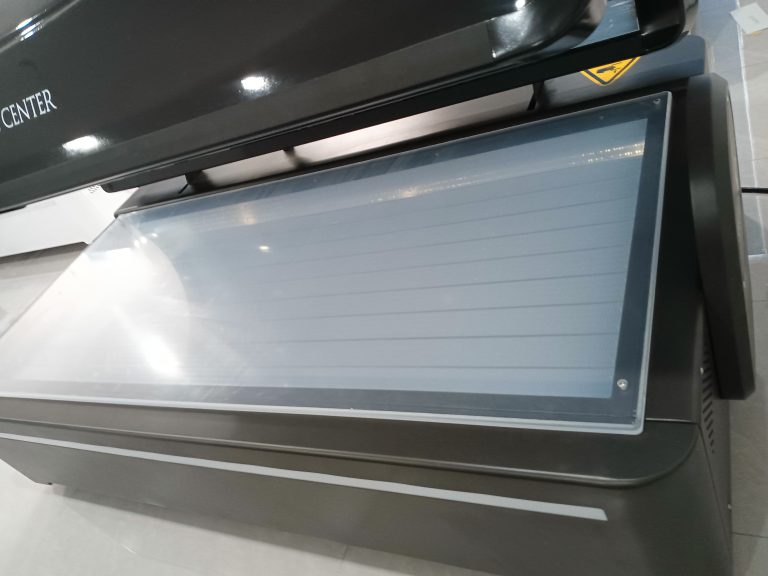
In practice, a future-ready red light bed will include reliable controls, a verifiable LED array specification, and easy logging so you can track sleep changes over weeks. Some pilot clinics already pair collagen bed therapy with sleep diaries and actigraphy. That combo gives you both subjective sleep quality and objective movement data — and that’s the comparison we need to make smart choices. I’m optimistic, but cautious; the technology is advancing, yet many products still miss calibration. We should demand measured outputs, not vague claims.
Closing — how I’d evaluate options (three practical metrics)
I’ll leave you with actionable metrics I use when choosing a red light bed. First, check spectral accuracy: does the device list peak wavelengths and show a spectral output chart? Second, verify irradiance and stability: is the power density consistent over the treatment area and across sessions? Third, look for measurement and logging: does it record session times, intensity, and allow simple export so you can correlate use with sleep changes? These three make the difference between hopeful marketing and tangible results.
Weigh those metrics, ask for specs, and invite a measurable trial. If you do that, you’ll find whether a red light bed fits your routine, not just a flashy add-on. I’ve seen modest habits turn into real improvements — small shifts that matter. And if you want a starting place for devices and designs I trust, check out Magique Power.