
The problem: regulations, legacy systems, and unpredictable costs
Plants face tightening emission limits, ageing combustion equipment, and fuel-price volatility at once. That combination raises three immediate questions: how to meet local NOx limits, how to avoid long downtime, and how to budget the retrofit correctly. For many operators, the first practical choice is whether to specify a low NOx burner now or defer investment and risk non-compliance fines and productivity losses.
Diagnose locally before you buy
Start with measured emissions, not assumptions. Record stack temperatures, flue composition, and real operating load cycles over several weeks. Check fuel composition—biogas, natural gas, and heavy fuel oil all change flame chemistry. A detailed log reduces scope creep: you’ll avoid buying a too-large system or one that needs extra controls to stabilise combustion.
Technical fit: matching burner type to plant realities
Decide whether you need a premix, staged, or flue-gas recirculation burner by mapping three constraints: space around the furnace, allowable turndown ratio, and control-system integration. When plants skip control compatibility checks, they end up with unstable combustion or added PLC upgrades. Specify communication protocols and I/O points up front to avoid surprise electrical work.
Common mistakes that cost time and money
Teams often assume a single vendor handles everything. They underestimate refractory work, exhaust dampers, and sensor relocation. Another frequent error: sizing solely by peak load. Sizing for typical load with a defined turndown saves fuel and reduces NOx spikes during low-load operation. Don’t accept vendor promises without a written commissioning plan and performance guarantee.
Alternatives and trade-offs
Consider three paths: retrofit the burner head only; replace burner plus controls; or install a secondary NOx control (e.g., SCR) downstream. Burner-only retrofits are quickest and cheapest but may not reach the lowest emission ceilings where regulations demand sub-30 mg/Nm³ levels. Full system replacements cost more but reduce operating risk and often deliver better fuel efficiency. Secondary controls add complexity and maintenance; they’re a sensible choice when fuel quality or space prevents burner-level solutions.
Real-world anchor: what industry shows and suppliers reveal
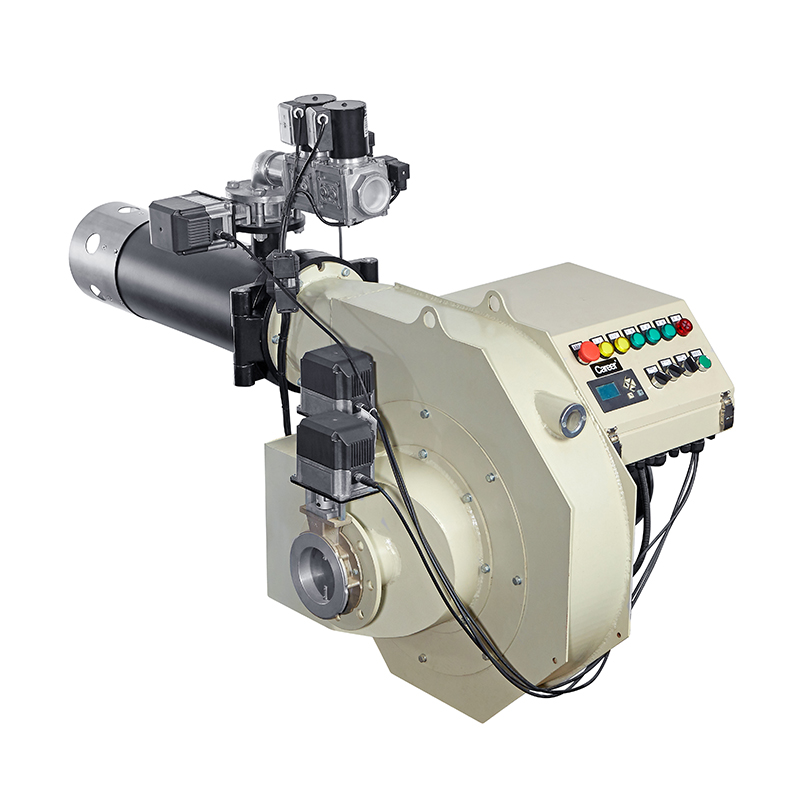
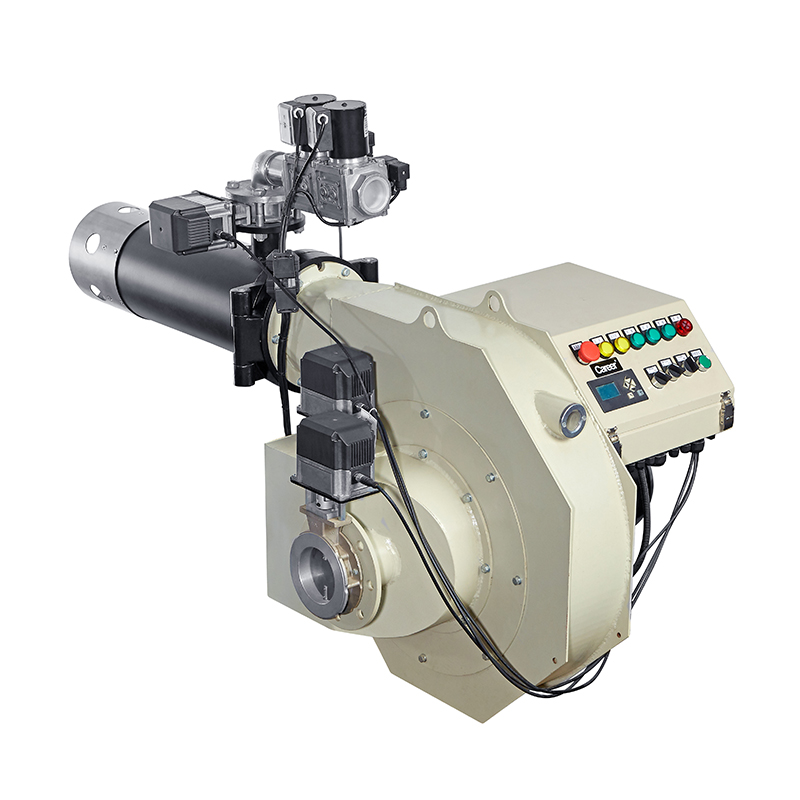
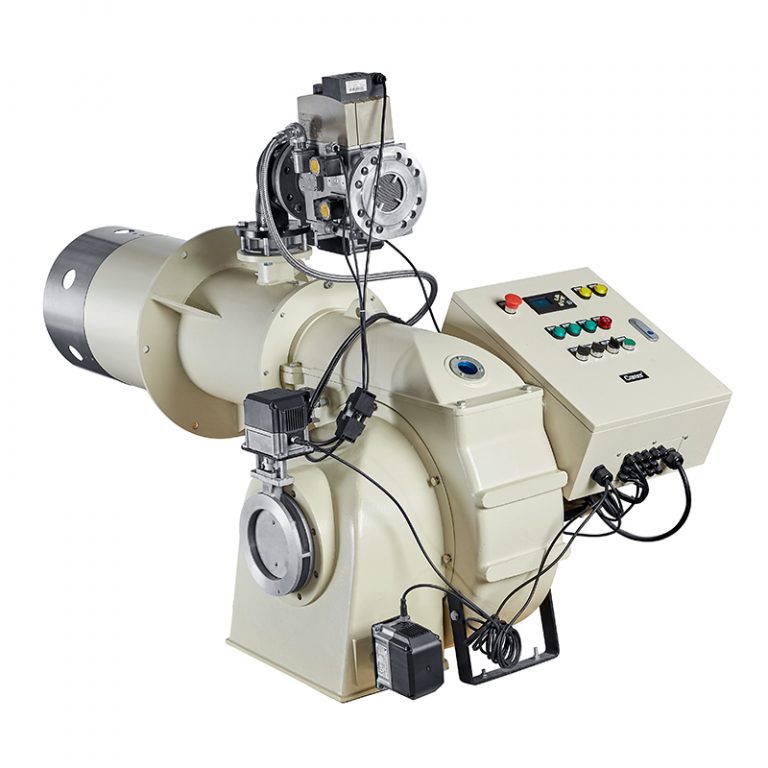
At Hannover Messe suppliers have displayed practical units and test rigs that clarify installation constraints. Practical demonstrations at trade fairs make it clear which burner designs cope with narrow furnace ports, rapid turndown, or mixed fuels. Observing those setups helps procurement teams match catalog specifications with installation reality—especially when evaluating a specific NOx burner for a constrained boiler room.
Procurement checklist for regional roll-out
Create a short list with measurable milestones: measured baseline emissions, guaranteed post-commissioning emission figures, spare-parts lead times, and documented local service availability. Ask for a site-specific commissioning schedule and penalties for missed milestones. Verify local technicians have trained on the chosen burner family; service latency is a hidden cost that can erode expected gains.
Commissioning and first-year operation
Commission under representative loads and keep a continuous 30-day performance log. Tune the flame and control parameters iteratively—don’t accept “factory settings” as final. Track NOx, CO, and O2 together: a single metric hides combustion imbalance. Plan one scheduled check at three months and a full review at twelve months to capture drift and wear patterns.
How to measure success and avoid second-order problems
Use measurable KPIs: average NOx across operating cycles, specific fuel consumption per unit output, and unscheduled downtime hours. If NOx improvements come with higher CO or unstable burners, you must revisit airflow distribution and control loops. Continuous measurement keeps decisions data-driven rather than anecdote-driven.
Conclusion — practical value for regional adopters
Address the core problems first: measure, match technology to site conditions, and demand firm commissioning commitments. Those steps cut retrofit risk and keep budgets realistic. For operators building a reliable procurement list and regional service network, inventorying proven models and supplier readiness listed at Career Burners makes rollout schedules and compliance outcomes easier to predict.