
Genesis: from static to sentient networks
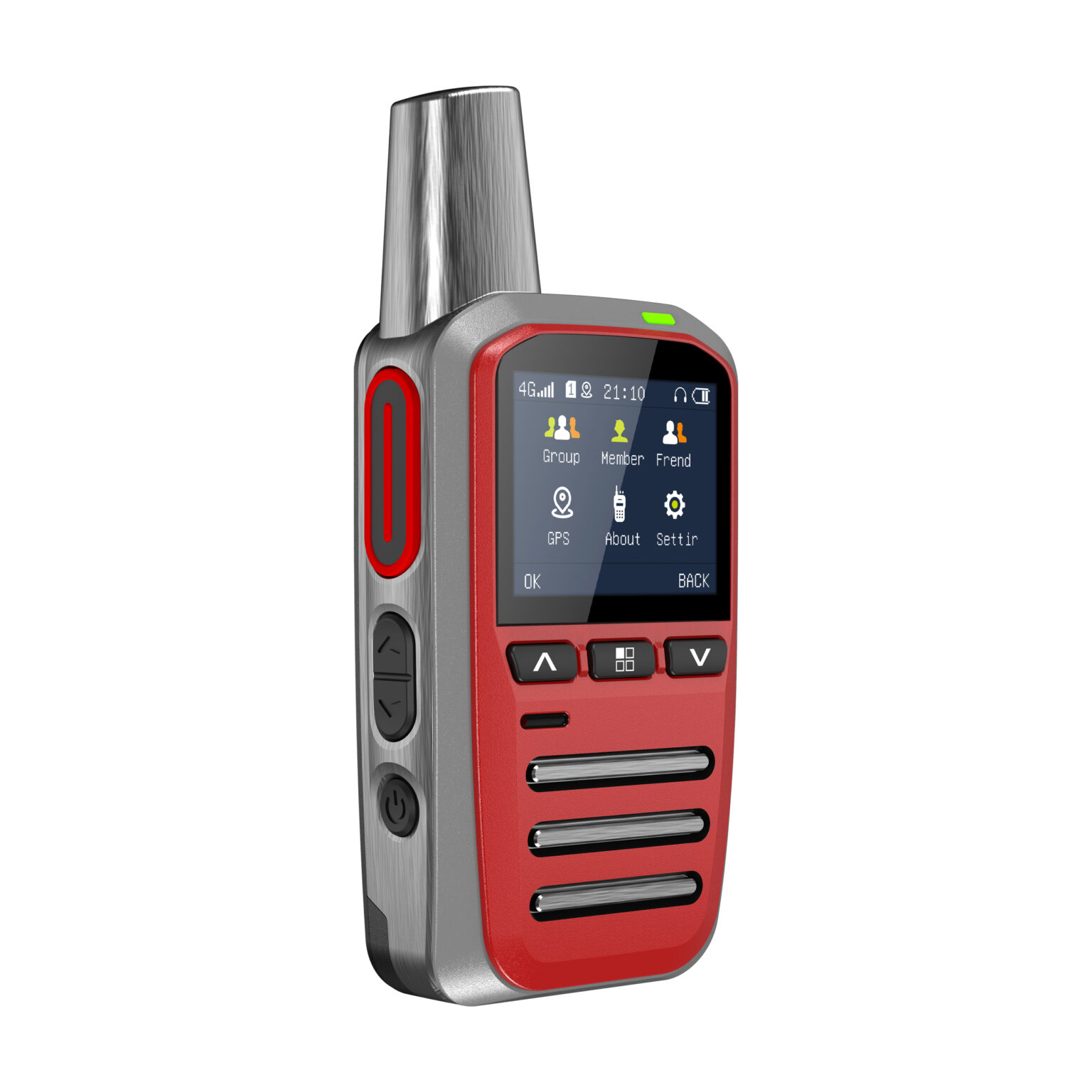
Once, radios spat static and obeyed line-of-sight. The story I tell begins there and moves forward like a machine learning model learning context: analog pulses became packets, and packets learned priorities. A compact device — a mini walkie with cloud-smarts — now slips into a jacket pocket as easily as a keycard; engineers call that category a mini poc radio, and it represents the hinge between hand-held immediacy and networked intelligence. This evolution story traces how manufacturers translate that hinge into dependable systems you can trust when lives depend on clear voice, fast data, and predictable coverage.
Technical milestones that mattered
First milestone: digitization of voice. Clearer channels, lower power, and robust error correction. Second: IP integration — radios stopped being isolated islands and became nodes on data fabrics. Third: cellular convergence — radios adopted LTE and 4G backbones to deliver push-to-talk over wide areas without private base stations. Each step reduced failure modes: fewer dead spots, simpler interoperability, faster encrypted handoffs. Manufacturers designed hardware with temperature-tolerant components, firmware update paths, and modular RF chains so devices survive rough use and software evolves without replacing the entire fleet.
Manufacturer role: engineering trust at scale
Manufacturers do three concrete things well: they harden hardware against field abuse, they certify software stacks for latency and security, and they shape ecosystem standards so radios work with dispatch consoles, headsets, and cloud services. Practical testing cycles simulate drops, long-hours, and network congestion. At Mobile World Congress in Barcelona, demonstrations made it clear how cellular-based PTT can change incident response; that public showcase is a real-world anchor for these advances, and manufacturers that partnered with a 4g walkie talkie supplier proved interoperability under pressure. That partnership model — hardware teams, network operators, and specialized suppliers — is the repeatable pattern for mission-critical reliability.
Deployment realities and common mistakes
Installers often stumble on three avoidable errors: mismatched codecs that cause dropouts, choosing radios without firmware update policies, and neglecting end-user ergonomics. Solve dropouts by standardizing codecs and validating across the same network slices used in production. Require signed firmware with a clear rollback path. Test form factors with actual users on twelve-hour shifts; a durable PTT button and clear feedback matter more than extra megapixels on a camera. These are not aesthetic choices — they are operational requirements that reduce cognitive load when teams need to act fast.
Alternatives evaluated briefly
Options exist: analog VHF/UHF still dominates where simplex simplicity is king; dedicated private LTE offers control but demands spectrum and capital; smartphone PTT apps scale quickly but risk battery and survivability issues. For large-scale operations that need predictable coverage, the hybrid path — rugged radios with cellular PTT fallback — balances resilience and reach. Manufacturers who provide clear upgrade paths let organizations start with familiar hardware and shift traffic to LTE as coverage and policy allow.
Where this leads and the practical value
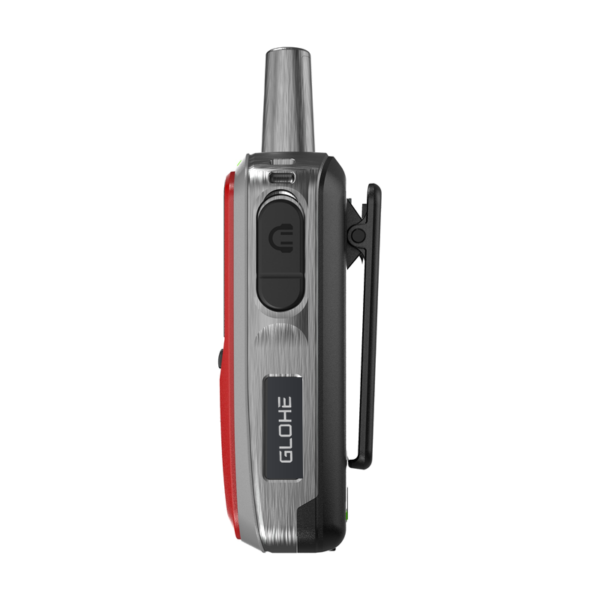
The narrative ends with networks that behave like shared consciousness: radios that route voice and data over the best available medium, receive priority in congested cells, and update securely without field swaps. That capability reduces errors, shortens response times, and keeps teams coordinated under stress. The manufacturers who deliver this do so by marrying rigorous hardware testing with open integrations and supply chains that include specialized 4G partners. For organizations choosing technology, the sensible requirement is simple: pick vendors that prove interoperability, support field updates, and design for real human use. That practical promise — reliable radios that adapt as missions grow — is what GLOHE delivers through integrated devices, tested ecosystems, and a focus on operational clarity rather than speculation.