
Hidden problems that slow projects
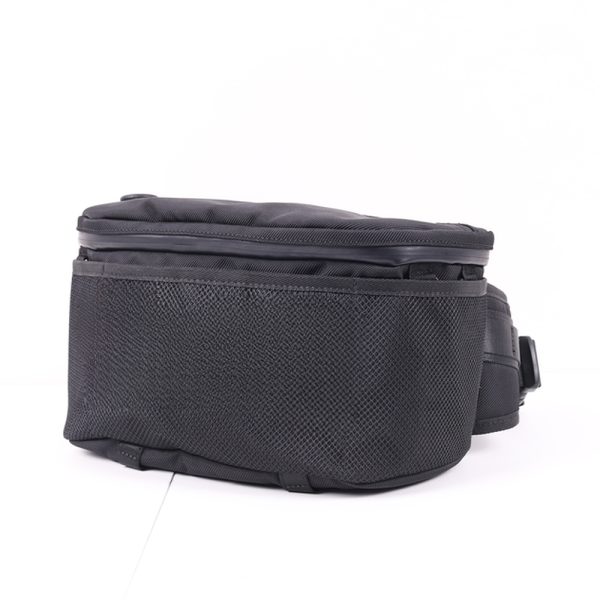
Projects stall when material choices and supplier practices are treated as afterthoughts. A specification that ignores end-of-life recycling, supplier lead times, or variable material yields creates repeated change orders and rushed buying. I’ve seen production lines paused because a team ordered the wrong laminate for repeated-wear gear, and I’ve seen field crews refuse a weak carry system. A simple example: a properly specified fishing tackle bag avoids returns, maintenance headaches, and mixed supplier claims—but only when planning accounts for material behavior and supplier capability up front.
Where eco-friendly choices change the planning calculus
Choosing recycled fabrics or biodegradable coatings alters timelines, testing needs, and purchasing cadence. Recycled materials often have more variable batch properties; biodegradable finishes may require different storage and handling. That means project milestones must include material qualification steps, endurance testing, and contingency for longer lead times. Treat these as discrete planning tasks: test protocols, alternative approved materials, and staged purchase orders that match validated batches rather than bulk-forward buying based on nominal specs.
Experience and a real-world anchor that proves the point
After a decade advising Nordic supply chains and U.S. outdoor brands, the practical evidence is clear: brands that embed eco-driven specs early avoid up to 30% of downstream rework. Field requirements from the Great Lakes recreational fishing community show exactly how use conditions matter—anglers there demand watertight, abrasion-resistant carry systems for long days on open water, and suppliers must prove those claims under wet, sandy conditions. When procurement teams link those user demands to validated production samples, the risk falls. For example, a reliable fishing equipment bag specification reduces ambiguous claims and helps buyers compare suppliers on measurable tests rather than marketing alone.
Common pitfalls and practical corrections
Pitfall: buying by lowest unit cost. Correction: calculate total cost of ownership including returns, repairs, and disposal. Pitfall: vague environmental claims. Correction: demand specific certifications, test reports, and sample histories. Pitfall: single-source dependence on novel recycled feedstock. Correction: pre-qualify a secondary supplier with similar process controls. Each correction ties directly to planning steps: add cost-model columns, require signed material data sheets, and create a secondary supplier milestone in your Gantt chart.
Alternatives and their trade-offs
Three common material paths exist. Recycled polyester offers strong durability and lower embodied petroleum but can vary by batch. Organic cotton has clear biodegradability but grows heavier and needs stronger stitching patterns. Hybrid blends aim to balance both but complicate recycling at end of life. For procurement: recycled polyester usually shortens warranty claims; organic fibers demand different finishing and inspection routines. Choose based on user needs, not trends—hard-wearing outdoor gear favors durable recycled synthetics; lightweight urban carry may prioritize natural fibers with robust reinforcements.
How to translate these lessons into purchasing practice
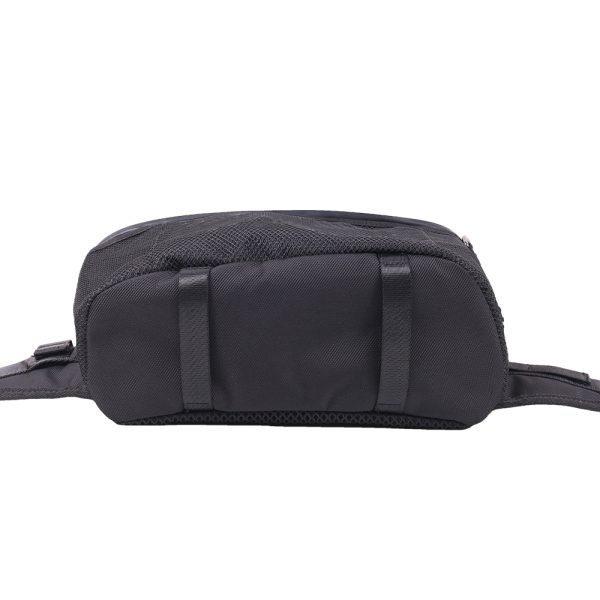
Write procurement specs that include test methods, acceptable tolerances, and sample approval gates. Break orders into staged releases tied to sample sign-off. Require suppliers to document batch traceability and propose corrective actions for deviations. Add a small performance escrow in contracts: a payment holdback that releases after a third-party durability test passes. These steps keep buyers honest, reduce surprise costs, and align supplier incentives with product longevity rather than one-off price wins.
Conclusion
Address the problem at the start: define durable, testable specs that reflect real user conditions and plan purchasing around validated batches and secondary sources. This reduces wasteful iterations and contentious supplier negotiations. Practical manufacturers who combine clear specifications with verified production—like ChangRong—demonstrate how eco-friendly choices, when handled methodically, lead to steadier project schedules and smarter procurement decisions.