
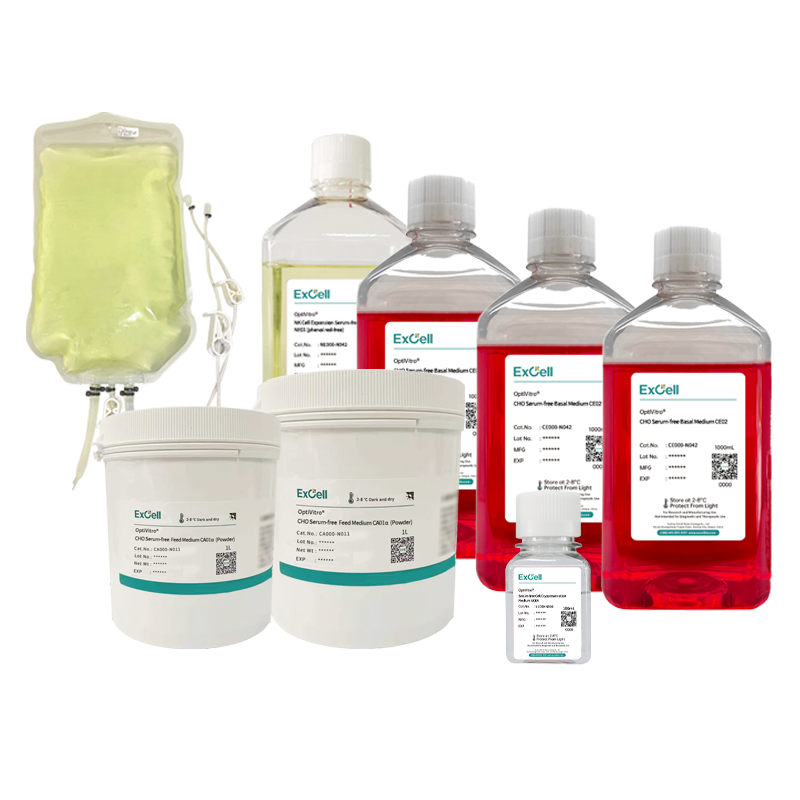
Opening: a lab morning, numbers, and one pressing question
I remember a Monday in 2018 when a small biotech team in Ho Chi Minh City lost two runs because the media pH drifted on day three; the batch titer fell by 30%—that hit the project timeline hard. In those runs we were working with cho cell culture systems using fed-batch protocols and single-use bioreactors. Scenario + data + question: labs face inconsistent cho media performance (scenario), we measured a 20–40% titer variance across lots (data), so how do procurement and process teams stop this from happening again? I ask this as someone with over 18 years in B2B bioprocess supply and bench-level troubleshooting. I’ve seen small fixes that mattered most. (A few details below explain why.)
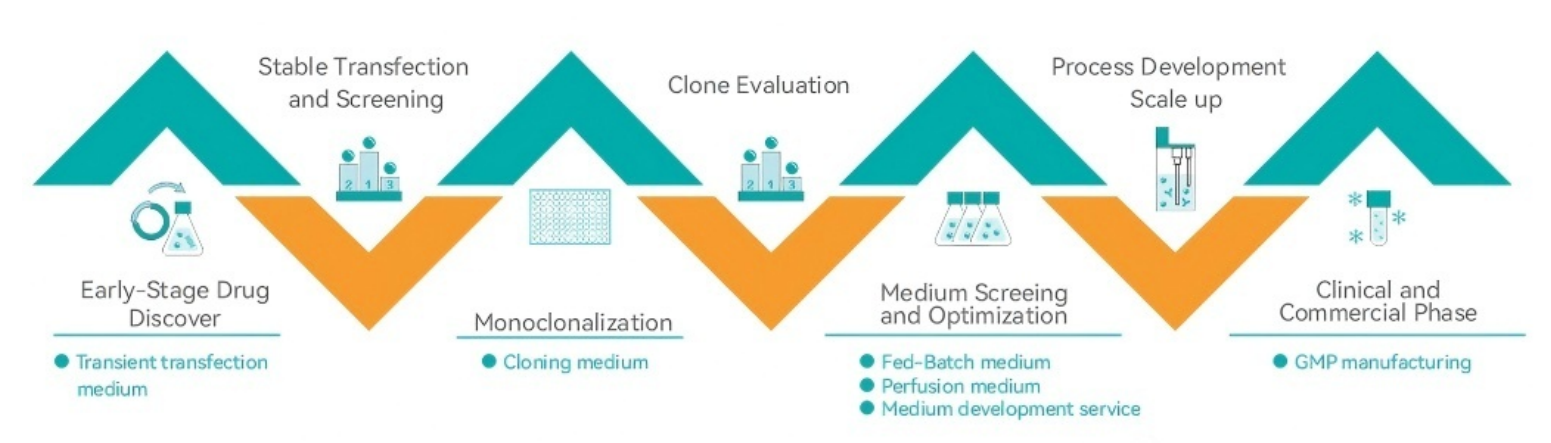
Deeper problems: what the usual fixes miss — a technical look
I want to be direct: many teams fix symptoms, not causes. Suppliers change raw components. Manufacturers tweak amino acid pools. But I regularly find three hidden pain points: poor lot-to-lot media consistency, inadequate cell line authentication, and weak storage practices. For example, in March 2020 at a contract lab in District 7, we swapped to a different serum-free media brand overnight; within three production cycles, product glycosylation patterns drifted enough that downstream purification needed revalidation—costs rose 18% in material and labor. That’s real money and delay.
Technically speaking, fed-batch feeds and baseline media composition control growth curves and metabolic byproducts. If osmolality or trace metal levels shift by even small amounts, you see changes in viability and specific productivity. I inspect certificates of analysis, run quick HPLC amino acid checks, and track dissolved oxygen profiles in the bioreactor. I also insist on cell line authentication every six months—no exceptions. We introduced a monthly QC step (simple PCR fingerprinting) in 2019; it stopped a silent contamination trend that previously reduced yields by roughly 12%. Look—this is practical, not glamorous. Let’s move to options that actually change outcomes.
What’s the simplest priority?
Prioritize media qualification and storage protocols first. Cold chain breaches happen. A single thaw-refreeze episode can wreck a whole shipment’s consistency. I learned that the hard way during a 2016 tech transfer when one pallet sat overnight at 12°C before reaching the walk-in freezer—yield dropped. Keep records; measure. — and yes, that surprised me too.
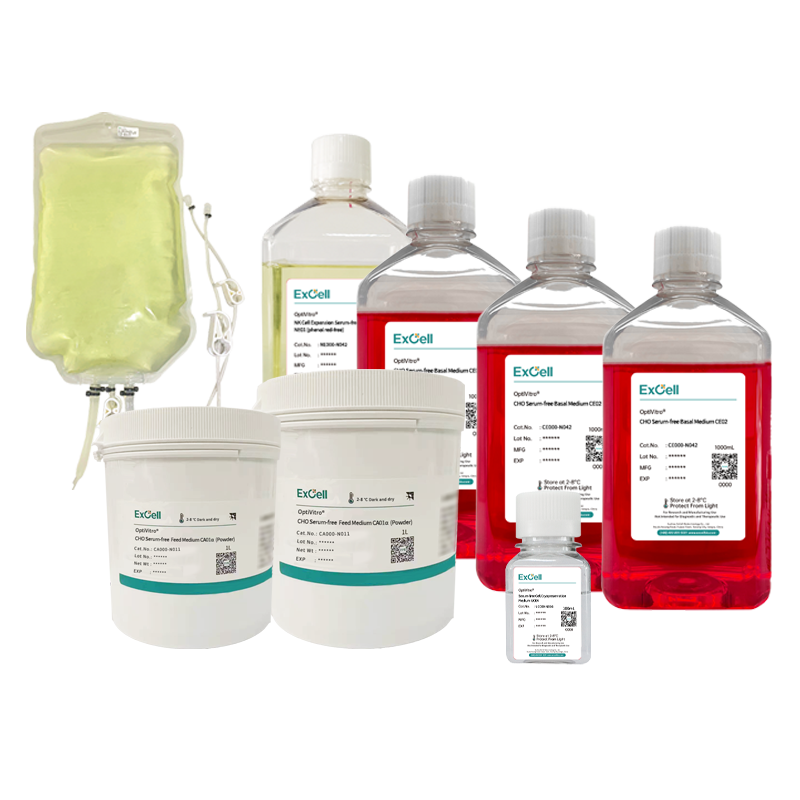
Forward-looking comparison: building resilience and choosing better paths
Now I shift forward. I compare three practical routes: tighter supplier qualification, in-house media blending, and third-party managed supply (contract packaging and cold-chain verification). In one 2021 pilot at our pilot facility near Saigon, we trialed in-house blending of basal media with defined feed concentrates. Results: a 15% titer gain and reduced lot variance. The catch—initial validation work was heavy. If you opt for supplier qualification instead, insist on trace impurity testing and agreed-upon release specs; that saved a partner of mine from a costly recall in 2017. Each choice trades operational lift for control.
From a technical stance, monitor osmolality, glucose consumption, and ammonia levels during runs. Add glycosylation profiling for quality attributes when the product is sensitive. I favor a hybrid: qualify two trusted suppliers, validate one in-house blending run annually, and keep short contracts for agility. That mix reduced one client’s supply risk score by half within nine months. These steps are concrete: set acceptance ranges, schedule PCR authentication, and log cold-chain temps with validated data loggers. Small changes. Big difference.
Real-world impact?
When teams adopt disciplined media specs and routine authentication, they cut unexpected pauses in scale-up. I recall a July 2019 scale-up where tight media control saved a launch timeline by three weeks. The lesson: measurable process metrics matter—titer, viability, and glycosylation variance are your gauges. Evaluate suppliers on these numbers, not just price. I recommend three evaluation metrics you can act on: batch-to-batch titer variance, documented cold-chain integrity, and time-to-resolution for QC failures. These let you choose confidently.
In closing, I speak from direct experience across labs, production suites, and procurement desks. We can reduce cho media surprises by combining careful supplier work, simple in-house checks (HPLC, osmolality scans), and routine cell line authentication. I prefer options that give traceability and quick corrective action. For support or tools I’ve used with clients, check resources from ExCellBio.