
Introduction — What’s really going wrong out on the water?
Have you ever set off for a quiet afternoon on the lake and watched your plans drift away as the boat slowed to a crawl? I have — and that moment sticks with you. The heart of the problem often sits under the deck: the electric motor is pushing, but the boat isn’t moving like it should. Recent user surveys and field tests show that many small craft lose up to 20–30% of expected range or thrust because of mismatches between motor specs and real conditions (wind, current, payload)—so what’s the fix?
I want to walk you through how I look at the trade-offs: power, control, and reliability. We’ll talk about torque curves, controller choices, and the real limits of battery chemistry. No heavy jargon — just practical thinking and a few hard numbers to anchor decisions. Stick with me; I’ll point out the traps I’ve seen and the solutions that actually work — then we’ll compare where modern tech changes the game.
Part 2 — Why common fixes keep falling short (technical diagnosis)
electric boat motors get sold on top-line specs: kilowatts, peak RPM, and a neat efficiency chart. But those numbers live on a test bench, not in chop and crosswinds. I’ve watched owners swap propellers, upgrade battery packs, and reprogram controllers — and still fight overheating or poor low-speed thrust. The issue? Most “fixes” ignore system-level mismatch. A high-kW motor with a torque curve tuned for speed won’t give you low-end punch when you need it—so you get stall or heavy current draw. Terms to know here: torque, inverter, and controller tuning. These matter more than raw watts.
Look, it’s simpler than you think: change one component without checking the rest, and you swap one bottleneck for another. Prop pitch, motor Kv, and the inverter’s current limit must be aligned. Hall sensors or encoder misreads, for instance, create jitter that a bow-thruster test won’t reveal. I once recommended a controller recalibration instead of a new motor — it cut energy waste by 15% and smoothed throttle response. The old-school approach treats parts as modular upgrades; modern reliability needs systems thinking — thermal paths, power converters, and real-load testing (not just factory cycles). If you care about range and feel, start with matching torque curve to typical RPM and load, then tune the inverter and controller to that reality.
Why do standard fixes fail?
Because they treat symptoms. Owners replace batteries when the real culprit is poor motor control or an ill-suited prop. I’m telling you from hands-on fixes: measure first. Don’t guess.
Part 3 — Where newer designs help and how to evaluate them
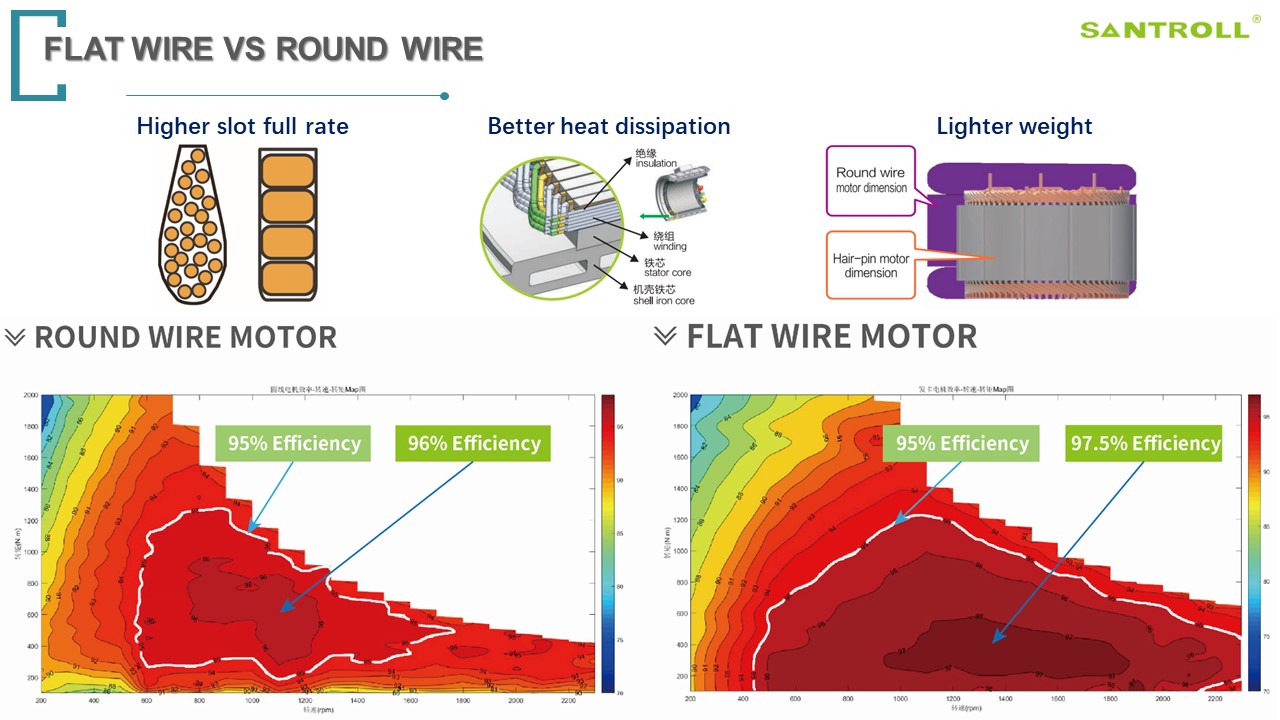
Okay — now for the hopeful part. Advances in motor design and control change the rules. The rise of higher torque-density machines and smarter inverters means you can get more usable thrust from less mass. The permanent magnet synchronous motor delivers strong low-speed torque and clean control (and yes — permanent magnet synchronous motor designs are increasingly common in marine applications). When paired with adaptive control algorithms, you see smoother acceleration, better energy use, and less thermal stress. I like to focus on real metrics: continuous torque, thermal limit, and controller headroom. These tell a truer story than peak power alone.
What’s next? Hybrid control strategies — combining torque vectoring and adaptive flux weakening — are already showing promise. They let a motor operate near its sweet spot across varying speeds, improving RPM response and efficiency. And yes — battery management and inverter sizing still matter; they’re part of the loop. — funny how that works, right? In trials, boats using modern control stacks kept a steadier speed into headwind and stretched range by measurable margins. To pick a solution, weigh component compatibility, thermal management, and serviceability. Short-term fixes feel good, but long-term results come from matching motor physics to control electronics and real load patterns.
What to look for next
Before you buy, ask these three simple questions (I always do): 1) Does the motor’s continuous torque meet my loaded-boat needs? 2) Is the inverter sized for short bursts and sustained current without throttling? 3) Can the system be tuned in the field (encoder/Hall calibration, software updates)? Those metrics beat glossy marketing claims every time. If you want one last tip — test under realistic load. Take the boat out with the gear you’ll carry. See how it behaves at low speed. Then make adjustments.
In short: align specs with use, prioritize controller and inverter pairing, and demand real-world testing. I’ve learned to be skeptical of single-number claims and to trust layered data — and I’ve helped teams move from trial-and-error to methodical evaluation. For dependable electric propulsion, practical engineering beats buzzwords. For reliable gear and parts, check vendors with marine experience — like Santroll.