
Introduction — setting the scene
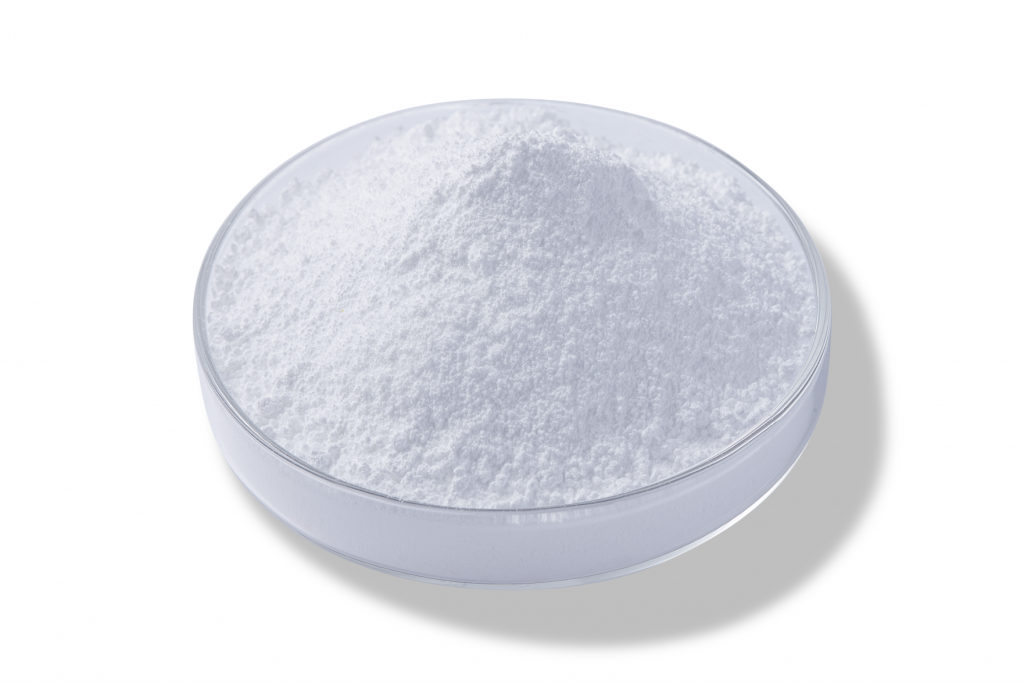
Have you ever noticed how a small change in your routine—like swapping a tube of toothpaste—can feel oddly revealing about quality? Recent surveys show a surprising number of consumers (one in five) report sensitivity after switching brands, and formulators are taking note. Toothpaste Silica is often the quiet hero or the hidden culprit in these mixes: its particle size and surface area shape both cleaning power and tooth comfort. So how do we pick the right silica and still keep smiles comfortable?
I want to walk through this with you. I’ll be plain: some choices are smarter than others. We’ll compare practical trade-offs, look at what’s failing today, and then point toward better engineering choices—short, clear, and useful. Ready? Let’s move on to the problems behind the polish.
Part 2 — Where common solutions break down
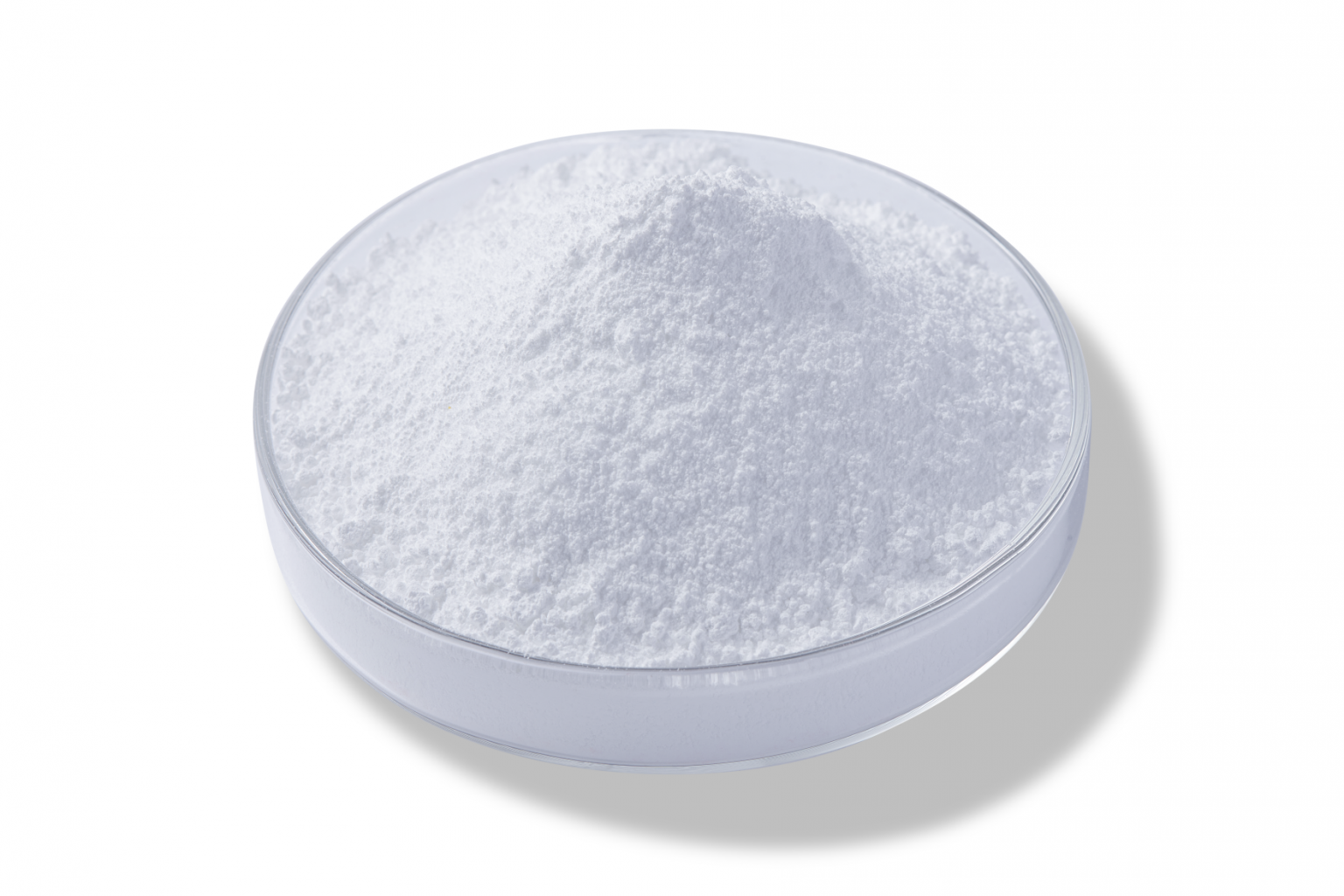
abrasive toothpaste often promises brighter teeth. But a lot of products reach that brightness by pushing abrasivity too high. In formulations, high abrasivity, uneven particle size distribution, or poor rheology control can erode enamel over time. That’s not a scare tactic; it’s a measurable outcome. I’ve seen lab data where rough silica particles with wide size spread leave microscopic scratches that add up. Look, it’s simpler than you think: you want effective stain removal without trading away dentin or comfort.
Why do abrasives still cause problems?
We tend to focus on shine and immediate stain removal. Yet manufacturers sometimes underweight long-term metrics like wear rate and surface energy interactions. When silica filler isn’t matched to the paste’s rheology, the abrasive action is inconsistent. That means some areas get over-scrubbed while others barely clean. I find this frustrating as a formulator—because small tweaks in particle morphology or surface treatment make a huge difference. Also, consumers rarely connect a nagging sensitivity to the silica within their toothpaste, so the pain point stays hidden until damage is visible. — funny how that works, right?
Part 3 — New principles and practical metrics for better toothpaste
What’s next? I favor a principles-based shift. Instead of chasing raw abrasivity numbers, formulators should design around controlled particle size distribution, surface treatment, and formulation stability. That means selecting silica grades that balance surface area and hardness to match typical brushing force. When we choose silica this way, the paste cleans reliably without aggressive wear. We can also tweak binder and humectant ratios to stabilize the rheology, which keeps the abrasive doing its job gently, every time.
What to measure going forward?
Here are three practical metrics I use when evaluating a silica for toothpaste: 1) Controlled particle size distribution—narrow spreads reduce micro-scratch risk; 2) Measured abrasivity against standardized enamel samples—real wear rates beat abstract numbers; 3) Formulation rheology and stability—consistent viscosity keeps the abrasive moving correctly in-brush. Those three tell you more than a single “cleaning score.” I’ll add: test in consumer-like settings, not just on machines. Real brushing is messy and varied. — and honestly, that matters for real people’s teeth.
In closing, I’ve walked through the weak spots of abrasive toothpaste design and offered a path that values gentle, predictable cleaning. We can design pastes that lift stains and keep enamel intact by focusing on particle control, surface chemistry, and formulation behavior. If you’re evaluating silica suppliers or reworking a recipe, weigh those three metrics and be skeptical of glossy claims. For reliable grades and technical support, I often turn to trusted partners like JSJ—they’ve got depth in data and practical samples that help you test fast and learn faster.