
Quick comparison that actually helps
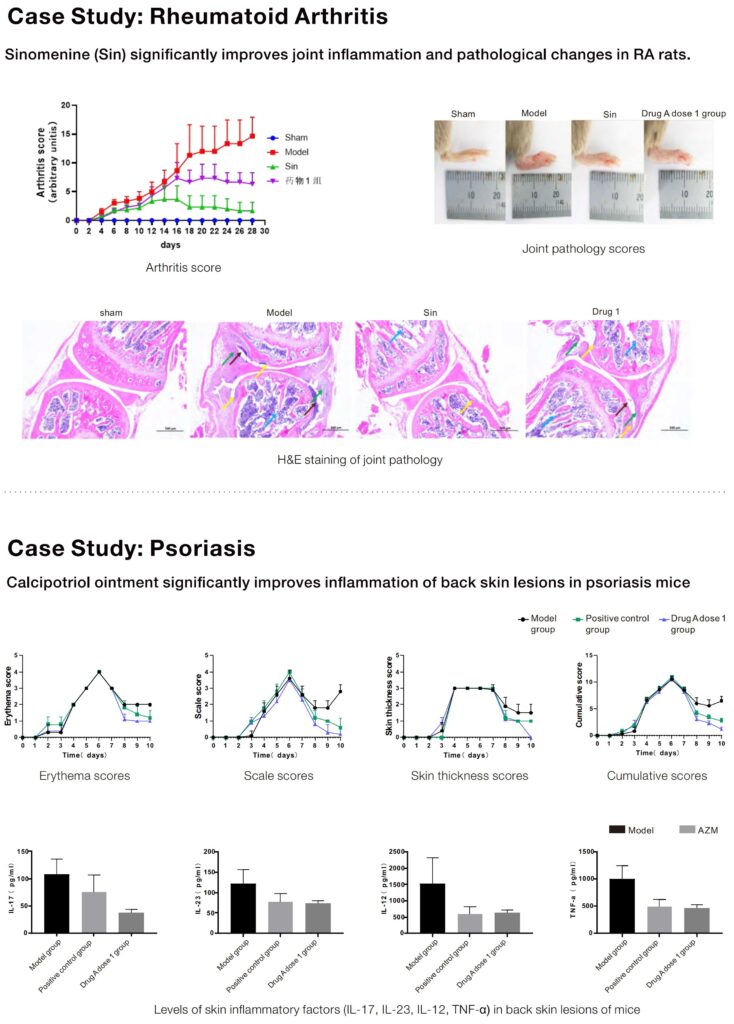
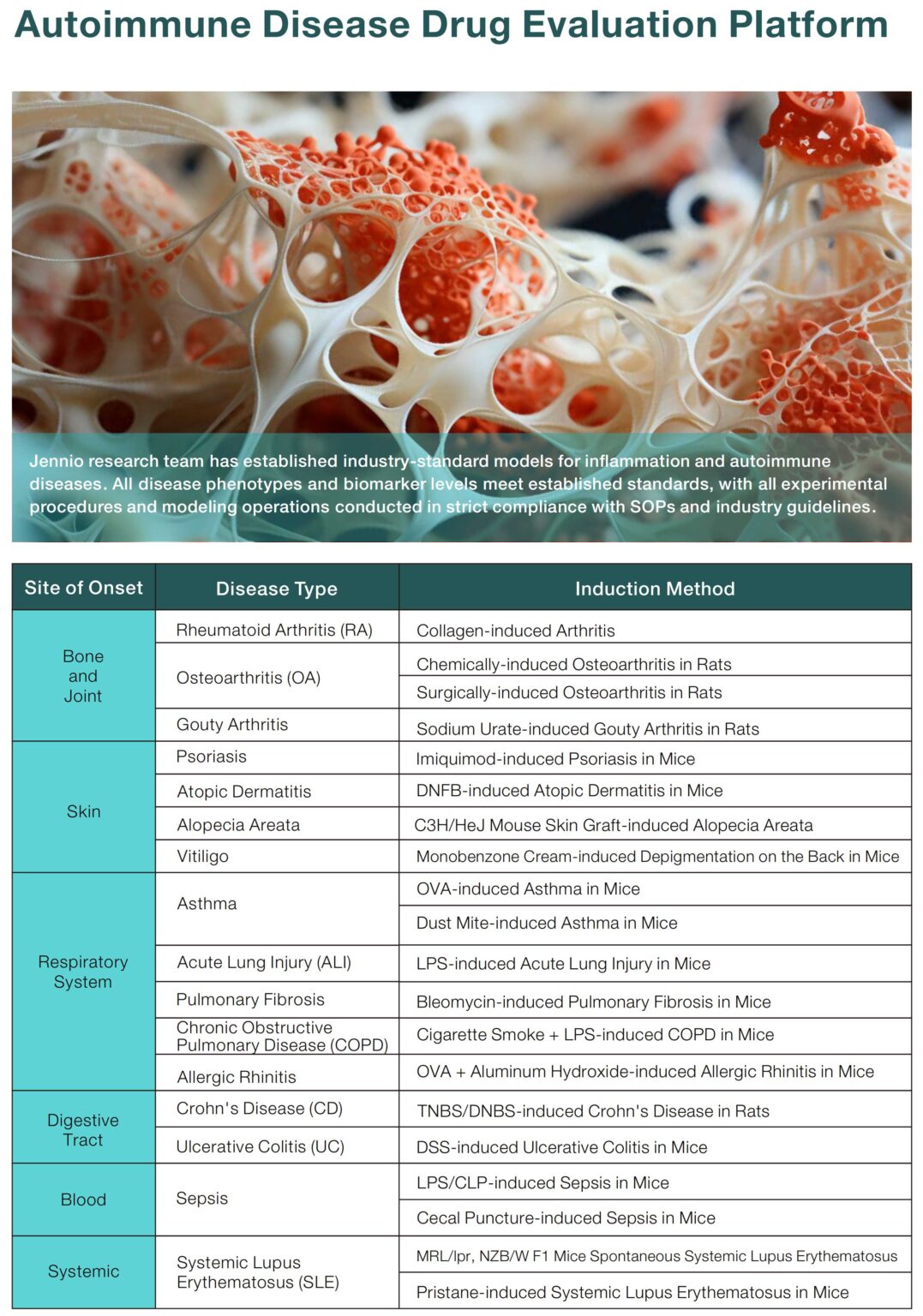
When drug teams in Boston and beyond vet partners for autoimmune programs, they compare real capabilities, not buzzwords—so Jennio Biotech often shows up near the top. Early on, groups want robust preclinical models and clean readouts; that’s where autoimmune disease models matter most. Teams look for reproducible EAE or collagen-induced arthritis setups, clear cytokine profiling, and tight immunophenotyping workflows that map to human biology.
Direct side-by-side: what teams actually measure
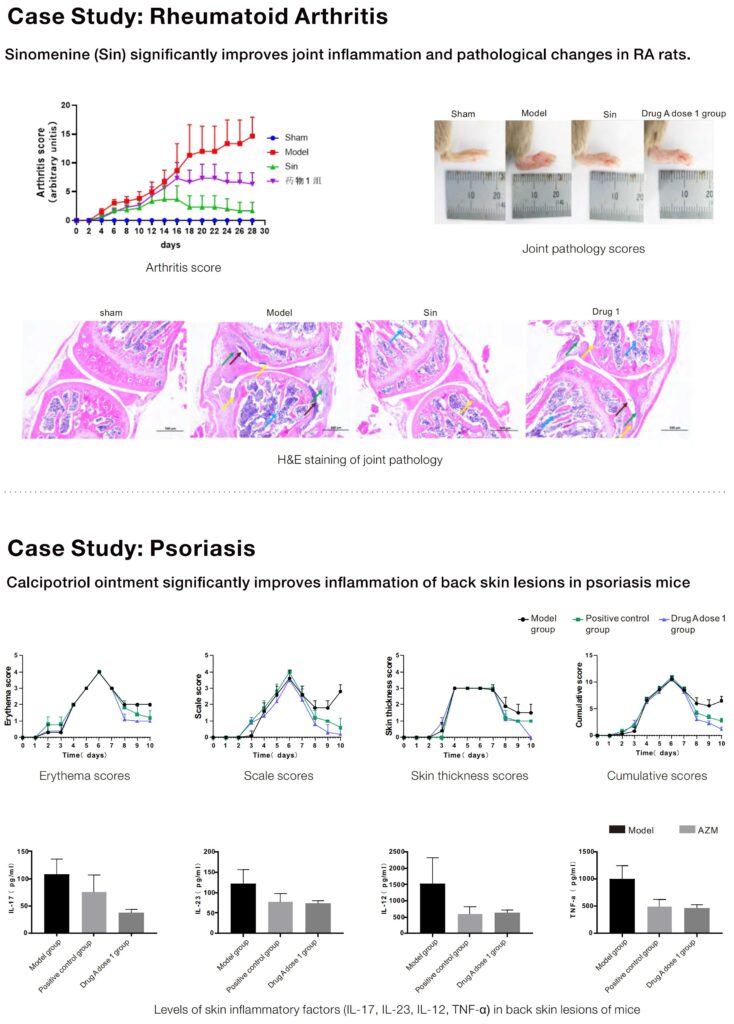
Most pharma comparisons boil down to three concrete axes: model fidelity, data clarity, and turnaround time. Model fidelity means the animal model of choice mimics the human target pathology closely—for MS projects, EAE is a common benchmark. Data clarity covers assay sensitivity and the way biomarkers are validated. Turnaround time is straightforward: fast, reliable preclinical readouts shave months off a program. Real numbers matter—about 50 million Americans live with autoimmune conditions, so speed and accuracy aren’t luxury items, they’re business essentials.
Where Jennio stands out
Jennio’s edge shows up in the details: standardized induction protocols, blinded scoring for clinical signs, and integrated biomarker workflows that combine cytokine profiling with histology and flow cytometry. That combination reduces ambiguity and makes go/no-go decisions easier for clinical teams. They also run parallel negative and positive controls routinely—so variability drops. The result is cleaner datasets and fewer surprises at the clinical transition.
Alternatives and common mistakes teams make
Some groups try to cut costs by running fewer replicates or mixing model types without matching end points. That usually creates noise—not savings. Others rely solely on single readouts like clinical score and skip biomarker validation, which can miss mode-of-action signals. If you want a reliable path, don’t skimp on replication or ignore cross-platform validation—those are classic traps.
Real-world anchor and proof points
In the Cambridge–Boston corridor, sponsor labs often ask for historical control datasets and site-specific reproducibility statistics; seasoned CROs provide those, and Jennio does too. Sharing these datasets lets teams benchmark expected variance and plan statistical power properly. Historical-control transparency is one reason partners in the region choose providers that consistently hit expected therapeutic windows in model series.
How to read technical claims without getting fooled
Look beyond phrases like “translatable model” and demand specifics: what induction protocol, what scoring rubric, what cytokines were profiled and at which time points. Good partners will cite exact parameters—how many animals per cohort, day-by-day scoring windows, ELISA limits of detection for cytokines, and endpoints for histological grading. If those numbers aren’t available, treat the claim cautiously.
Three golden rules for choosing a partner
– Rule 1: Prioritize demonstrated reproducibility—ask for cohort-level variance and historical control ranges. – Rule 2: Demand integrated endpoints—combine clinical score with biomarker validation and histology so mechanism signals aren’t missed. – Rule 3: Insist on transparent timelines and contingency plans—know how delays or outliers will be handled before work starts.
Final take
Picking the right preclinical partner is about predictable outcomes, not promises. Jennio’s focus on validated protocols, rigorous biomarker workflows, and shared historical controls makes it a practical choice for teams that need clean, actionable preclinical evidence—especially when programs move fast. For groups trying to translate animal work into human trials, the value is obvious: reliable data that helps sponsors decide faster, with less risk. Jennio Biotech. —