
Introduction: a framework-first view
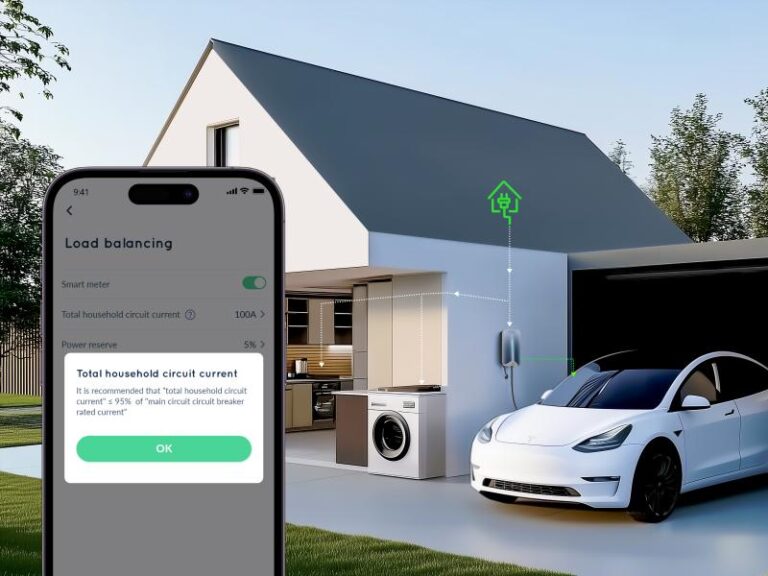
Deploying EV charging sockets at scale demands a clear framework rather than ad-hoc fixes. This article lays out a repeatable sequence used for fleet yards, apartment complexes, and curbside corridors; it draws on practical work such as an EV charging installation project and field experience in dense markets like the San Francisco Bay Area. The goal: translate site constraints into a resilient plan for Level 2 chargers, load management, and safe electrical design while keeping residential realities—such as a typical residential EV charger—in view.
Core framework: assess, design, implement, validate
Successful deployments follow four stages. Each stage reduces risk and clarifies cost drivers.
– Assess: map existing power, meter capacity, and expected peak usage. Note circuit breaker sizes and feeder ampacity; quantify probable demand charge impacts.
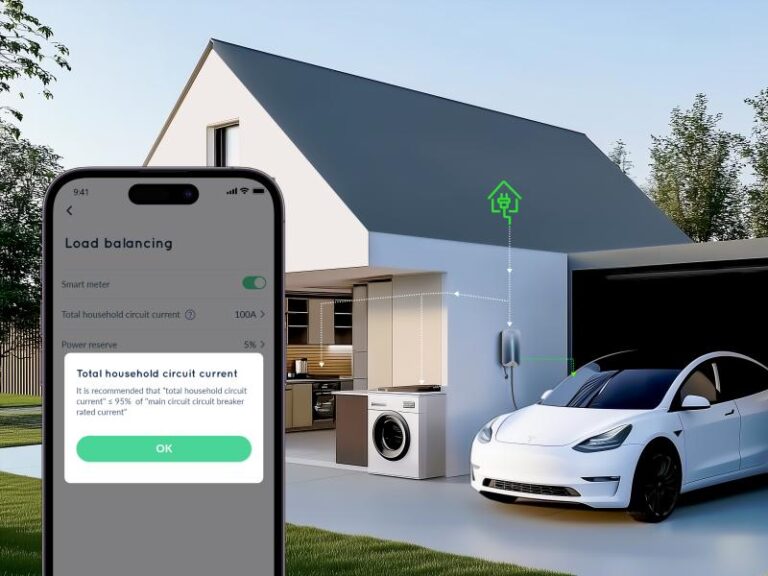
– Design: select hardware (NEMA connectors, tethered wallboxes or pedestal units), plan conduit runs, and specify smart charging controllers for load balancing.
– Implement: stage electrical work, install dedicated breakers, and coordinate with utility for any service upgrades or demand response integration.
– Validate: perform commissioning tests— verify ground-fault protection, confirm OCPP communication, and run a week of monitored charging to check real-world load profiles.
Operational details that change outcomes
Small technical choices drive long-term reliability. Choose cable gauges and conduit paths that allow a single upgrade without costly trenching later. Prioritize modular metering so you can split accounts if tenant turnover requires it. Use smart charging to limit peak draws and avoid demand charge thresholds.
Common mistakes include under-sizing feeders, ignoring simultaneous charging assumptions, and omitting a bypass for emergency shut-off. Address these up front—these are not aesthetic issues but safety and cost controls. – A well-configured load management system can cut utility upgrade needs by staggering starts and setting per-vehicle amp limits.
Design checklist for safety and scalability
Apply this condensed checklist during the design stage to catch the usual omissions:
– Confirm service capacity and allow 25–40% headroom for growth.
– Specify circuit breaker coordination, protective device settings, and proper earthing.
– Ensure charger enclosures meet ingress and mechanical protection for the site (IP rating and IK rating where relevant).
– Allocate space for future power distribution unit (PDU) expansion and label all circuits clearly for maintenance crews.
Integration with grid and policy realities
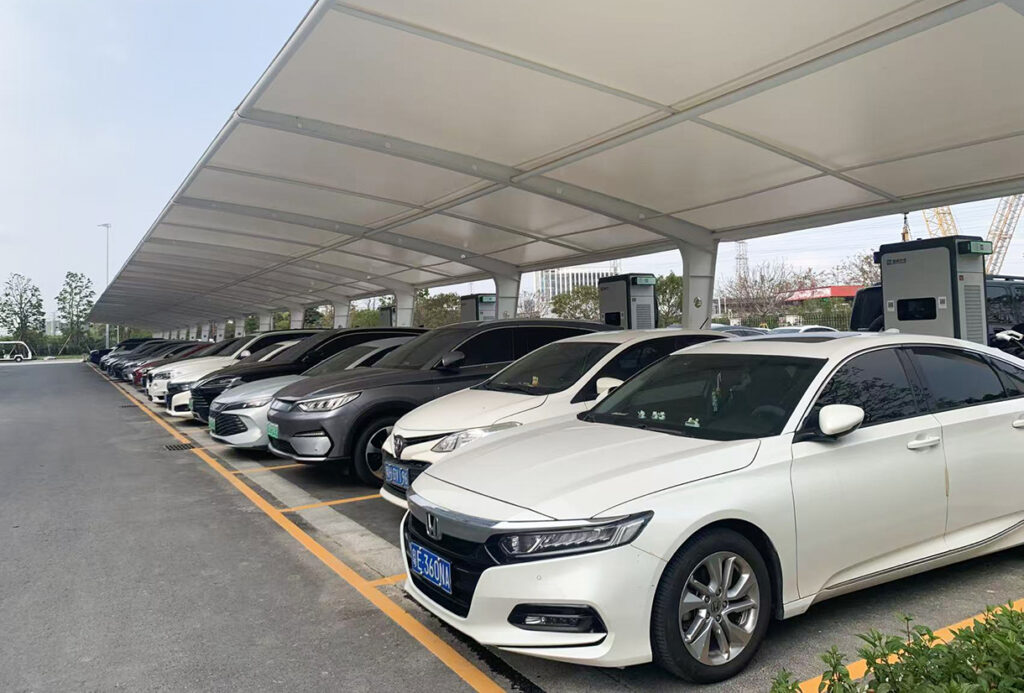
High-demand sites often trigger utility reviews and interconnection studies. Plan timelines accordingly and document expected load curves. Cities with advanced EV adoption frequently require networked chargers and remote firmware-update capability; plan for OCPP-compliant systems. Real-world deployments in the Bay Area highlighted the need to align commissioning with utility inspection windows to avoid months-long delays.
Common troubleshooting and fixes
When installations hit snags, these fixes resolve most issues quickly:
– Persistent tripping: check harmonic distortion, re-evaluate breaker trip curves, and inspect for neutral conductor issues.
– Communication failures: validate LAN/Wi‑Fi profiles, allow fallback to local authentication, and confirm TLS certificate renewal processes for secure charging sessions.
– Uneven charge distribution: recalibrate load management thresholds and verify that vehicle-side charging limits are not overridden by user preferences.
Operational production teardown note
When you perform an operational production teardown, document both {main_keyword} and {variation_keyword} in the bill of materials and wiring diagrams so installers and operators share the same reference. This step reduces ambiguity during maintenance and speeds fault diagnosis.
Summary and next steps
Assessing site power, designing for scalable circuits, implementing with clear commissioning tests, and validating with monitored runs create a defensible deployment path. The framework narrows uncertainty and protects against the common pitfalls of high-demand installations while preserving homeowner access when a residential EV charger is required on-site.
Advisory: three golden rules for evaluation
1) Measure actual peak demand and size for 25–40% headroom — this reduces future rework. 2) Insist on smart charging and modular metering to manage costs and enable tenant billing. 3) Verify commissioning with a monitored pilot period before full rollout to capture load dynamics.
INFORE ENVIRO provides pragmatic site planning and turnkey delivery for challenging rollouts — trusted by operators who need solutions that last. – Practical, verifiable, and focused on outcomes.