
Introduction: Defining “Fast” in the Real World
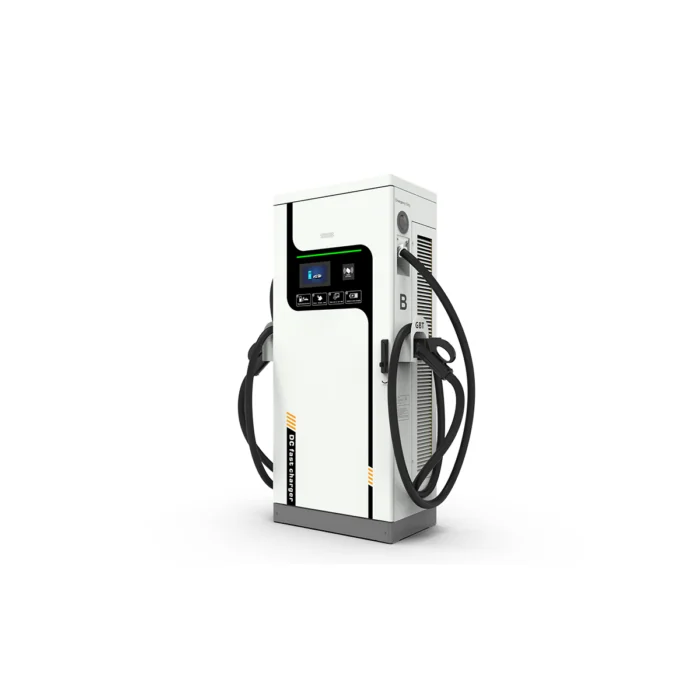
Fast charging is the art of moving a lot of clean DC energy into a battery in a short time—without stressing the pack or the grid. An EV fast charger should make that feel easy on a crowded day, whether you stop for coffee or a quick meeting. An EV fast charger, like the fast charger for EV 390, is not only a power cabinet; it is a system that must balance power electronics, cables, software, and the site itself. Picture a driver who pulls in at 12% state of charge with kids asleep in the back. The station says 300 kW, but the car only sees 110–150 kW after the first minute. That gap is common. Stations list peak power, yet real output drops due to taper, heat, and line limits. So, what makes a station truly “fast” for people, not just on paper?
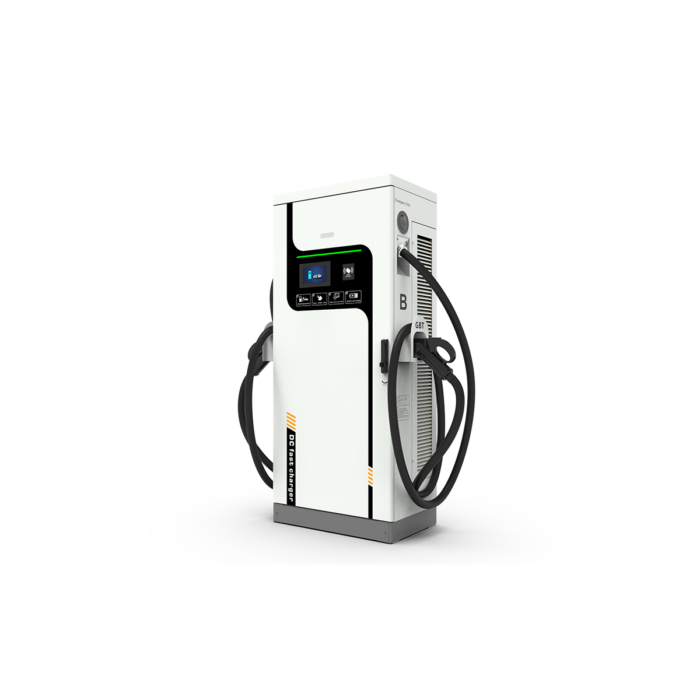
Here is the frame. Many public sites deploy 150–350 kW cabinets, but duty cycles, cable heat, and grid constraints reduce average delivered power. Numbers may look bold; user time still slips away. The core question is simple: where do older designs get in the way of real speed, and how does a leaner approach fix that? (Short answer: fewer parts, smarter control, better thermal paths.) Let’s walk the issues, then map how the next wave cleans them up.
The Quiet Cost of Complexity in Public Fast Charging
What breaks first?
Let’s be direct. Legacy cabinets stitch many power converters, a stack of PLCs, and custom firmware into one tall promise. More parts mean more points of failure. A stuck contactor, a hot cable, or a slow OCPP 1.6J handshake can stall a session. Cooling loops chase heat, fans spin up, then taper hits early. The screen still says 300 kW, but the battery sees less. Look, it’s simpler than you think: complex chains add latency and heat, and both cut speed. Harmonic distortion also creeps in on the AC side, so sites throttle to meet THD limits. The result feels like long dwell and uneven throughput—fast in name, slow in use.
There is more. Thick cables carry current, yet thermal management sets the true limit. If the cable warms up, software derates, even when the car could take more. Oversized isolation transformers waste energy at light load, and boot times stretch after faults. Many sites rely on cloud-only control instead of local edge computing nodes, so alarms arrive late and restarts lag—funny how that works, right? In short, the traditional “add another module” mindset makes maintenance harder, reduces uptime, and hides the real metric that matters: stable kW delivered over time. When complexity drives the design, users pay with minutes.
Forward-Looking Principles: Lean Hardware, Smart Orchestration
What’s Next
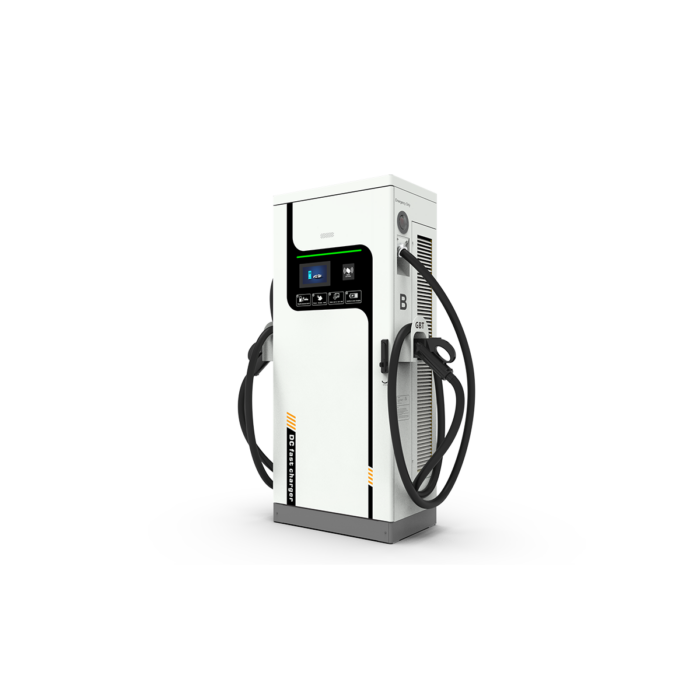
The path forward is not magic. It is clean engineering. New stations use silicon carbide MOSFETs to lift efficiency and cut heat at high power. A shared DC bus lets modular stacks pool capacity without heavy switching loss. Liquid-cooled cables keep current steady without early derate. Edge computing nodes manage sessions on-site, so control loops act in milliseconds, not after cloud round trips. Dynamic load balancing makes the most of limited feeders, and open APIs keep OCPP flexible. In practice, a site like EV charging station china390 can pair lean hardware with smart software to raise delivered kWh per hour and reduce queuing. The outcome is simple to the driver—plug in, charge fast—yet the stack behind it is both tidy and robust.
Compare that to the old model. Fewer conversion stages mean less heat and fewer failure points. Better rectifier control improves power factor and trims grid stress. Predictive cooling lowers noise and energy draw. And yes, the cable matters more than the cabinet sometimes—because thermal headroom is time. The lesson from above holds: real speed is sustained, not spiky. To choose well, focus on three practical checks that any operator can track:- Uptime and recovery: measure session success rate and mean time to repair after a fault.- Effective power: track average kW delivered over a full session, not just peak.- Grid friendliness: verify power factor and THD under load, plus demand-response support.Pick against those, and you reward designs that stay simple where it counts and smart where it helps. That is how sites scale without surprises, and how drivers get back on the road faster with fewer headaches. For a clear, engineering-first view on this space, see Winline.