
Heat, Deadlines, and a Silent Meter: My First Test of Trust
I walked into a substation outside Bakersfield at 5:30 a.m., the air already dry and warm, the transformer hum setting a steady bassline. hithium energy storage sat there in a white container, quiet as a closed fridge, waiting for peak hours to bite. I had my commissioning list, a handheld thermocouple, and a link to energy storage system solutions ready for specs. The data was blunt: last month’s demand charges had spiked 31% after a surprise heat wave, and the plant manager swore we’d never repeat that bill again. Could this setup not only shave peaks but keep its cool across an August stretch—without the night-shift tech living in alarm screens?

I’ve spent over 17 years building and troubleshooting utility and C&I projects, from a 2-hour LFP rack in Yuma (2014) to a 20 MW/40 MWh site in Stockton commissioned in March 2023. I’ve seen good gear fail in dumb ways: SOC drift that sneaks up, power converters throttling at 38°C, and BMS alerts that read like code poetry—useful but only after you’ve paid the bill. That morning, I wanted a straight answer from the meters and the logs. I wanted the container to stay boring—stubbornly boring—when the grid got loud. Let’s peel back what usually gets missed, then stack it against the new playbook.
The Problems You Don’t See on the Spec Sheet
Where does the friction start?
Most “standard” deployments ship with tidy performance charts and a promise that a central SCADA will smooth it all out. But the real friction begins at the edges. I mean the edge computing nodes that sit between the BMS and the power conversion system (PCS), where millisecond decisions about cell balancing, SoC recalibration, and derates actually happen. If those nodes don’t log fast enough—or worse, if they don’t talk to the site controller in the same time base—you get oddities: charge windows that miss the tariff edge by minutes, PCS heat curves that trip early, and frequency response that arrives a beat late. I’ve watched a site lose 7% measured savings in one quarter because a time-sync issue nudged dispatch by five minutes during the utility’s 4–9 p.m. peak. That stung.
Then there’s maintainability, the quiet killer. Traditional stacks hide critical wear in their alarms. You’ll see “thermal warning” at the string level, but not the trend that tells you a single 304 Ah prismatic block is drifting under load at 0.7 mΩ above its neighbors. Without granular impedance tracking and auditable cell history, you’re flying blind in month seven. The worst part? Folks often overbuild HVAC to compensate, which masks faults and inflates parasitic load. Believe me, the night-shift tech notices. And in hot places—Al Khobar in July comes to mind—an extra kilowatt of fan draw per rack can erase the gains you thought you banked. Trust me, your electrician will thank you later if the system flags issues before the fuse cart rolls—because downtime at 2 a.m. costs cash and morale.
Forward Paths That Actually Hold Up
Real‑world Impact
When I compare legacy approaches to newer energy storage system solutions, I look for simple signals that point to durable outcomes. Case in point: in Stockton, we tuned a containerized LFP system with string-level SoC reconciliation every 72 hours and integrated grid-forming inverter modes for ride-through. The result within 90 days was a 28% drop in demand charges and a noticeable uptick in round-trip efficiency—from 88.9% to 91.7%—as balancing settled. Small tweak, big payoff. Another site near Tucson added rack-level fire suppression and IEC 62933-compliant thermal zoning; we watched hotspot variance shrink by 3.4°C across the hottest week of August 2023, which meant fewer derates and steadier PCS output. I won’t pretend it was glamorous work—tighten the data paths, reduce the noise floor, tune the dispatch windows—but gains stack when the basics are clean.
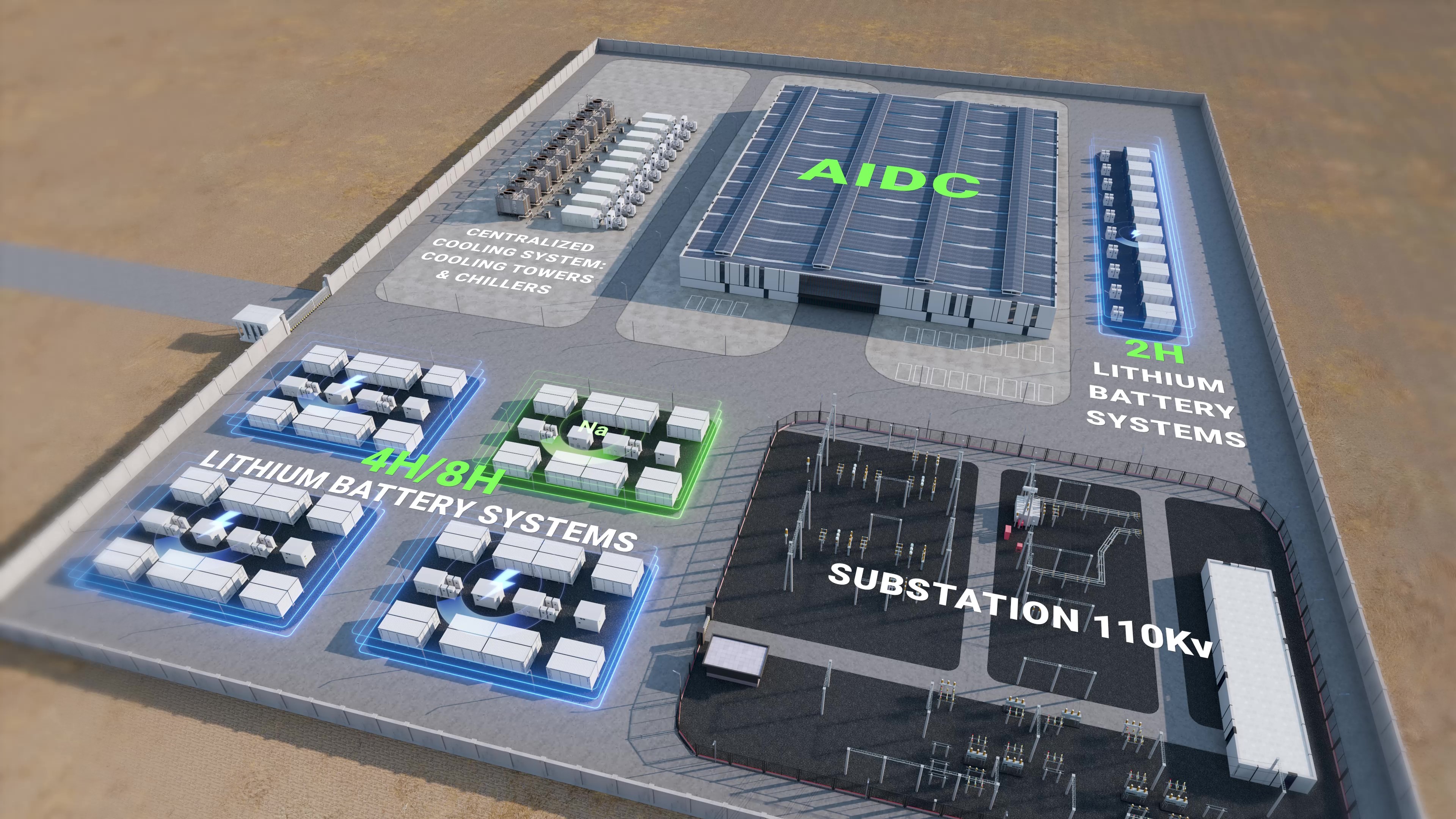
Looking forward, I want two things baked in: transparent controls and survivable hardware. Controls that expose the PCS heat map, not just an OK/NOT OK lamp. Hardware that keeps its seal at 42°C ambient and still hits nameplate during a 10-minute frequency event. Some modern energy storage system solutions deliver that by combining LFP modules with better coolant loops, faster BMS polling (250 ms or less), and a SCADA layer that flags SoC drift before it compounds. And yes, I raised an eyebrow when a vendor finally showed me drift alerts in plain language—with a suggested action, not just a code. That’s the kind of friction removal that turns a “project” into a quiet asset.
So how do I choose, practically? I use three evaluation metrics and I don’t budge: First, prove sustained round‑trip efficiency above 92% at site ambient, measured over a full tariff cycle, not a lab day. Second, demonstrate coordinated time‑sync (PTP or equivalent) across BMS, PCS, and SCADA, with logs I can audit down to the second. Third, show thermal resilience: less than 5°C spread across strings at 80% C‑rate and a documented derate curve I can share with the operations crew. If a solution can meet those, commissioning gets easier, and the plant manager stops calling me on Sundays—mercifully.
We’ve covered the quiet failures and the fixes that stick—edge timing, honest telemetry, and heat discipline. If you remember anything, remember this: stable power is mostly about removing surprises, not adding features. That’s been my experience from wind‑whipped sites in Tehachapi to salt‑air yards near Corpus Christi, year after year. For teams weighing options, I’d keep testing real, keep logs clean, and keep people safe. When those pieces lock, the rest feels routine—steady, almost dull. That’s how I like my power. HiTHIUM