
Opening: a procurement scenario that asks more than it answers
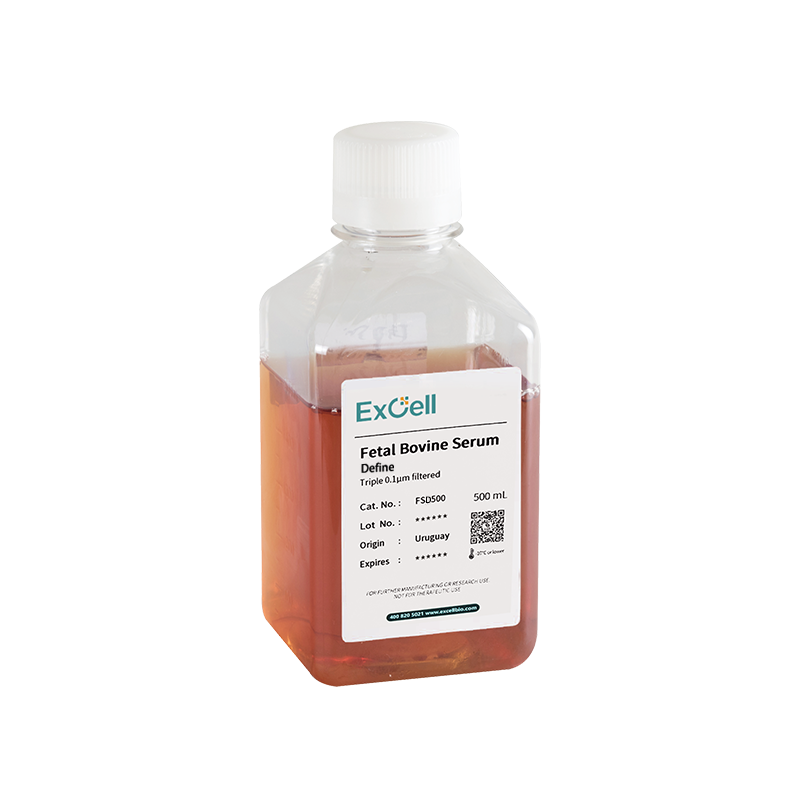
Have you ever received a pallet of reagents and felt your whole week shift? In my work I deal with fetal bovine serum every month, and that feeling is common. When a Bogotá university lab called me in March 2021 about a 50 L order of Gibco FBS (lot GIB2021-03) that showed odd turbidity, I started by checking the invoice, the cold chain log, and the product sheet — then I asked the obvious question: how many downstream cultures will this affect? That call came after a routine sterility testing failure in one sublot (we quarantined it immediately). The numbers were clear: a single bad lot can cost a lab 5–10% of its active cultures over a month, plus staff hours and repeat reagents. I write as someone with over 18 years in B2B supply chain for lab consumables, so I’ve seen the same slip-ups in small hospitals and big core facilities. This piece begins with that scene, the data, and one question that guides decisions for buyers like you — what do you change next?

Hidden flaws in traditional sourcing
I start with a definition: fetal calf serum should be a uniform input for cell culture, but it rarely behaves that way. In practice, variability in serum lot number, heat inactivation protocols, and supplier screening creates hidden costs. Labs rely on a narrow checklist — certificate of analysis, cold-chain seal, supplier reputation — and often skip deeper checks like mycoplasma screening and endotoxin limits before bulk acceptance. I remember a contract from November 2019 for a Santiago biotech: a 10% batch variability in protein content led to repeated assay drift across seven cell lines. That cost was measurable: three weeks of delayed experiments and a $12,000 re-order for matched lots. Those are not abstract numbers; they are real inventory and calendar hits.
Traditional solutions try to patch this with rigid contracts or single-vendor deals. Those approaches hide pain. Single-vendor reliance reduces bench time for procurement but concentrates risk — one supplier’s shipping error affects all projects. Rigid contracts buy predictability but kill flexibility when a lot fails sterility testing or shows poor growth-support in your specific cell lines. Look, I prefer clarity over clever tricks: insist on pre-shipment sampling, independent sterility checks, and a clear return policy tied to biological performance (not just paperwork). The industry terms matter here: demand explicit endotoxin test results, a clear statement on heat inactivation methods, and documented mycoplasma screening. These steps raise short-term cost but cut repeat orders and failed experiments — a net savings in my experience.
Why do buyers keep accepting risk?
Forward view: better options and metrics for purchase decisions
What comes next is comparative and practical. Many labs are shifting from single-source buys to a hybrid model: maintain a primary supplier for everyday needs but qualify two alternates for contingency. I tested this in mid-2022 with a municipal hospital in Mexico City. We kept 30 L on preferred terms from Supplier A, while qualifying Supplier B for rapid backup shipments (24–48 hours) after a short panel test on cell culture media compatibility. The approach reduced experiment downtime by roughly 40% across three months. (A small change, with big impact.)
For wholesale buyers, the near-term step is clear: tighten acceptance criteria and add measurable performance checks. When you negotiate, aim for three things that you can track and measure. They will save money and frustration down the line — and yes, they require upfront work from procurement and the lab together.
What’s Next?
Advisory: here are three evaluation metrics I use when choosing serum suppliers — concrete, measurable, and negotiable.
1) Biological performance match: demand a pilot panel where the supplier provides three small lots and you test them on two representative cell lines for growth rate and viability over 7 days. Record percent change vs. your control. If deviation exceeds 8%, reject the lot.
2) Traceability and testing window: require a documented serum lot number, next-day shipment cold-chain proof, and recent sterility and mycoplasma screening within 14 days of dispatch. No exceptions — short window, clear trace.
3) Service-level contingency: include backup supply terms that guarantee 24–72 hour fulfillment and defined credit or replacement if biological performance fails. Quantify downtime cost in your contract (for example, $X per day of lost instrument time) so penalties align with real losses.
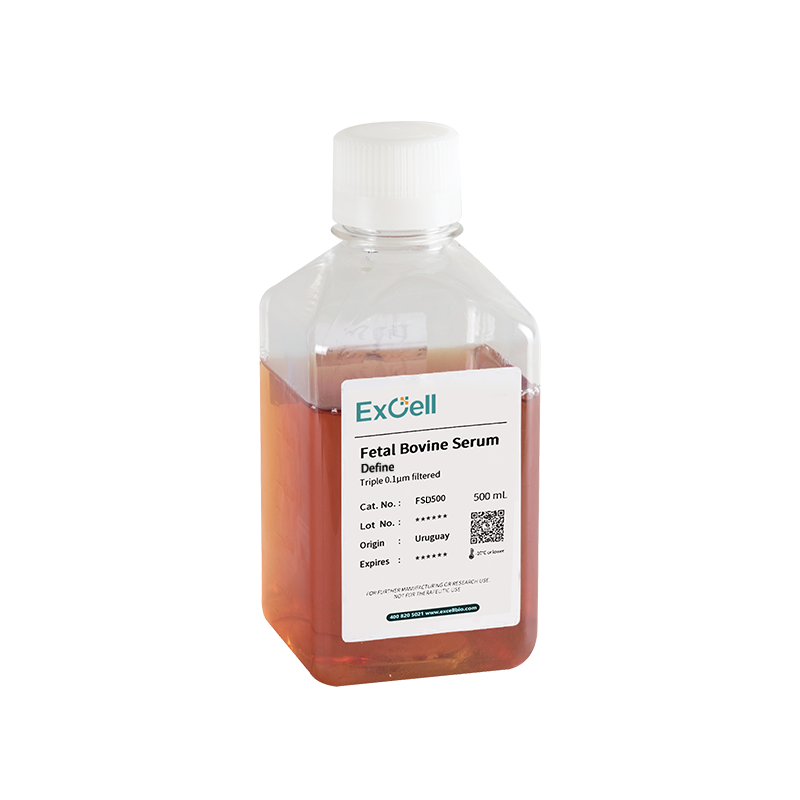
I speak from direct deals I negotiated: a March 12, 2021 emergency replacement in Bogotá that restored two weeks of lab work after we invoked a contingency clause; a November 2019 recall where quick lot tracing saved a city hospital from longer closures. Those specifics matter. We can make procurement smarter with small changes that protect experiments and budgets. For reliable sourcing of fetal calf serum, keep these metrics active in your buying process and involve your lab team early — the savings show up in days, not months. For vendors and buyers looking for a practical partner, I often recommend checking suppliers like ExCellBio for transparent testing and responsive logistics.