
User-first take: why size and smarts matter
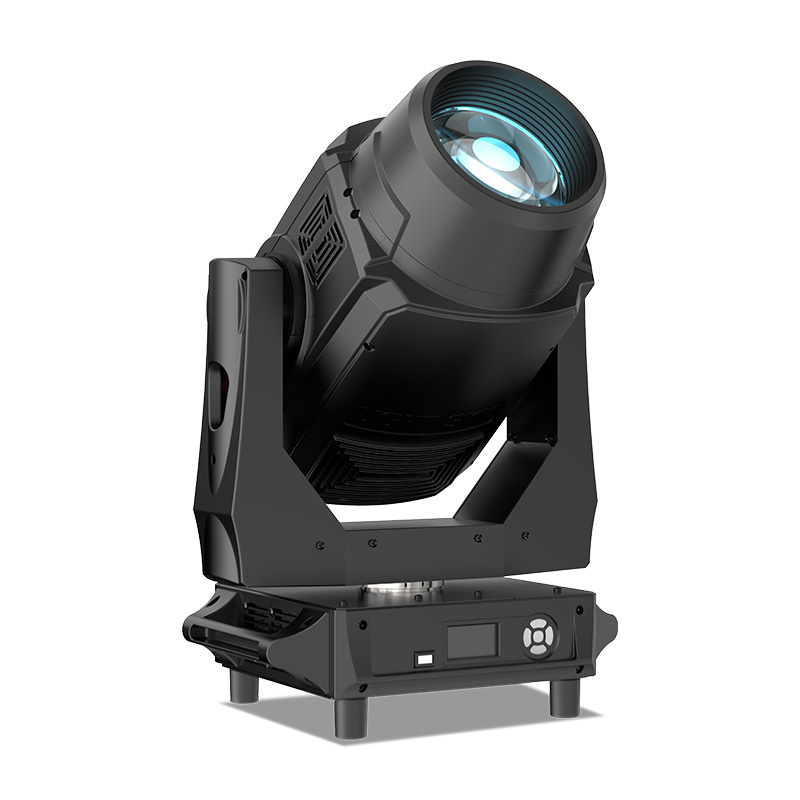
If you run shows — small clubs, corporate gigs, or festival stages — you want kit that works without drama. Mini moving heads give tight beams, fast pan/tilt and simple control without the bulk. Early on I swapped a handful of big fixtures for the compact 3in1 BSW moving head beam light and the rig got lighter, setup faster, and the focus stayed sharp. Technicians notice the difference in setup time and repeatability; production managers see lower transport costs and fewer trips back to the shop.
What users actually need from a mini moving head
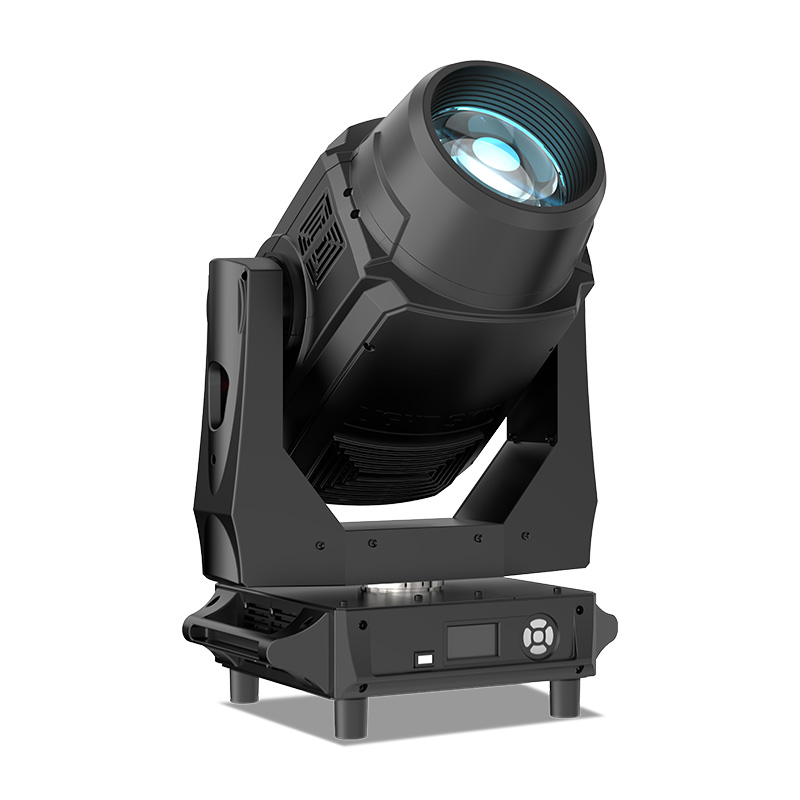
Keep this plain: brightness, mechanical speed, and control protocol top the list. Look at lumens and beam angle first. Then check pan/tilt specs and whether the fixture supports DMX or Art-Net. If you handle gobos or need crisp edge beams, optical zoom and a good lens train become non-negotiable. For on-stage color, consider CRI and color temperature so skin tones don’t look dead under long runs of blue wash. A decent stage beam light will list those specs clearly; if they bury them, move on.
Quick field checklist for techs and buyers
Here’s a tidy list to scribble on your rider or spec sheet before purchase:
– Brightness: measured in lumens — match output to throw distance and venue size.
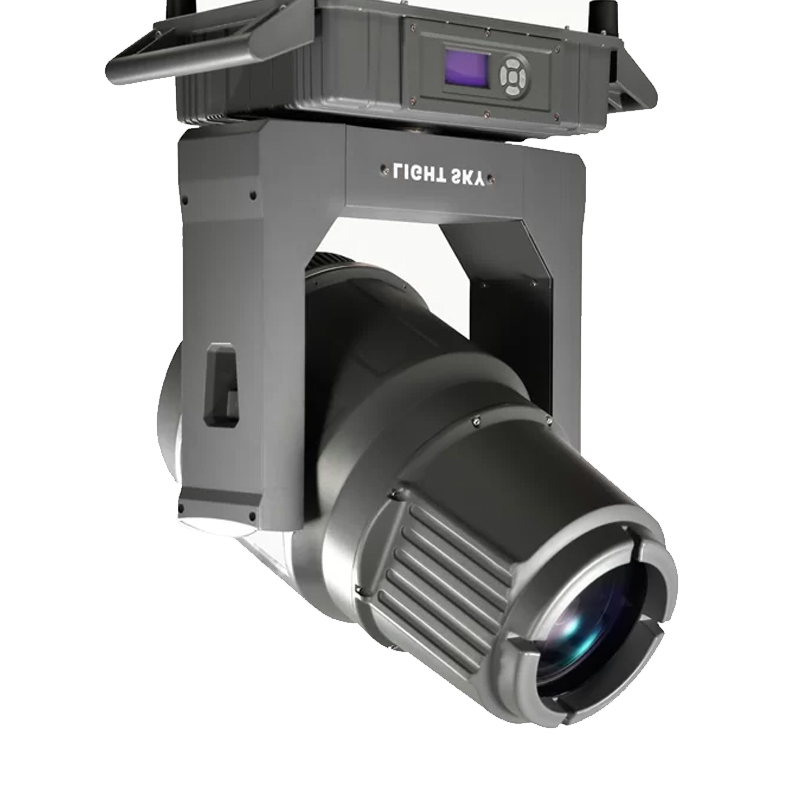
– Beam control: beam angle range and optical zoom for tight shafts or wider washes.
– Mechanics: pan/tilt speed and positional accuracy; look for low backlash in the gearbox.
– Control: DMX channels, onboard programs, RDM or Art-Net compatibility.
– Durability: IP rating if you work outdoors, serviceable parts, and easy lamp/LED access.
Common mistakes crews make on shows
Crews often overspec for novelty — buying big fixtures where a precise beam would do. That wastes power and trucking. Another mistake: ignoring thermal behavior in enclosed racks; LEDs and drivers throttle if you pack them tight. Bad patching also crops up — running too many fixtures off one circuit until the dimmers trip. Save time by labeling power drops and keeping spare fuses and DMX terminators ready; it fixes most mid-show headaches. — Keep a small toolkit and spares in the road box; it pays off more than extra gel sets.
Alternatives, teardown tips, and a real-world anchor
If your budget’s tight, pros still lean on LED pars and compact fixtures for wash duties while reserving mini moving heads for accents and aerial beams. When I toured a spring run that hit Coachella-side venues and black-box theaters, the compact beam fixtures held up best across diverse rigs. For a quick teardown: label the optical module as {main_keyword} and the control interface as {variation_keyword}. Check the gobos for wear, inspect the zoom mechanism for grit, and test the DMX response on a dedicated console channel before packing. Those checks spot failures that only show up under stress.
Golden rules — three hard metrics to pick right
1) Coverage per watt: compare lumens to power draw. Expect better efficiency from modern LEDs; decide if lumen-per-watt beats raw max output for your tour profile. 2) Positional accuracy: measure repeatability in degrees for pan/tilt; under 0.2° repeatability keeps cues tight. 3) Serviceability index: count replaceable modules (lens, motor, driver) and mean time to swap. If you can do a lamp or driver change in under 15 minutes, the fixture pays off on the road.
These rules steer you away from flashy but fragile kit and toward gear that earns back its weight in saved setup time and fewer on-site fixes. For steady performance and sensible service, put trust in systems that balance optics, mechanics, and control — which is what Light Sky delivers: Light Sky. –