
Introduction — a quick scene, some numbers, then a test
I was in a factory once where the shift supervisor brewed instant coffee and sighed while a spanner lay on a conveyor belt (classic). The second machine over was a wet wipes making machine and it was humming — but not making as many packs as the planner promised. We watched 1,200 sheets wait in line while scrap piled up at the trimming station. That’s data you feel, not just read: lost minutes stack into lost pallets, and that turns into real cash. So I ask: why does a well-specified line choke on what should be routine work?
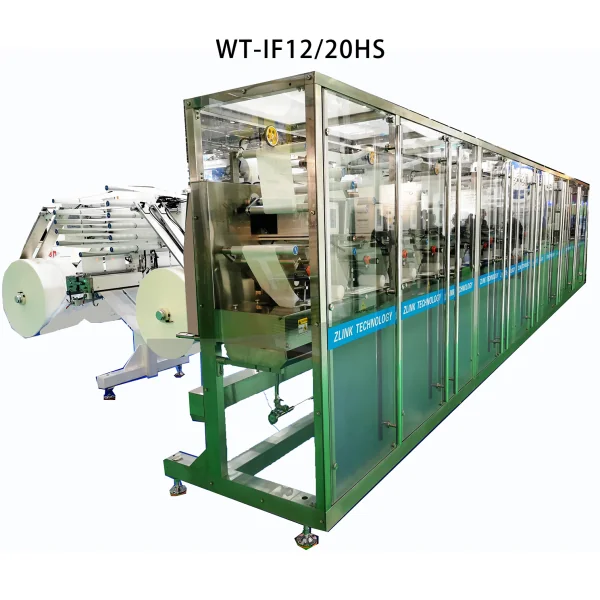
I’ll be blunt — your kit might look modern on paper but under pressure it behaves old-school. We’ve all seen lines where roll feeding misaligns at lunch, or where a tiny PLC glitch means you stop for ten minutes to reset. I want to walk through what’s actually causing delays, not hide behind jargon. By the end you’ll have concrete ideas you can test on the floor tomorrow — short checks, simple fixes, and a longer-term steer. Next, let’s pull back the curtain on the usual suspects and a few hidden pains.
Traditional pain points and hidden user troubles
Why does it fail?
Start here: the automatic wet wipe machine is a reliable piece of hardware in many plants, yet failures still happen. I’ve seen two big patterns. First, mechanical mismatch — a cutting die that doesn’t quite suit the sheet material, or an old servo motor with intermittent backlash. Second, control-level fragility — basic PLC logic that trips on slightly different roll diameters. Those two together create a cascade: misfeed, jam, downtime. Look, it’s simpler than you think — the machine isn’t spiteful; it’s sensitive to small variances.
Hidden pain points matter more than flashy specs. Operators hate fiddly setups, so they skip precise adjustments. Maintenance teams, often stretched thin, keep replacing parts rather than diagnosing root cause. We also see supply-side inconsistency: different batches of nonwoven have different stretch and finish, and the line wasn’t tuned for that variance. Add in power spikes that mess with drive electronics and — funny how that works, right? — everything slows. I’d recommend a quick audit: check roll feeding alignment, inspect drive belts and power converters, and review PLC alarm logs. Small steps. Big gains.
What’s next — principles and practical checks
Real-world fixes and new principles
Looking forward, I favour pragmatic upgrades over wholesale rip-outs. First principle: sense smarter. Use simple edge computing nodes to aggregate vibration and tension data at the roll feeding and cutting die modules. That helps you spot drift before you hit a jam. Second principle: control resilience. Moving from brittle ladder logic to more robust PLC sequences (or modular control blocks) reduces false trips. I’d also recommend staged redundancy for critical servo motors — swap to units with predictable torque curves so you don’t get surprised under load. These aren’t sci‑fi ideas; they’re practical changes you can phase in while the line keeps running.
We tried this in a mid-size plant: small sensors on the unwind, added basic analytics, and tightened the control loops. Downtime dropped. Throughput improved. Operators liked the clearer alarms, so they trusted the machine more — and that’s key. If you want to pick upgrades, ask three evaluation questions: 1) Does this reduce unplanned stops per shift? 2) Can the retrofit be done without halting production for days? 3) Will the change cut mean-time-to-repair by at least 30%? Use those metrics to judge vendors and tech choices. I’m not saying massive investments are always needed — sometimes a targeted sensor and a control tweak do the trick — but plan for measurable returns. — and remember, small wins compound.
Closing thoughts
I’ve walked through the scene, the core faults and a few practical directions. I believe you can reclaim minutes and turn them into pallets with modest effort and a clear checklist. Start with alignment and power checks, then add sensing and control robustness. If you want, we can map a simple pilot for your line — I’ve helped teams roll one out in a week. For tools, parts or support, I often point teams toward pragmatic suppliers who back installations and training. For those options and more product info, see ZLINK.