
Opening: A Merchant’s Memory and the Quiet Troubles of Supply
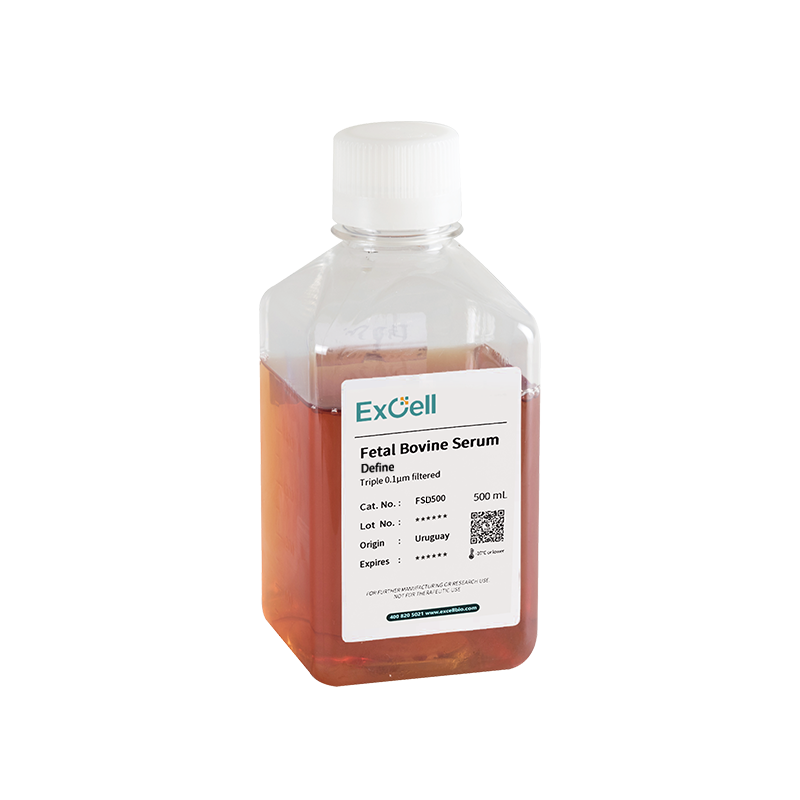
I still remember a damp Saturday in Cardiff in 2012 when a single mislabelled shipment stopped an entire cell line run; that day taught me to read paperwork like a sailor reads tides. Early in that morning I ordered ncs serum for a university lab, and by the second sentence of the invoice the phrase fetal bovine serum sat like a promise — and then a problem, when the lot failed my mycoplasma testing. I have over 15 years in B2B supply chain work, moving lab reagents from dock to incubator, and I speak plainly: lot-to-lot variability and improper cold chain handling cost real experiments, time and money. I recall swapping a GMP-grade vial (lot 47A3, January 2016) at a contract lab in Bristol and seeing yields drop by 12% on one run; that sting stuck with me. This is about more than price. It is about cryopreservation outcomes, reagent traceability and the small unseen slips that unravel weeks of culture work — and I will guide you through what to watch next.
What breaks first?
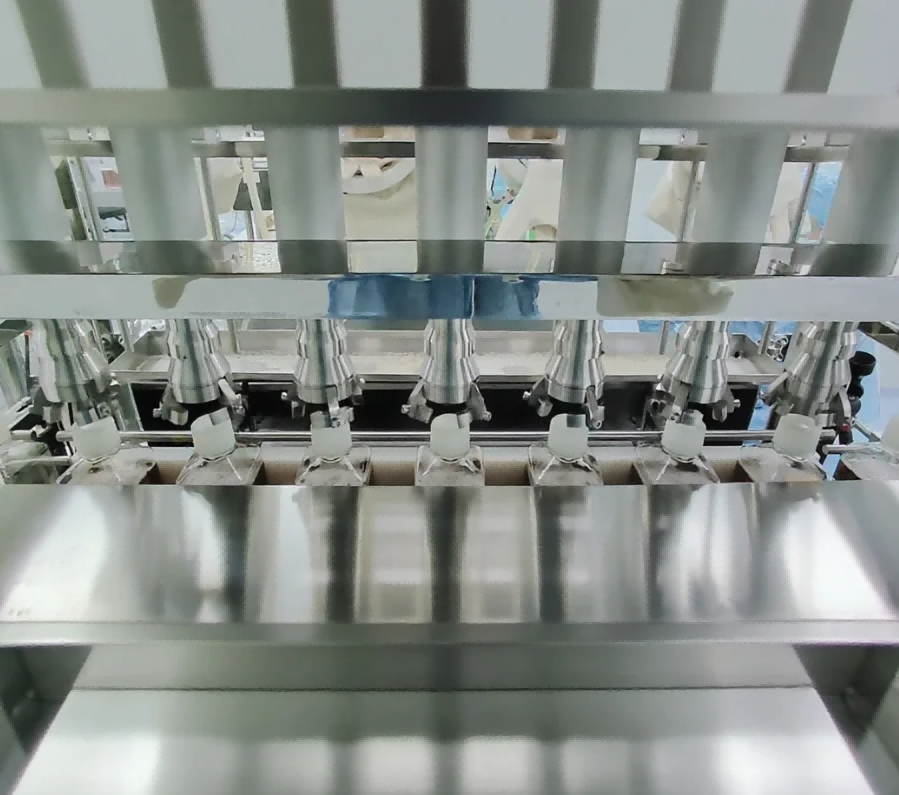
Label errors and hidden contaminants top the list. Heat-inactivation done at odd temperatures, delays in cold chain, or a missed certificate of analysis can render even premium fetal bovine serum unusable. I prefer simple checks: verify COA timestamps, insist on mycoplasma testing records, and confirm cold-storage logs. Small steps, big difference — and that leads us to a clearer comparison below.
Comparative Look: Traditional Fixes vs. Practical Procurement (Technical Lens)
Technically speaking, traditional spot-fixes fail because they treat symptoms. When a shipment arrives warm, labs scramble with an emergency incubator run or a serum-free media patch — temporary, messy, often costly. Instead, break the supply chain into modules: supplier qualification, lot screening, transport validation, and on-site verification. I lay these out because I’ve seen the contrast: one collaborator in Manchester switched to routine lot pre-screening in 2018 and cut downstream assay failures by nearly half. That move involved routine bovine serum albumin (BSA) checks, formalized mycoplasma testing, and a vendor who documented cold-chain checkpoints. It sounds procedural — but it is practical.
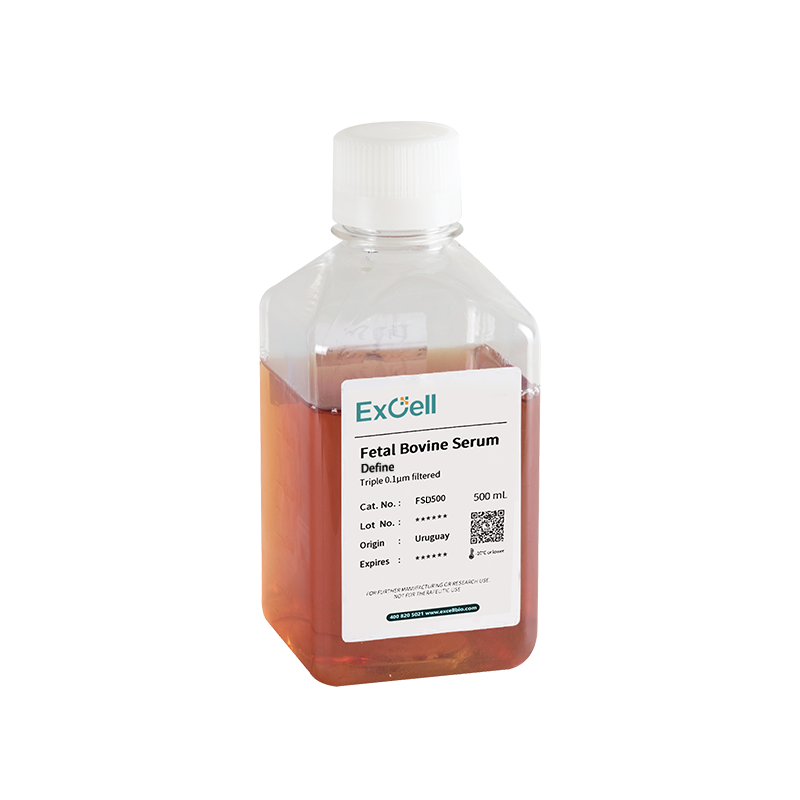
Compare suppliers not on price alone but on measurable practices: do they offer GMP-grade documentation? Can they demonstrate batch traceability to slaughterhouse dates and collection windows? Can they supply validated cold-chain manifests? Ask for retention samples, and insist on cryopreservation recommendations per lot. I say this because the cost of a failed culture run is not theoretical — I’ve logged specific losses: a £4,500 experiment set delayed two weeks because serum came thawed. — strange, but very real.
What’s Next?
Moving forward, think predictive rather than reactive. Use routine lot-to-lot benchmarking, set acceptance criteria for growth curves, and consider small-scale pilot tests (48–72 hours) before scaling. Implement mycoplasma testing routines and maintain an accessible COA archive. I favour partners who offer transparent COAs and retain samples for 12 months; we moved to that standard in 2019 after a string of recalls. The future here is less about novel chemistry and more about disciplined logistics and simple verification steps — that shift is manageable. — note the emphasis on discipline.
Closing: Practical Metrics to Choose Your ncs serum Supplier
To conclude with actionable guidance: choose by three clear metrics. First, traceability score — can they tie each vial to collection date, lot number and storage history? Second, quality-validation rate — percentage of lots passing your in-house mycoplasma and potency checks on the first run. Third, cold-chain integrity — documented temperature logs and contingency plans for transit delays. I recommend measuring these quarterly and keeping a log; we did this in 2020 and cut emergency orders by 30%.
Make the choice for long-term reliability, not the cheapest box. If you want a pragmatic starting point, compare COA turnaround times, request retention samples, and set an acceptance panel for one cell line you care about most. I speak from repeated fieldwork and direct buys across labs in Wales and the West Midlands — specific, tested, and plain. For a supplier reference and to explore options further, consider ncs serum offerings and their documentation. In the end, we protect experiments by choosing partners who respect the cold chain and the science — and by keeping simple checks in place. Thank you for reading; I stand by these practices and by the team at ExCellBio.