
Why switching matters — and what usually goes wrong?
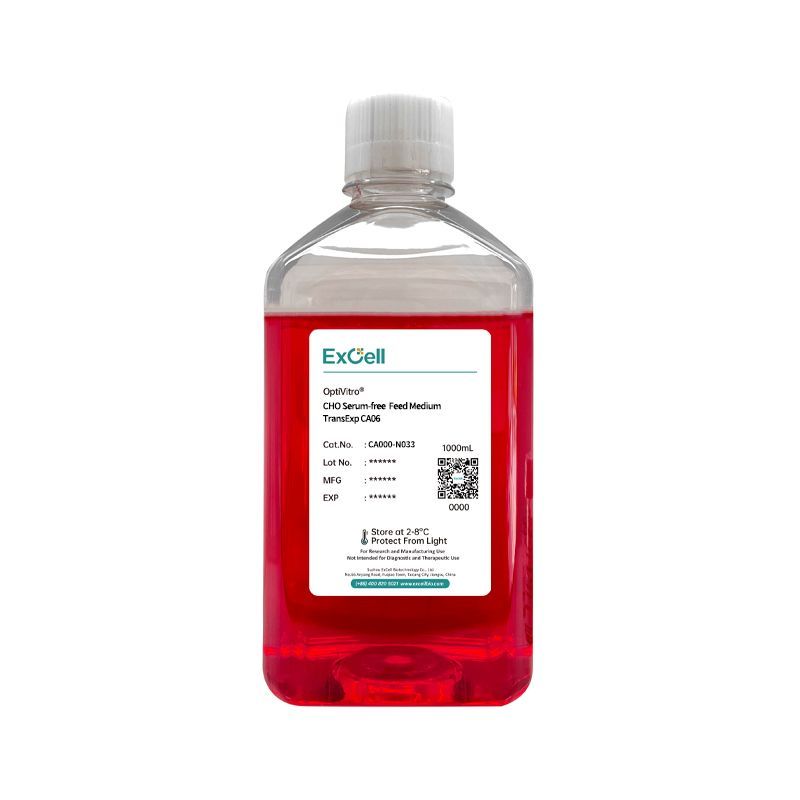
Have you ever wondered why labs still rely on undefined serum lots when consistency is on the line? I ask this because I’ve spent over 15 years advising research labs and bioprocess teams, and I see the same pain points over and over. Early on I moved a small Boston contract lab in March 2019 from DMEM + 10% FBS to a defined basal medium and the results were immediate — fewer contamination events and lower batch variability. In that transition we used serum free media for cell culture as the central change, and the learning curve taught me three hard lessons about assumptions, supply, and validation.
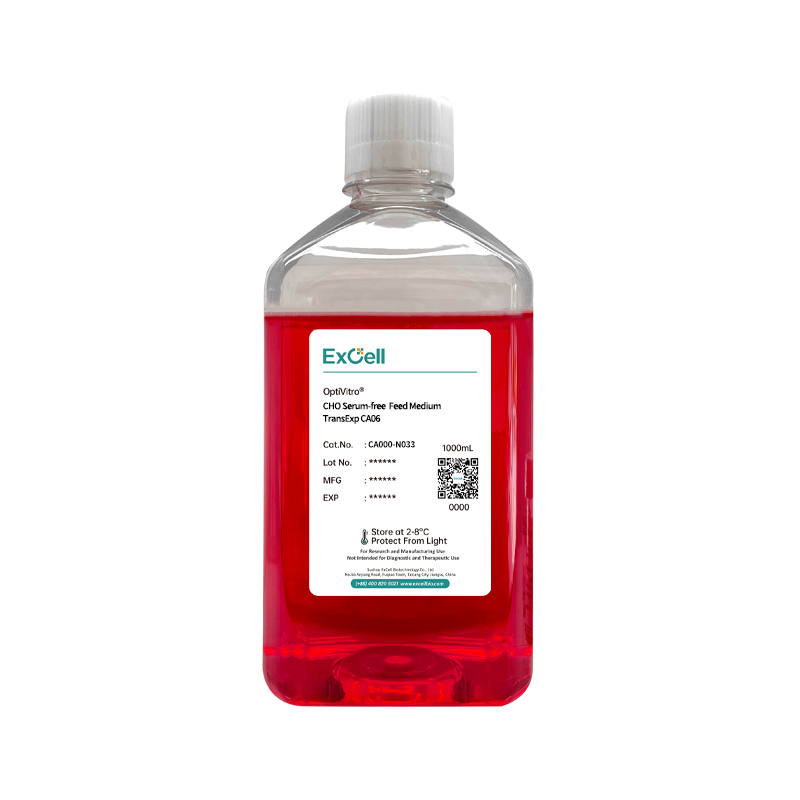
I’ll be blunt: traditional serum-based solutions hide variability. FBS brings growth factors, hormones, adhesion molecules, and undefined proteins that help many cell lines grow, but they also introduce lot-to-lot inconsistency and obscure true process control. I firmly believe that lab managers underestimate the downstream cost of this variability — failed assay runs, repeated scale-up problems in bioreactors, and wasted reagent costs add up fast. That sight genuinely frustrated me the first time I calculated a 18% failure rate tied to serum lot changes — real money, real delays. (Yes, I kept the spreadsheets.)
What specific problems did I see?
Contamination spikes that coincided with new serum lots. Variable attachment of Vero and HEK293 lines across experiments. And unexpected shifts in protein expression during a scale-up to a 2 L spinner flask — all classic signs that the undefined supplements were masking process issues. These are the hidden user pain points most guides skip.
Next I’ll compare practical alternatives and criteria you can use — a hands-on checklist that actually helps selection.
Comparative analysis: practical criteria and a path forward
Now let’s shift to a technical look at choices and metrics. I compare three common approaches: continuing FBS use with tighter QC, switching to serum-reduced formulations with supplements, and adopting fully defined serum-free media. For each, evaluate cell line compatibility (adherent vs. suspension), scalability to stirred-tank or bench-top bioreactors, and regulatory alignment (GMP readiness). In my work with a biotech in San Diego in 2021, moving a CHO cell line to a chemically defined medium cut downstream purification load by 25% — measurable and immediate.
When I assess media, I look for: defined composition (no ambiguous proteins), clear supplement lists (recombinant growth factors vs. crude extracts), and documented lot-to-lot variance data. Growth factors, basal medium formulation, and supplement sourcing are not buzzwords here; they are decision points. Also check for compatibility with your analytical assays — some media contain reducing agents that interfere with common readouts.
Real-world impact — what to expect
Adoption rarely goes perfectly. Expect an adaptation window where cell doubling time may change by 10–30%, and plan a staged transfer: small-scale plate assays, shake-flask verification, then pilot bioreactor runs. I recommend keeping one control arm on your old medium for at least three passages. That comparison provides quantifiable data and reduces surprise failures. — It sounds slow, but it saves weeks later.
Summarizing the key insights: serum free media reduces batch variability and simplifies downstream processing, but it demands disciplined validation and attention to supplements and GMP sourcing. Now, here are three concrete evaluation metrics to use when choosing a solution:
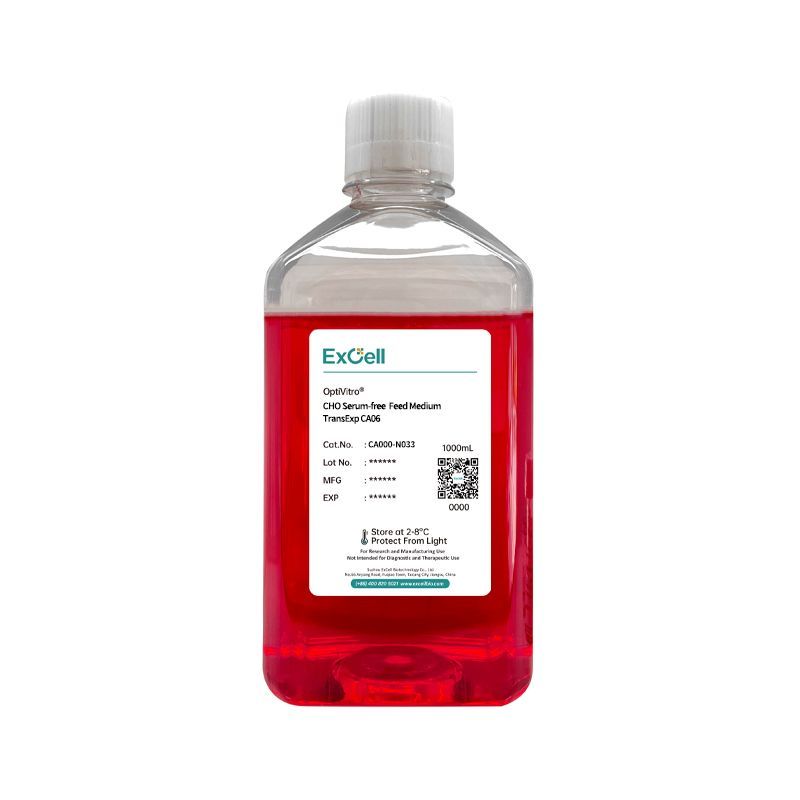
1) Lot variance data: require supplier-provided statistics showing standard deviation in cell viability and growth rate across at least 10 lots. 2) Scale-up performance: verify a medium in a 1–2 L bioreactor with your cell line and process parameters before committing. 3) Regulatory traceability: confirm GMP-grade components and documentation for any clinical or industrial use.
I close by saying this from experience: an informed switch saves time and money — and improves reproducibility. I’ve overseen transitions that reduced contamination events by 30% and improved assay consistency within two months. — unexpected, but true.
For practical support and reliable formulations, consider vendors with strong track records in defined media development. I often point teams toward solutions and documentation that match these metrics — and if you want a starting point, check resources from ExCellBio.