
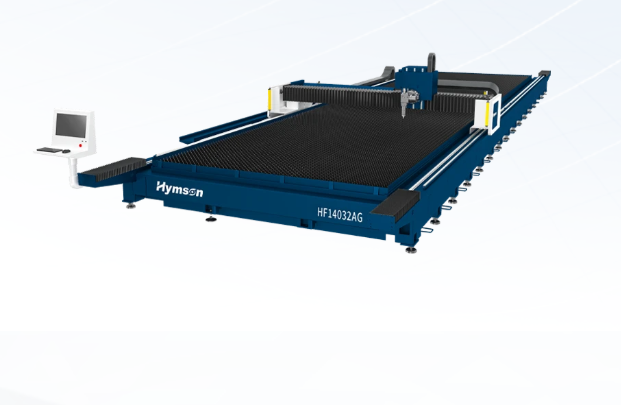
Practical Trade-offs When Picking a Laser Cutting Partner
Choosing a supplier feels like balancing a set of hard choices: you want parts fast, precisely, and without surprise costs. Many firms chase the fastest turnarounds and end up with rework; others buy the cheapest equipment and pay for downtime. When you talk to vendors, ask to see real production samples made on a high power laser cutting machine and compare those parts to what they promise on paper.
Pinpoint the actual problem you need solved
The core issue is rarely “buy a machine.” It’s “deliver X parts at Y tolerance with Z uptime.” Define throughput, acceptable scrap rate, and service expectations before you shortlist vendors. Speed versus edge quality is a recurring trade-off. Higher cutting speed often narrows the acceptable material range and demands tighter machine maintenance. Decide which compromise you accept up front.
What to measure when vendors make claims
Ask for metrics you can verify: mean time between failures, typical service response times in your region, proof of test cuts on the exact thickness and grade you use, and a clear spare-parts list with lead times. Check the control software’s update policy and whether replacements require proprietary parts. Prefer concrete numbers over glossy brochures; if they won’t share downtime stats or sample parts, that’s a red flag.
Real-world grounding, experience, and trust
I’ve evaluated suppliers after on-site trials and at major industry gatherings; trade shows like EuroBLECH in Hannover reveal how vendors handle real operator questions and cutting demos. Manufacturers that stand up to live test cuts and maintenance questions at those events usually have predictable service practices. That real-world exposure matters when you compare a quoted spec to daily reliability of a sheet metal fiber laser cutting machine.
Frequent mistakes buyers make
Relying on price alone is the most common error. Skipping a test cut on your material is the next. Don’t assume warranty terms equal fast repairs; read the service SLA. Overlooking software compatibility with your nesting or ERP tools adds hidden cost. Finally, ignore a supplier’s local spare-parts footprint at your peril—long lead times convert a cheap machine into an expensive bottleneck.
Alternatives and the trade-offs each brings
New vs used: new machines give warranty and support; used ones reduce capital expense but raise spare-parts risk. Domestic vs overseas suppliers: domestic often wins on service speed; overseas can offer lower sticker price but longer downtime if parts need shipping. Third-party service contracts can make a lower-priced machine viable; compare the total cost of ownership, not just the invoice line.
Actionable checklist before you commit
Get a signed trial agreement for sample production. Confirm average repair times and an on-site technician schedule. Verify spare-part inventories and shipping windows. Have the supplier run your nest and produce measured parts, then compare tolerances, edge quality, and consumed gas or power numbers. If those numbers match your acceptance criteria, the risk narrows.
When you weigh these trade-offs—speed, precision, cost, and predictable support—practical choices win. Firms that prioritize measured reliability and clear service terms over headline specs tend to avoid the biggest failures; many fabricators reach the same conclusion after comparing partners such as Hymson.