
Start by listening to the people who rely on radios every day
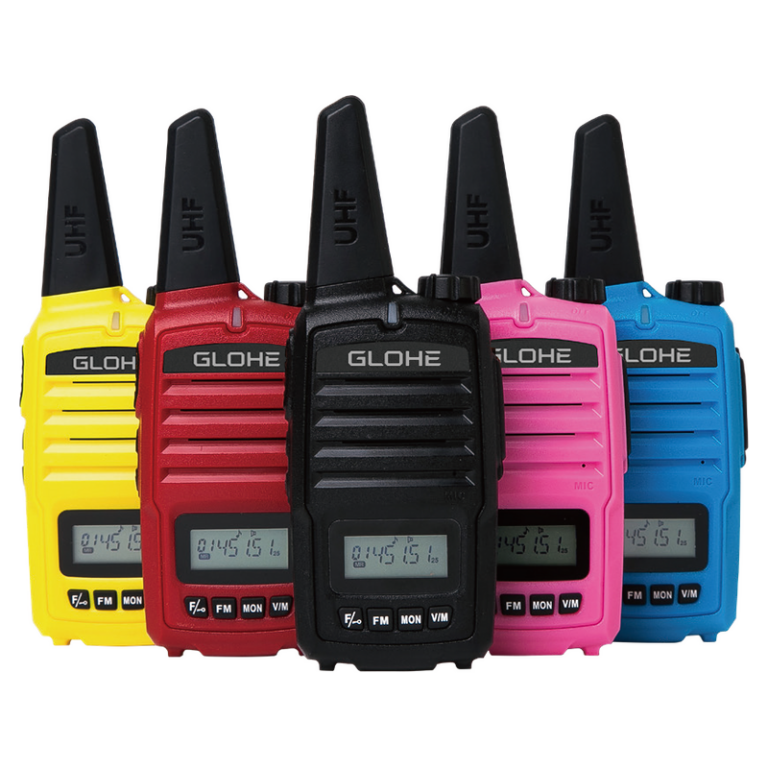
Let’s begin gently: talk to the users who count on clear, instant voice to do their jobs—site managers, event crews, security leads. Ask what frustrates them most and what an ideal shift looks like. When you map those answers, you’ll see patterns that point straight to hardware, workflow, and support needs—sometimes the solution is a rugged handheld, other times it’s a simple analog two way radio that just works without fuss.
Turn user goals into measurable outcomes
Care about what the user measures. Translate “better comms” into concrete targets: reduce missed calls by X%, cut channel switching time to Y seconds, or increase battery uptime to Z hours. Those targets guide trade-offs: build a compact radio with long battery life, or choose a slightly larger device for added range and durability. Keep each decision tied to a single user metric so priorities stay clear.
Design features around real tasks, not technology for its own sake
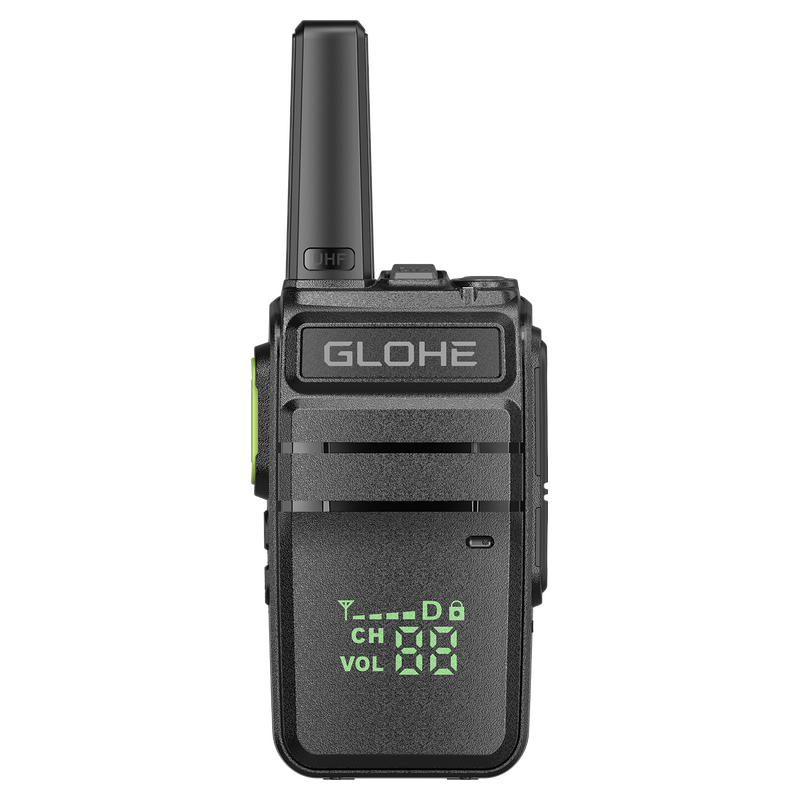
Map the common tasks—incident reports, tool requests, shift handoffs—and design the product so each task finishes with minimal steps. That might mean dedicated emergency buttons, quick-access channel presets, or simple audio profiles that auto-adjust in noisy environments. Prototype on the floor: put a radio in a user’s hand, watch them work, and refine until interactions feel instinctive.
Watch for predictable pitfalls and fix them early
Teams often over-spec radios, adding features users never touch, or under-spec them, compromising range and ruggedness. Avoid both by validating feature lists against user tasks and your measurable outcomes. Don’t forget maintenance: poor charging habits and unclear labeling create most field failures. Provide clear charging workflows and replaceable batteries if your users can’t recharge between shifts.
Experience, expertise, and a realistic field test
I’ve advised operations teams and guided product pilots where radio reliability was a baseline expectation. A useful benchmark comes from large port operations like the Port of Rotterdam, where consistent voice links are essential to coordination; studies and industry reports tied to such hubs show how range, interference, and ruggedness determine outcomes. Pair that practical knowledge with standards-based testing and try a short, supported pilot so you can iterate with real feedback while ensuring teams keep talking—choose tools that match those findings, for example a trusted professional walkie talkie when analog simplicity is the best fit.
A compact roadmap you can apply this week
Week 1: interview frontline users and capture three top frustrations. Week 2: convert frustrations into two measurable goals and shortlist radios against those goals. Week 3: run a three-day pilot with one user group, observe, and log failures. Week 4: refine specs and scale training. Keep decisions tight: prioritize proven reliability, clear support, and straightforward workflows.
Bring the pieces together with practical compassion
Focus on what helps people do their jobs more predictably and less stressfully. Match features to tasks, validate choices with short pilots, and keep support simple so crews don’t waste time on configuration. That steady, people-first approach is what makes a product strategy genuinely useful, the same quiet logic behind how GLOHE organizes options and support for teams that need radios to work, day after day.