

How to assess the scope of Single Gas Detector before comparing models: application scope early research
For procurement teams, the phrase single gas detector should describe a defined application rather than a short product category. Early research is more useful when the team first records where the instrument may be used, what decision it must support, and which requirements remain unresolved. This prevents a comparison table from treating every listed specification as relevant to every operating context.
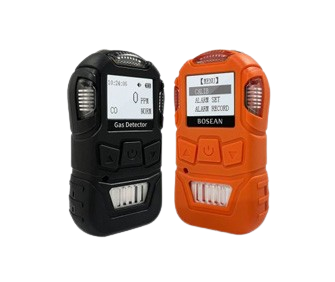
Define the use case and constraints
Begin with the job to be done. The requirement may concern routine monitoring, an inspection task, an operational area, or another narrowly defined use. At this stage, avoid turning a general need for gas detection into an assumed equipment specification. The team should describe the intended setting in practical terms, including the people who may use the device, the conditions that could affect use, and the information the buyer needs before selection.
A short scope statement can provide a useful starting point:
- Identify the gas or gases that are relevant to the stated application.
- Record whether the need is for a portable instrument, a fixed installation, or a requirement that is not yet settled.
- Separate essential requirements from preferences that would be helpful but are not decisive.
- List any operating conditions that the supplier must address before a model can be compared fairly.
This exercise is not a substitute for technical or operational review. It is a way to keep the research question precise. A buyer can then assess whether a catalogue description addresses the actual application, rather than assuming that a broad product label establishes suitability.
Map stated evidence to requirements
Once the scope is written down, create a simple evidence map. Put each requirement in one column and the exact supporting page statement in another. A third column can record the status: supported by the available evidence, potentially relevant but unresolved, or outside the current comparison.
For example, the Bosean BH-90A page lists adjustable low and high alarm levels and visual, audible, and vibration alarms. That is useful catalogue evidence about the features described on that page. It does not, by itself, establish certification, suitability for a particular site, a safety outcome, or a configuration that the page does not list.
This distinction matters because product pages often combine feature descriptions with specification tables. A specification should be compared only when it applies to the requirement being assessed. If the procurement team needs information about response time or operating conditions, those items should be treated as separate fields in the review. Do not convert a general statement into a precise performance claim, and do not transfer a detail from one model to another.
Use a focused comparison rather than a longer one
A large comparison table can create the appearance of certainty without improving the decision. Limit the first table to requirements that affect the defined application. Useful headings might include gas target, alarm information, operating conditions, user interaction, documentation, and unresolved questions. The headings are a review framework, not claims that any particular product meets them.
In the middle of research, the term single gas detector should be tested against the scope statement again. If the intended application involves a specific gas target, compare only evidence that addresses that target. If the requirement concerns how an alarm is communicated, record the stated alarm modes without assuming that one mode is preferable in every environment. The purpose is to expose the relationship between the need and the evidence, not to reward the page with the longest feature list.
Turn open points into supplier questions
Unresolved points should become precise questions. This makes the next exchange more productive and preserves a clear record of what has, and has not, been established. Questions can be grouped by the requirement they address:
- Which gas target and alarm settings correspond to the proposed configuration?
- Which operating conditions are covered by the stated specifications?
- Which alarm indicators are included in the model under review?
- Which documents describe the configuration, limitations, and intended application?
- Which requirements in the buyer’s scope are not addressed by the current product information?
These questions should remain tied to the procurement scope. Avoid asking for broad assurances when a narrower technical clarification would produce more useful evidence. Similarly, do not record a supplier response as a verified product fact until it clearly identifies the relevant model and requirement.
Summarise a defensible next step
The outcome of early research need not be an immediate model ranking. A defensible next step may be a narrowed shortlist, a request for model-specific information, or a decision to refine the application scope first. The important point is to show how each conclusion follows from stated evidence.
A concise review record can therefore include the scope statement, the requirements that matter, the page evidence that maps to them, and the questions still open. For the BH-90A example, the catalogue information about adjustable alarm levels and visual, audible, and vibration alarms can be recorded as a product-page fact. Broader conclusions about certification, site suitability, safety outcomes, or unlisted configurations should not be added to that record.
Used this way, the Bosean catalogue becomes one input to a structured procurement review rather than a substitute for defining the application. Start with scope, compare only applicable evidence, and carry unresolved requirements into the next supplier discussion.